| Location | Provincial Road 50, Fubine Monferrato (AL), Italy |
|---|---|
| Application | Gardens and Landscape |
| Project | Fabrizio Masarin (GMP Studio) |
| Light planning | Marco Palandella (LDW Studio) |
| Photo | Alessio Tamborini |
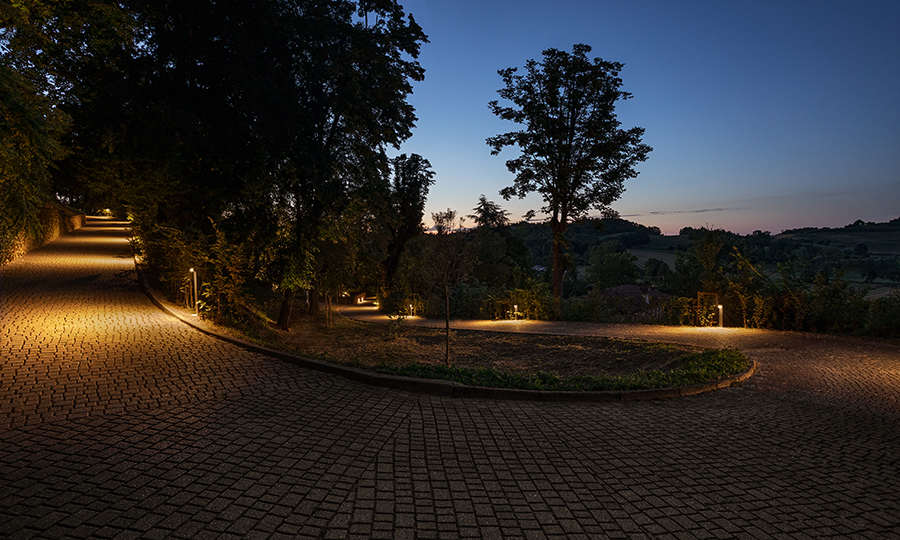
In the Parco Storico Bricherasio in Fubine Monferrato, the charm of history and the beauty of nature combine to create a unique experience. Established around Bricherasio Castle – a 17th-century stronghold built on the remains of a mediaeval fortress – the park has undergone significant transformations over the centuries: from the original woodland to the English landscape garden commissioned in the 19th century by Count Luigi Cacherano di Bricherasio, and, finally, to its recent restoration, which returns it to the community in all its botanical splendour. Today, it is home to over 28,000 plants – including centuries-old trees, shrubs, and perennial herbaceous and bulbous plants – and a large rose garden with more than 460 specimens, a legacy of Countess Sofia di Bricherasio.
The lighting design was developed by Marco Palandella (LDW Studio) in close collaboration with the designers of the overall project, coordinated by forestry expert and landscape architect Fabrizio Masarin of GMP Studio, with the valuable support of the Municipality of Fubine and its technical offices.
The resulting proposal, including the lighting, was reviewed and approved by the local Superintendency, which placed particular emphasis on safety, energy efficiency and the protection of the natural environment. It was decided to use elegant, restrained lighting, all in warm white tones (3000K), without colour effects, to respect the park’s historical character while enhancing its landscaping.
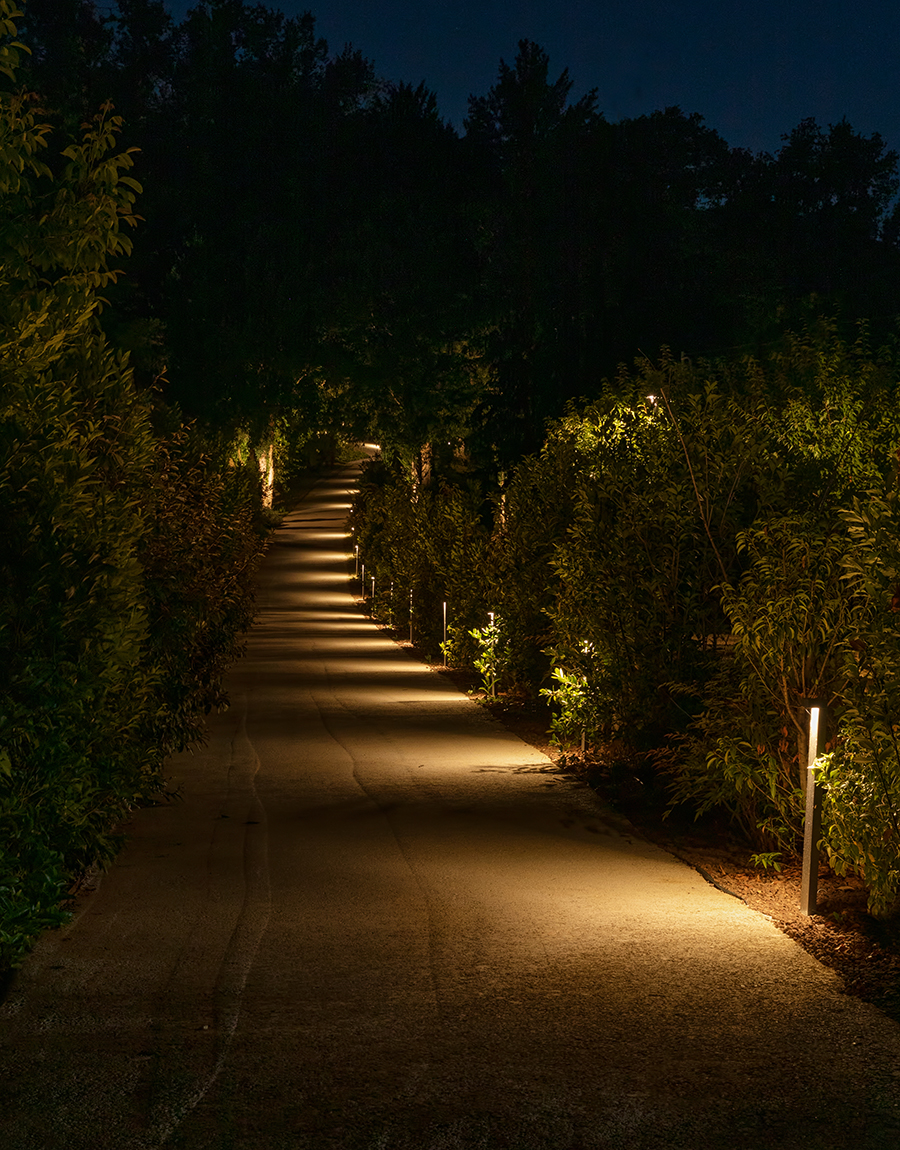
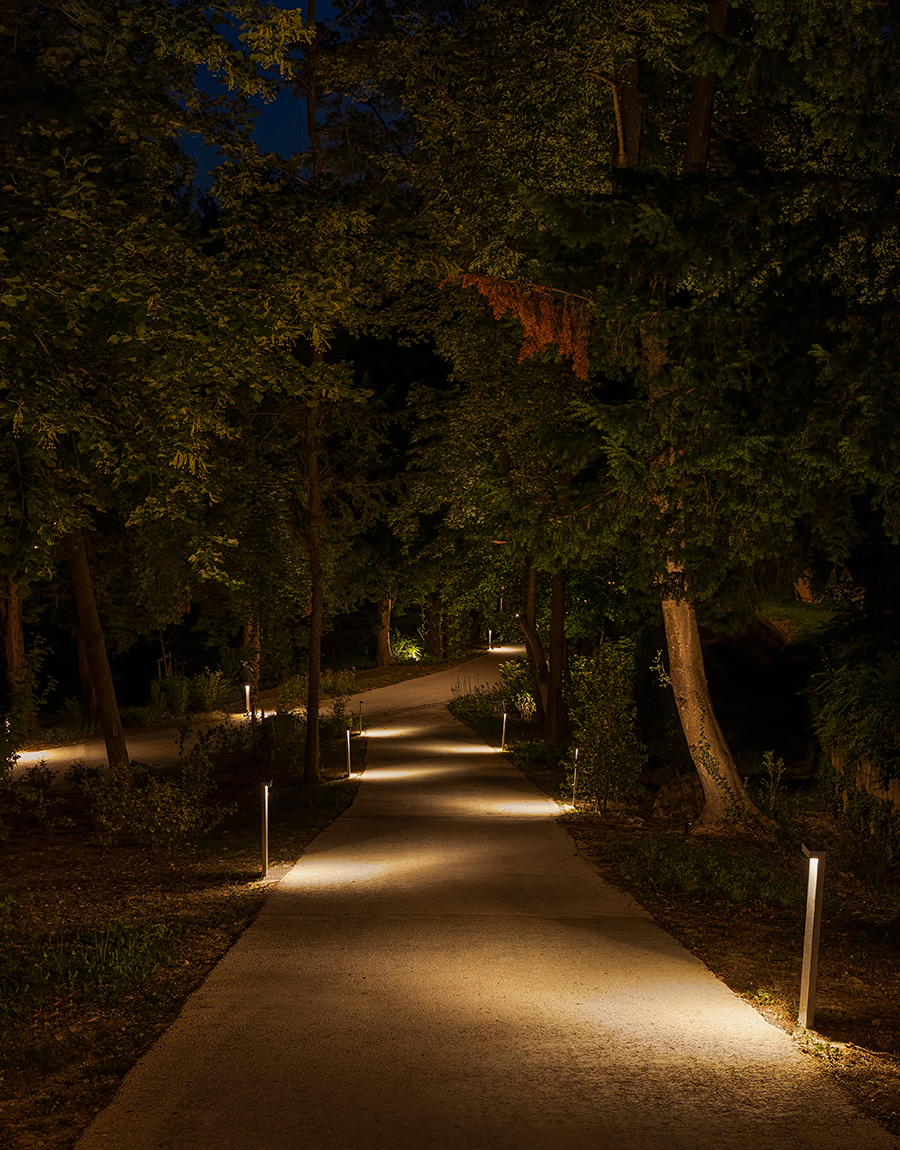
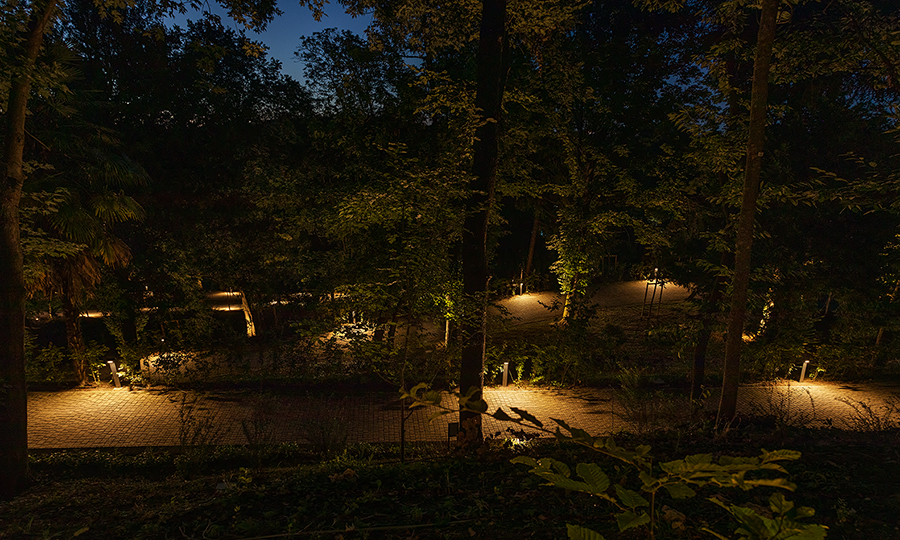
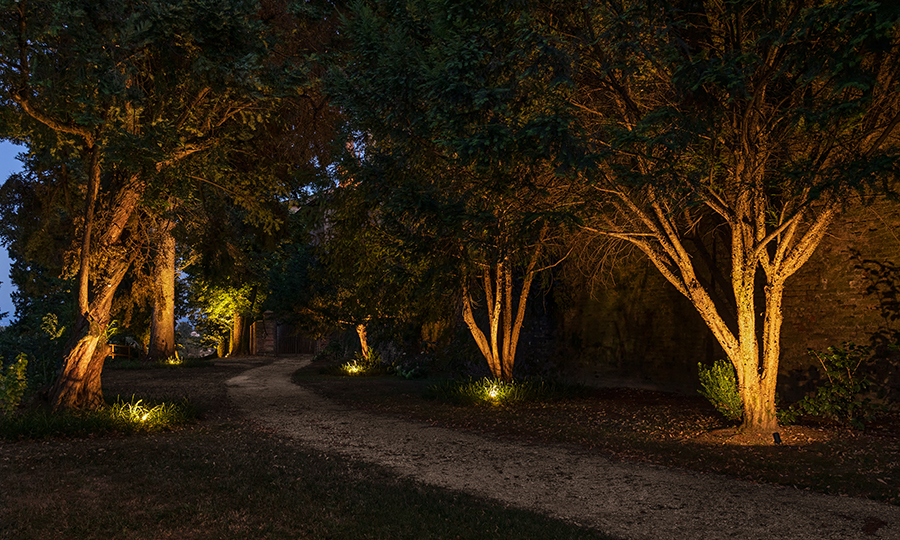
A visit by night thus becomes a gently unfolding journey that retraces the route once taken by Countess Bricherasio as she travelled by carriage through the park to the castle. Light guides the gaze from the pathways to the tree canopies and the architectural features, evoking the atmosphere of a bygone era.
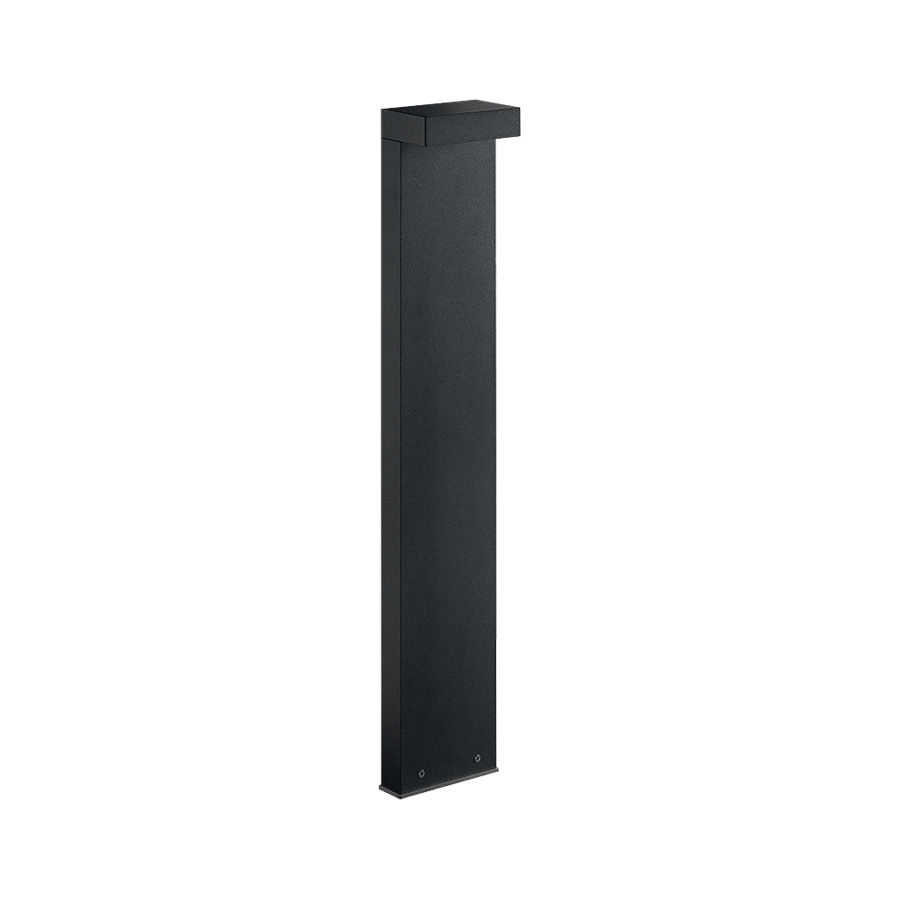
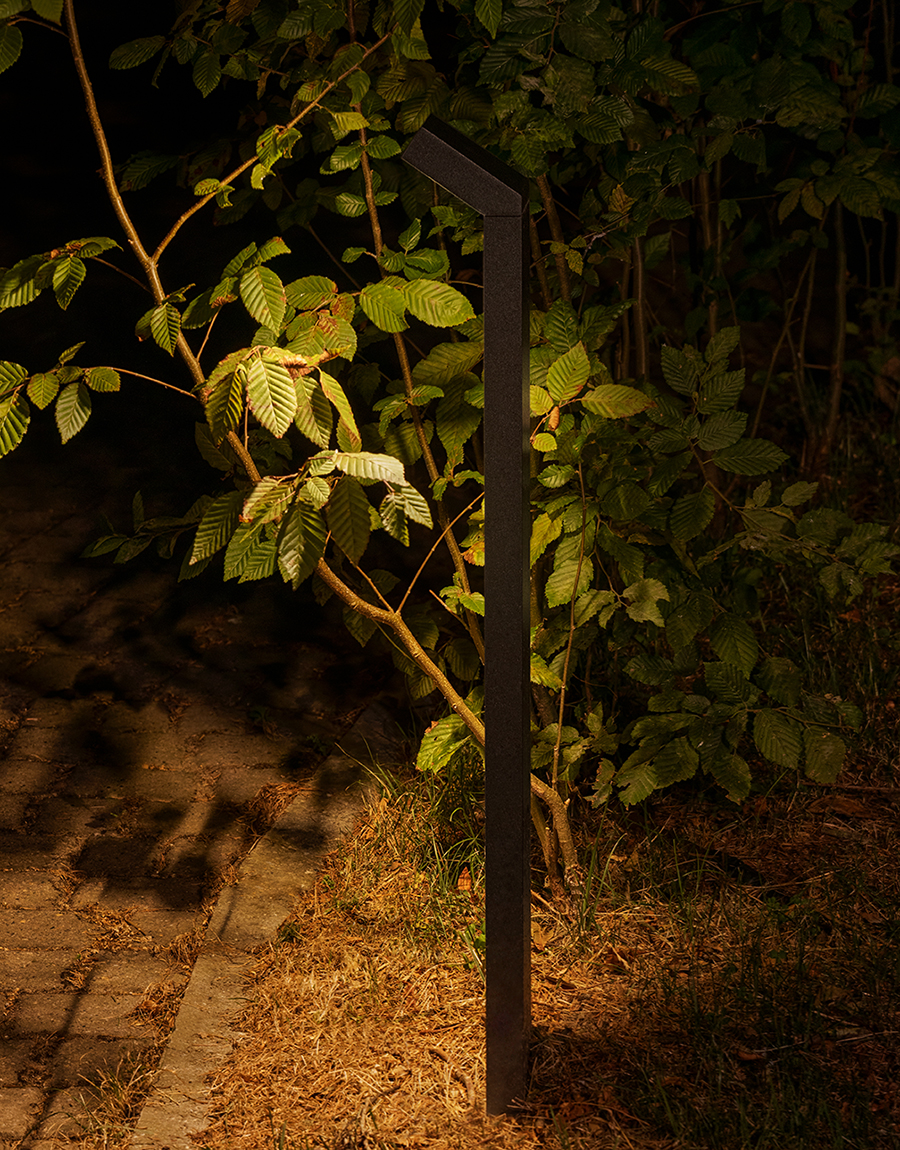
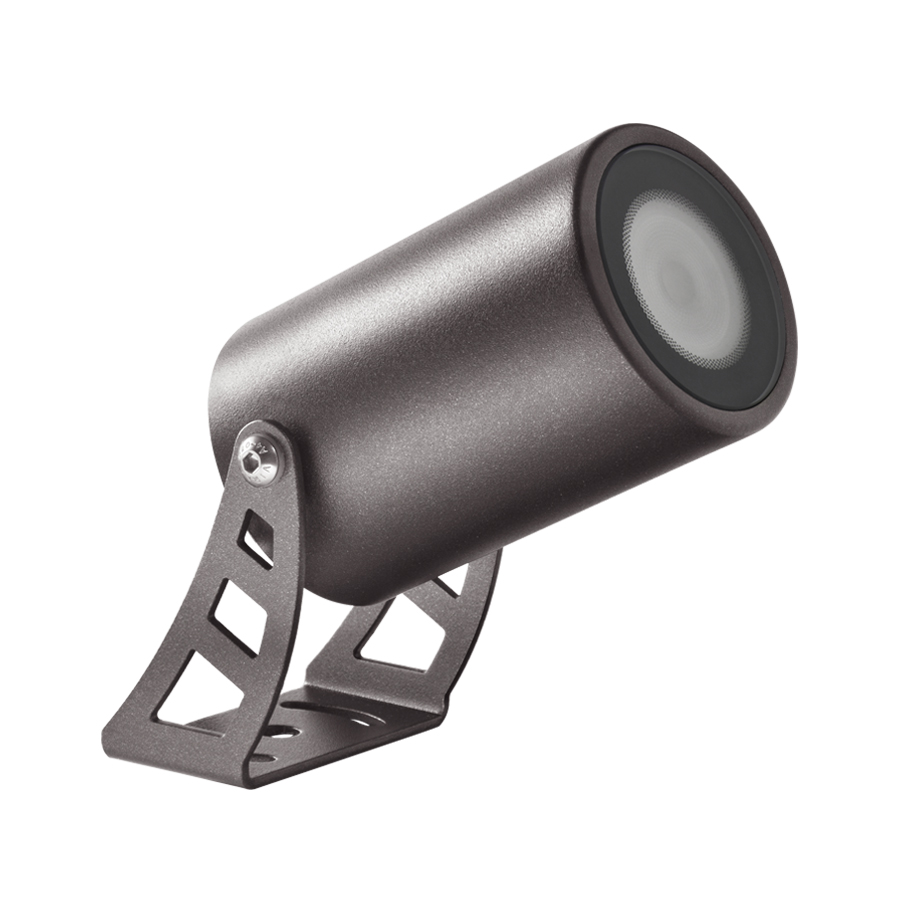
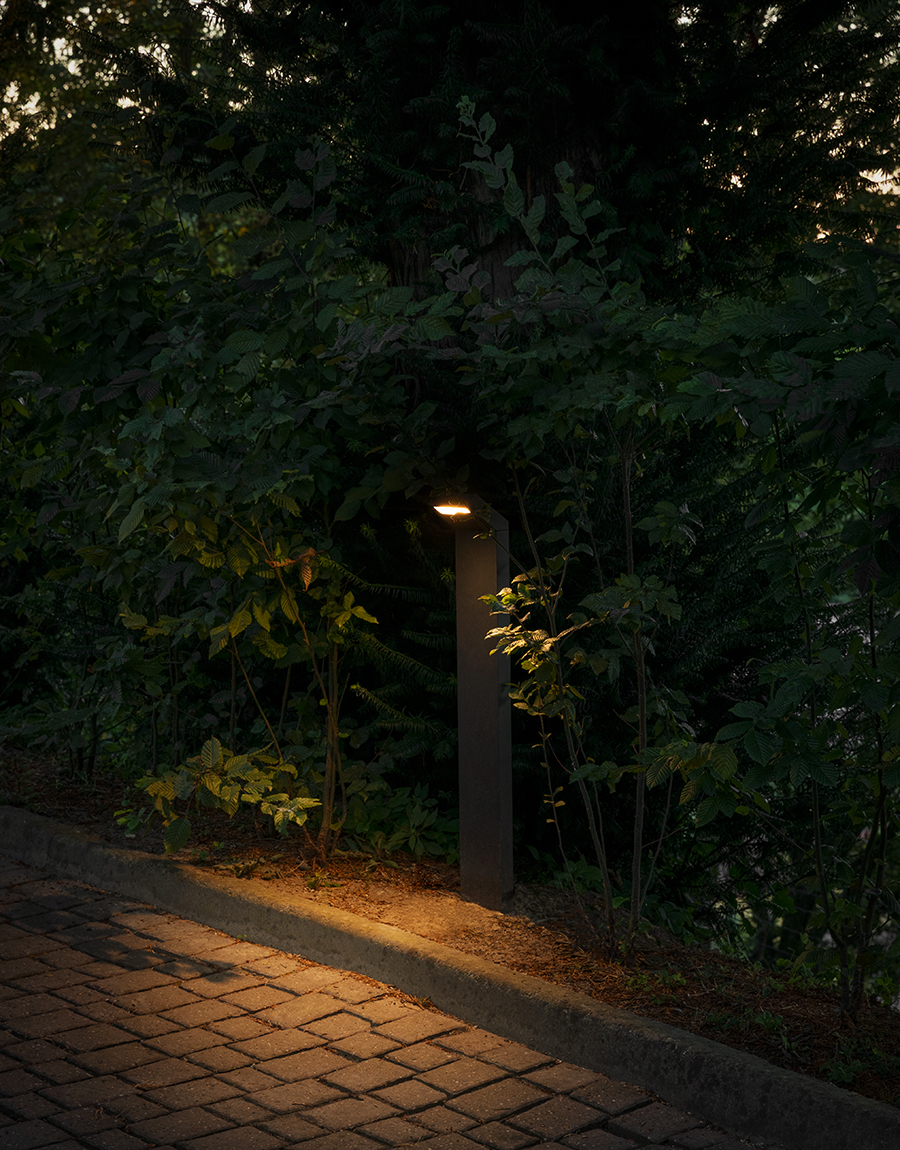
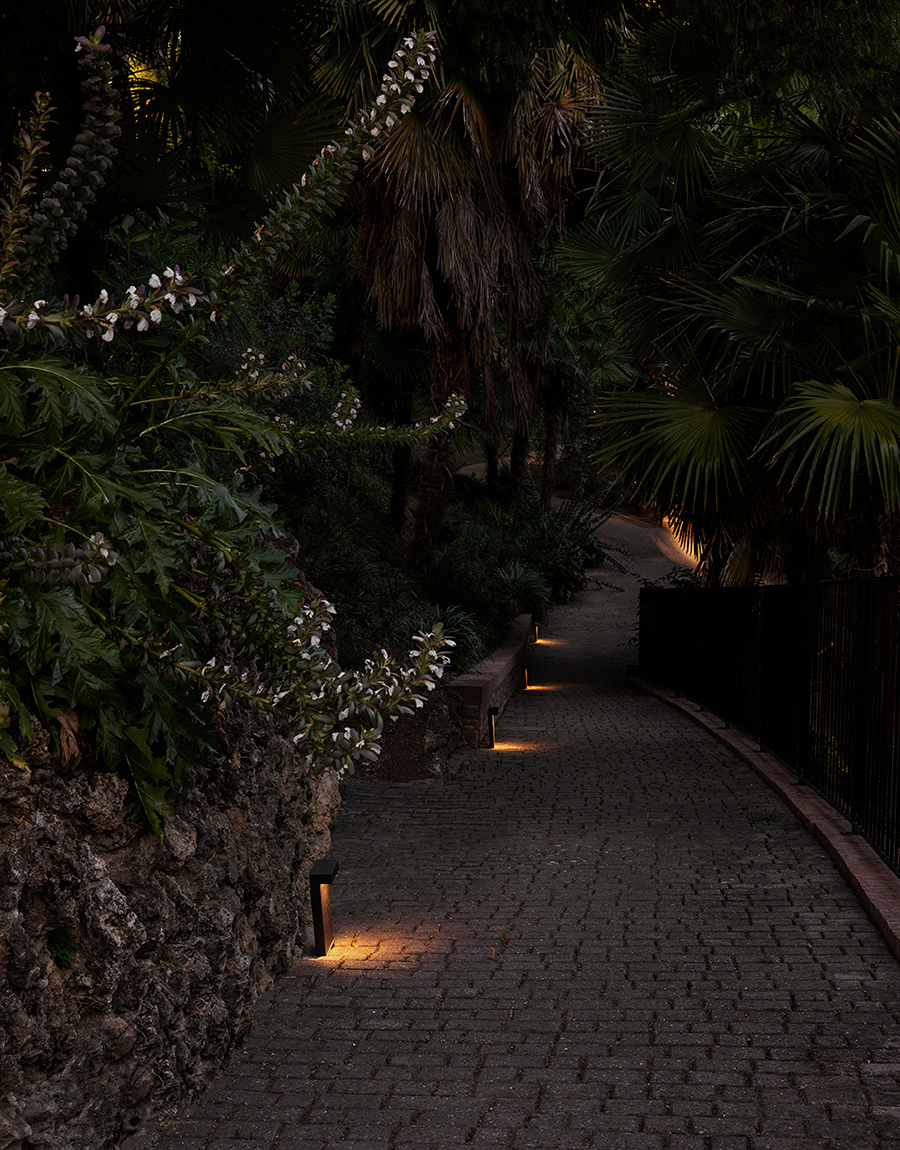
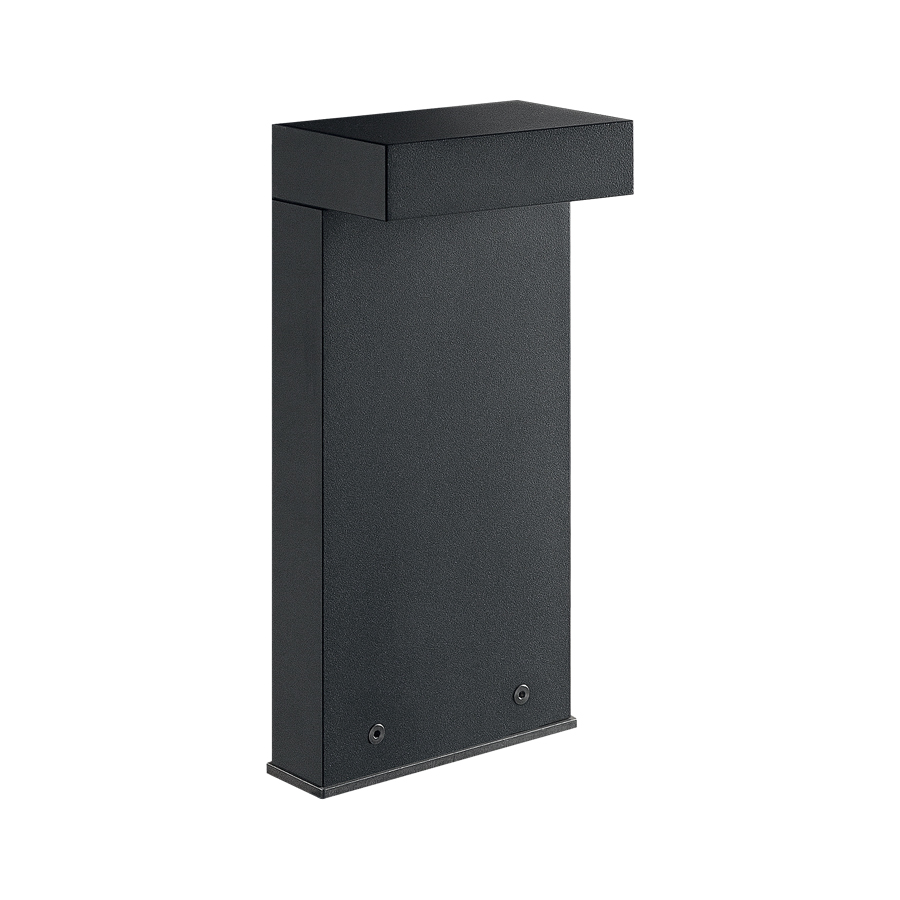
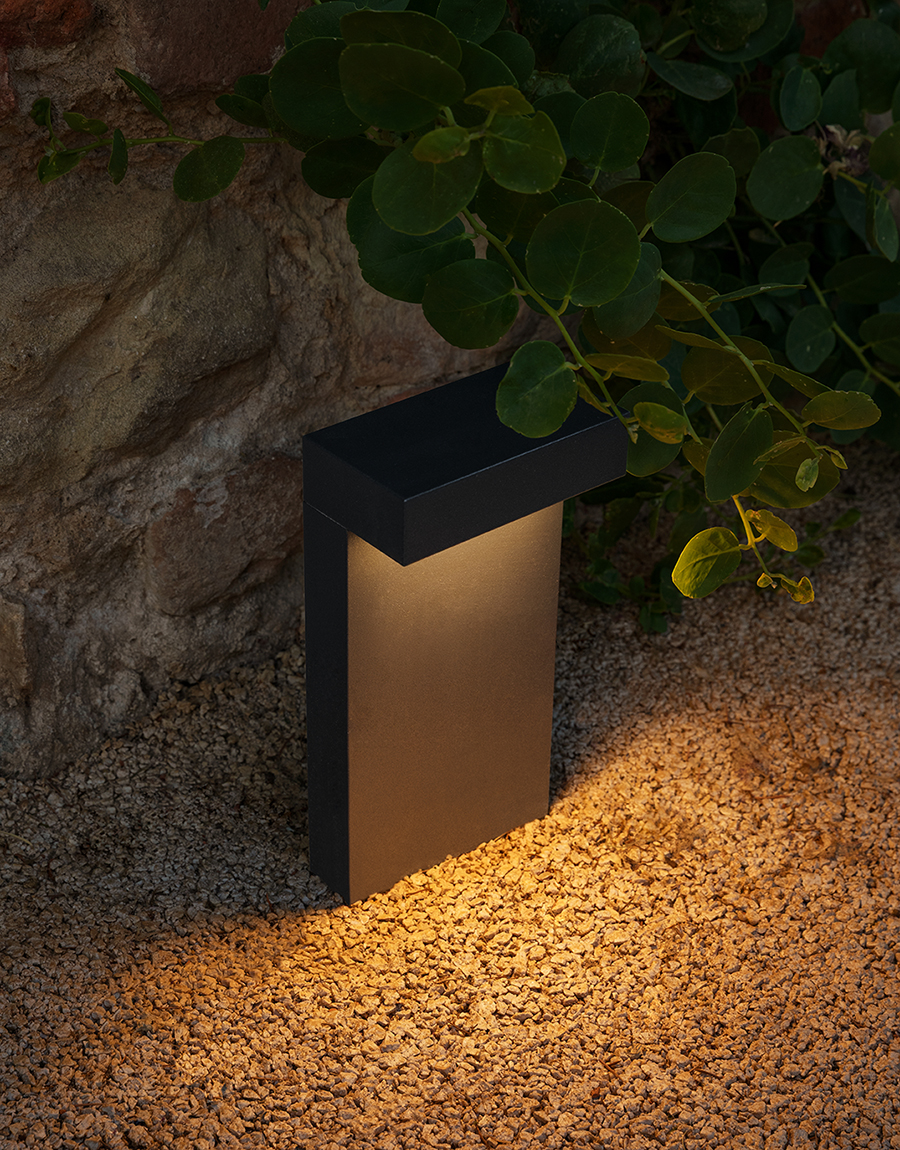
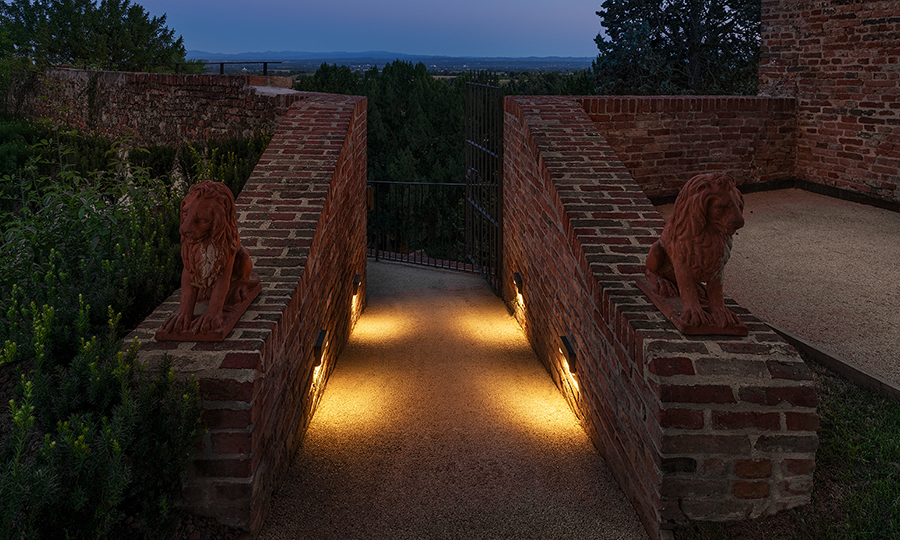
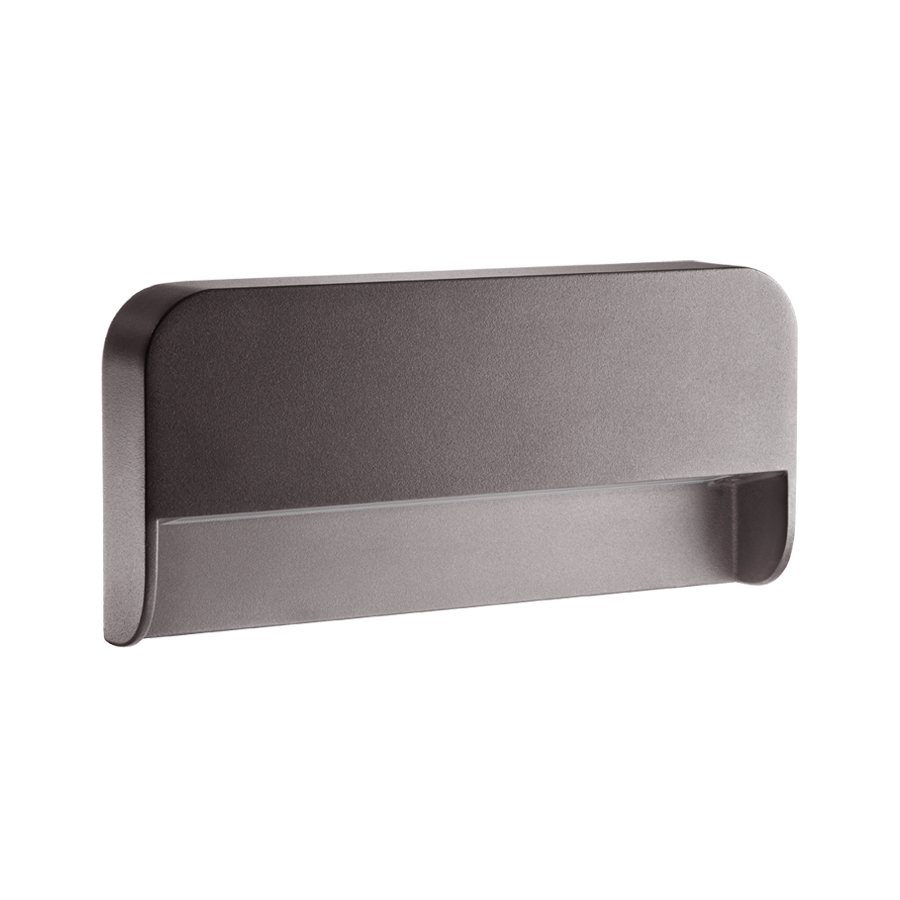
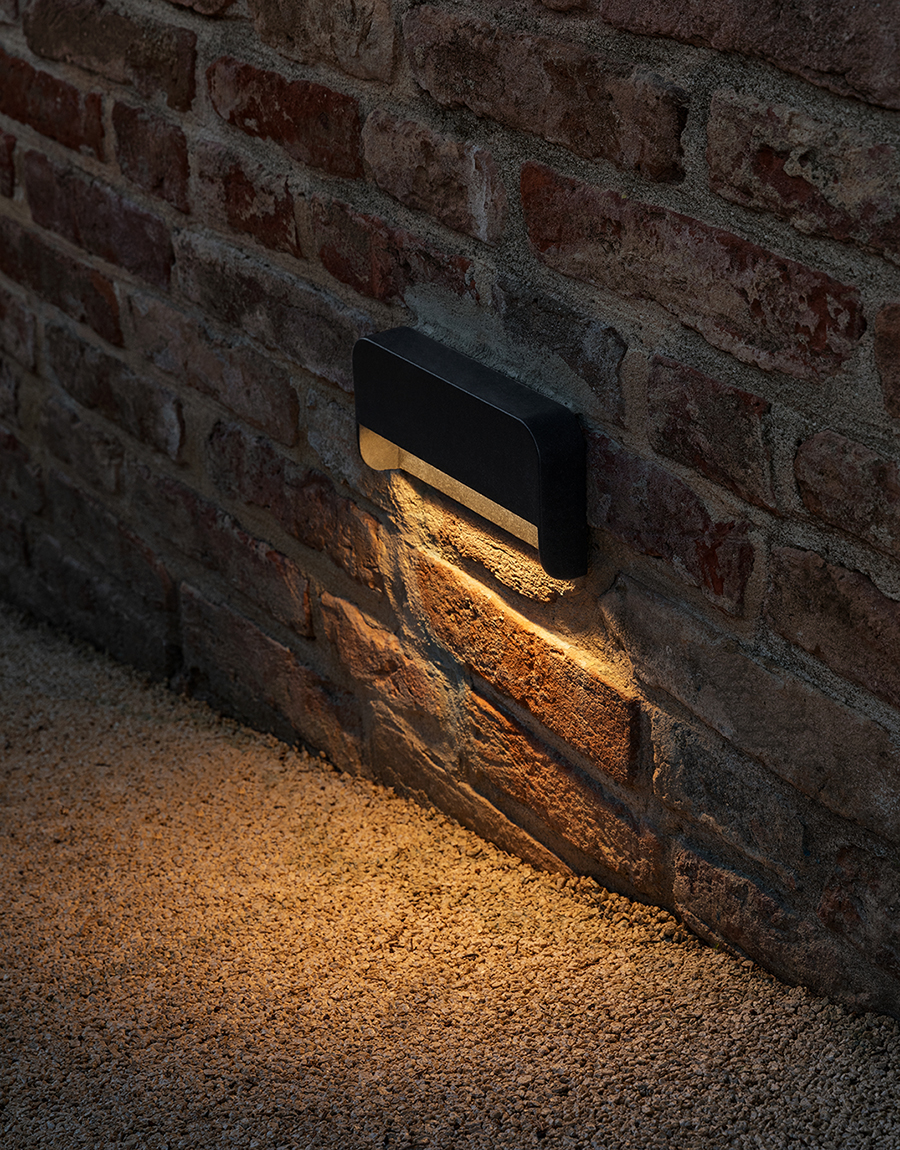
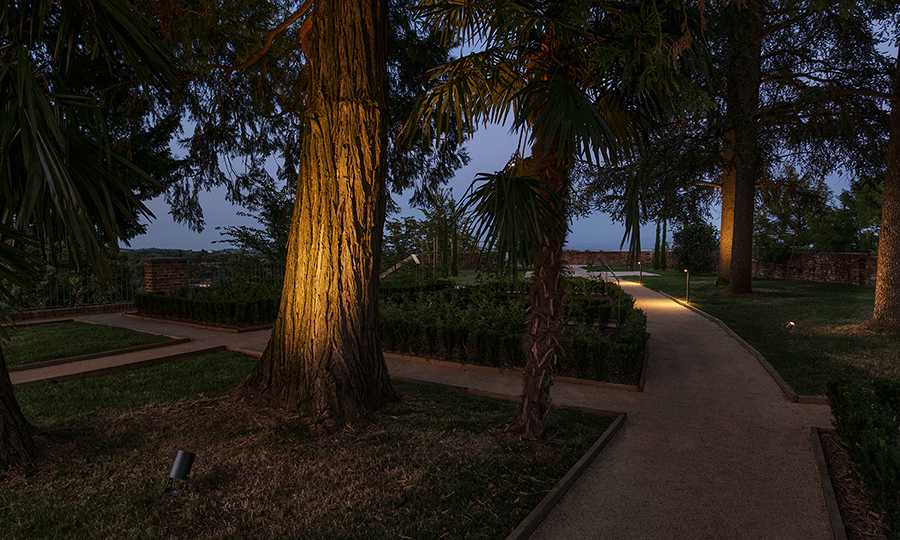
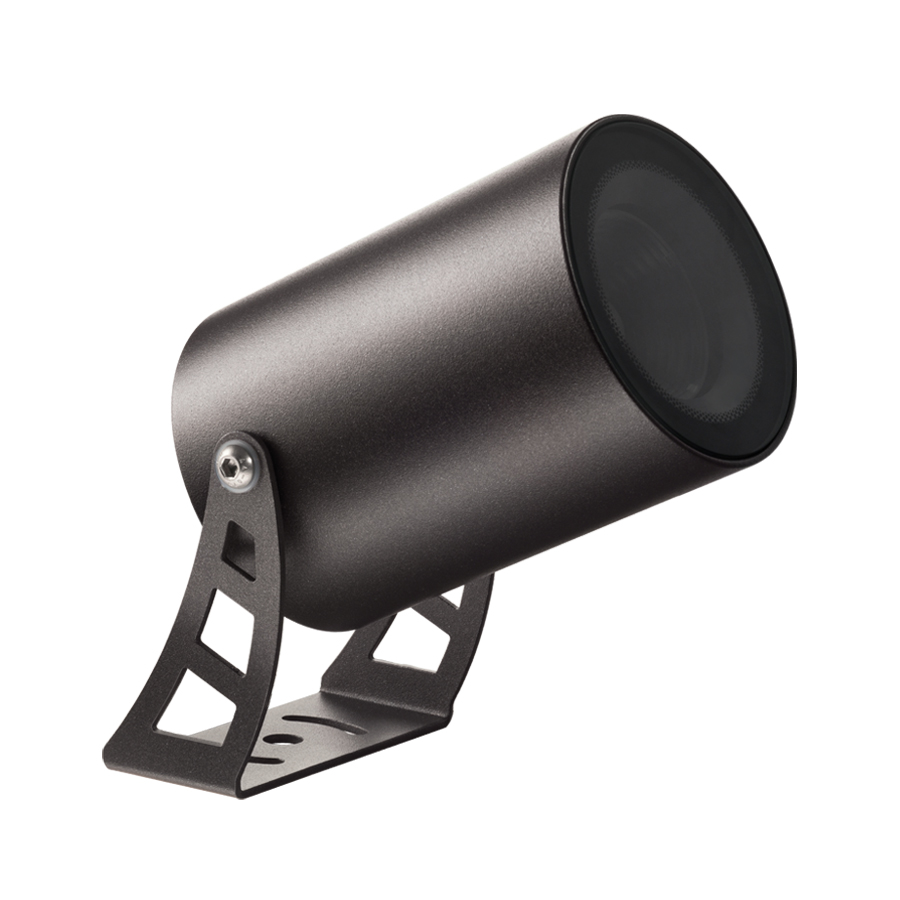
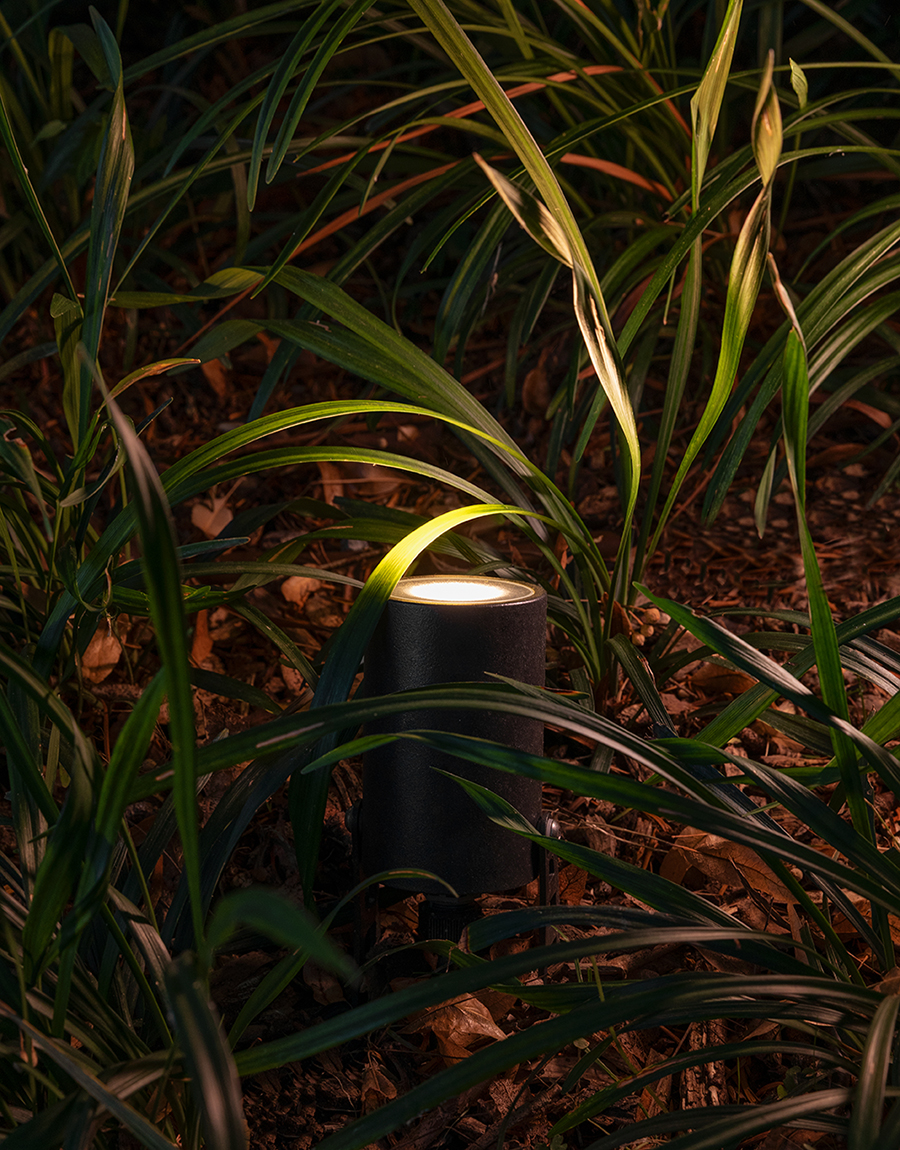
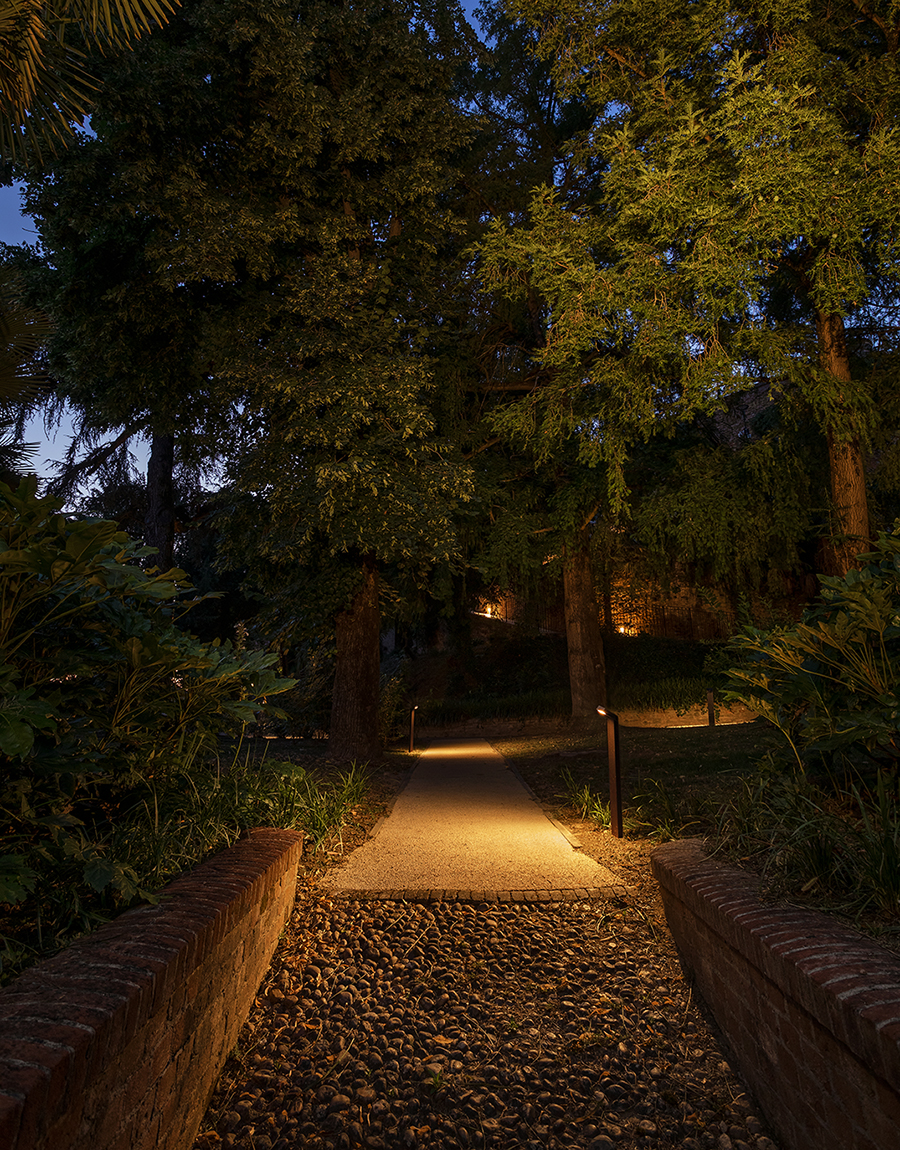
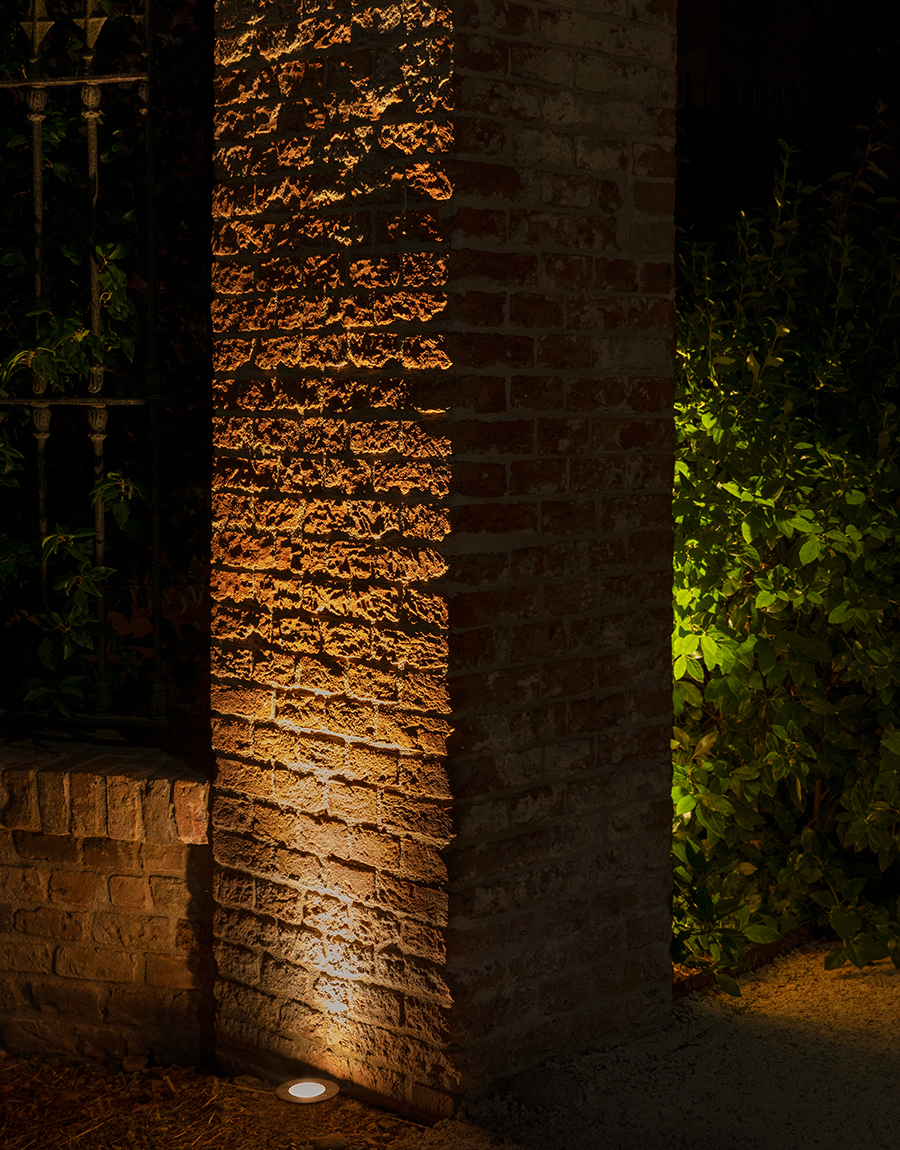
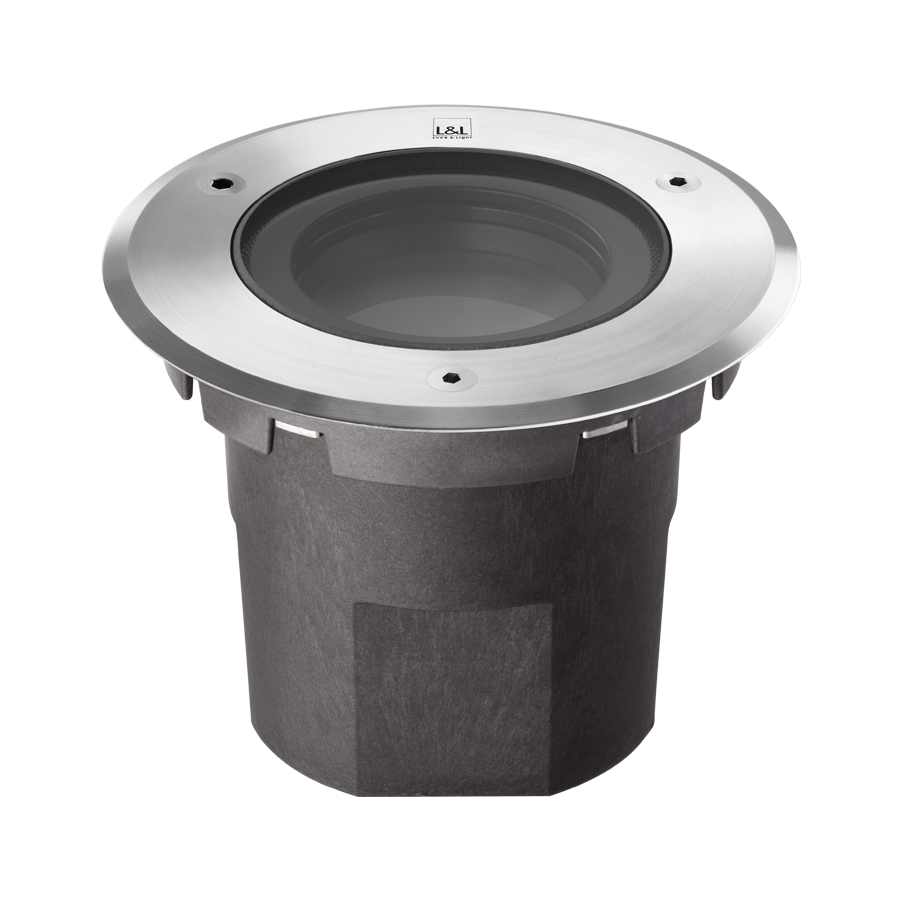
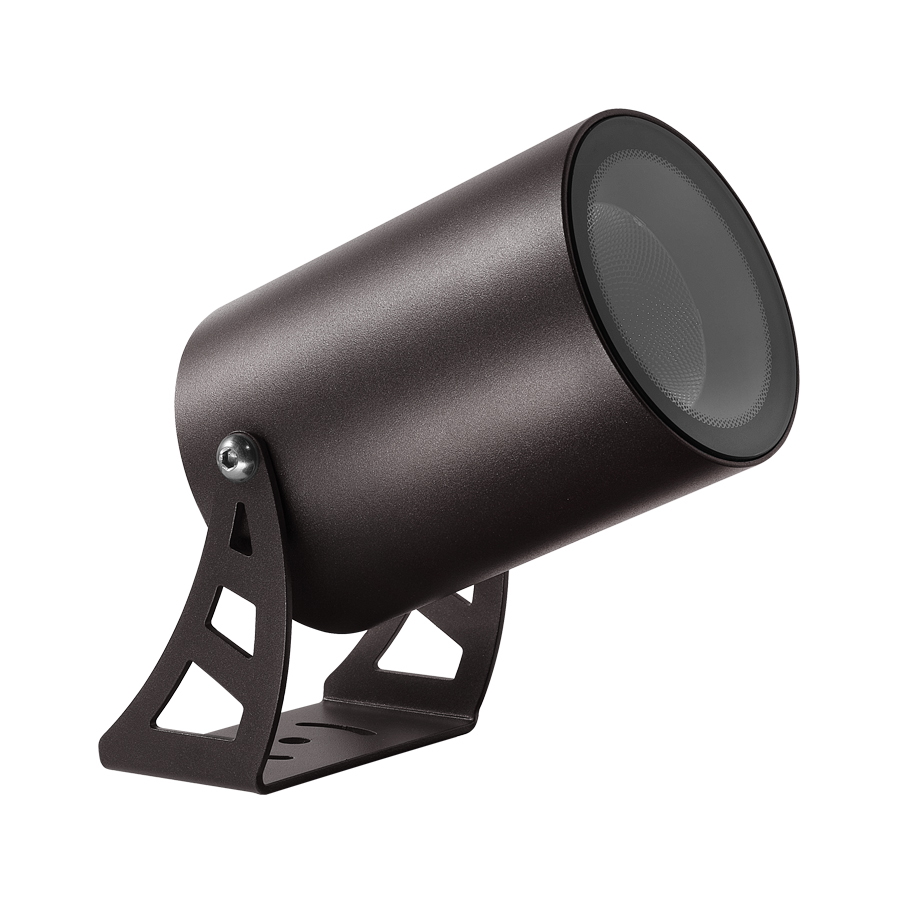
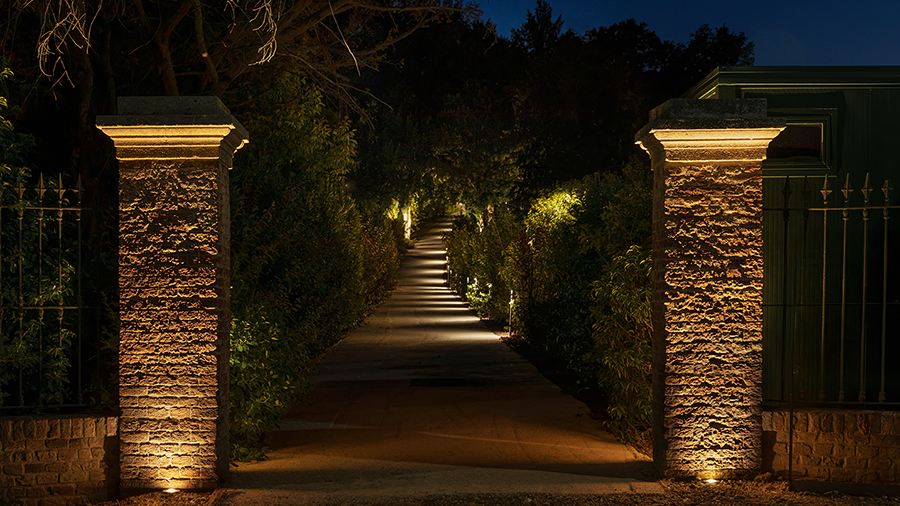
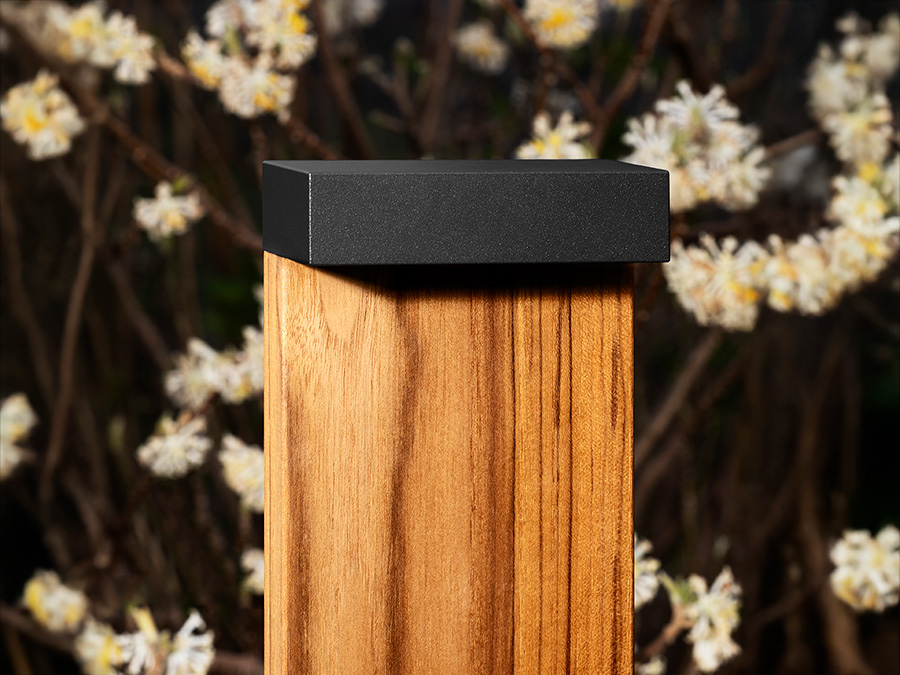
At the entrance, the texture of the gate’s brick columns is highlighted by the grazing light of Corso 2.0 recessed fixtures with honeycomb louvres to prevent glare. Along the main avenue, a sequence of Plin 2.2 bollards punctuates the path with soft light in dialogue with the surrounding greenery. At the heart of the park, among the large square beds and the countess’s rose garden, Spot 2.4 and Spot 3.4 projectors, installed on stakes, discreetly reveal the vegetation – the former illuminating smaller trees, the latter accentuating the grandeur of the taller specimens – restoring depth and perspective to the nocturnal landscape.
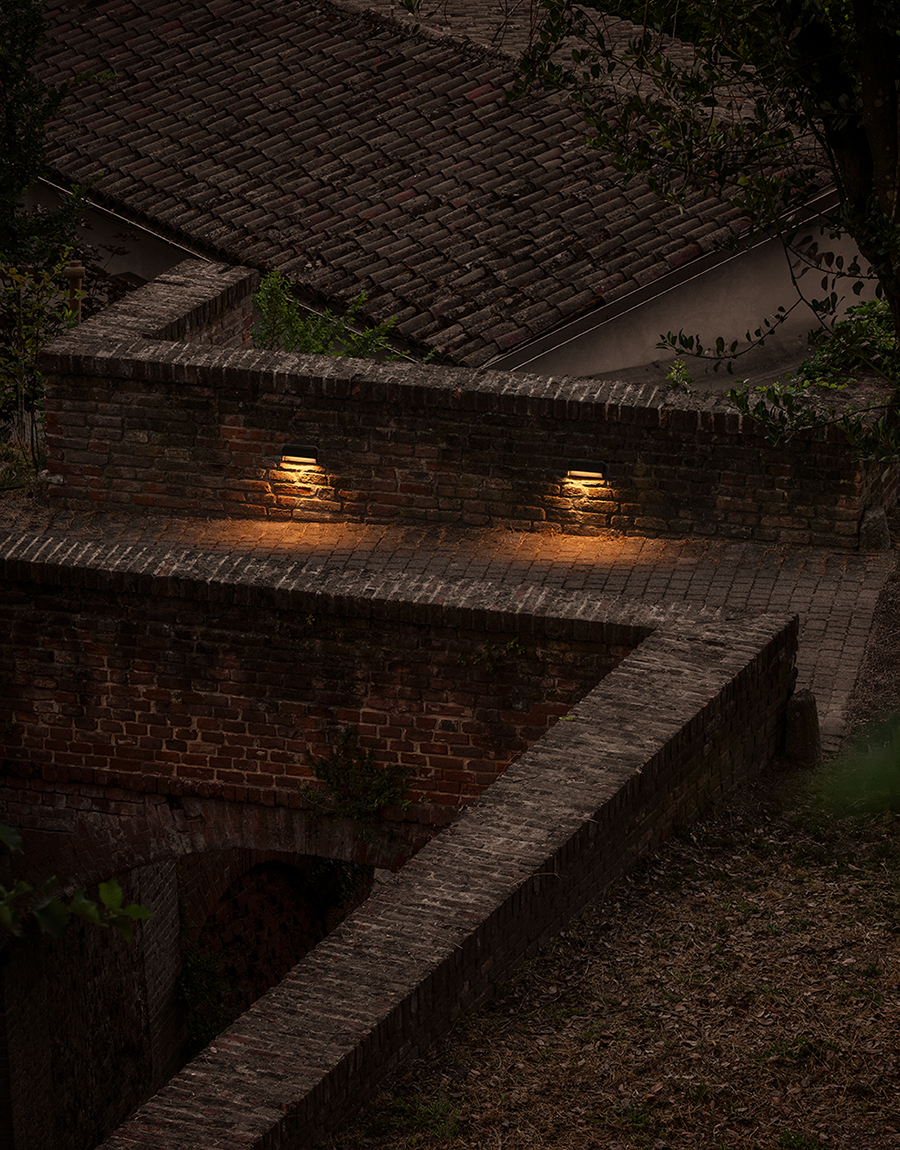
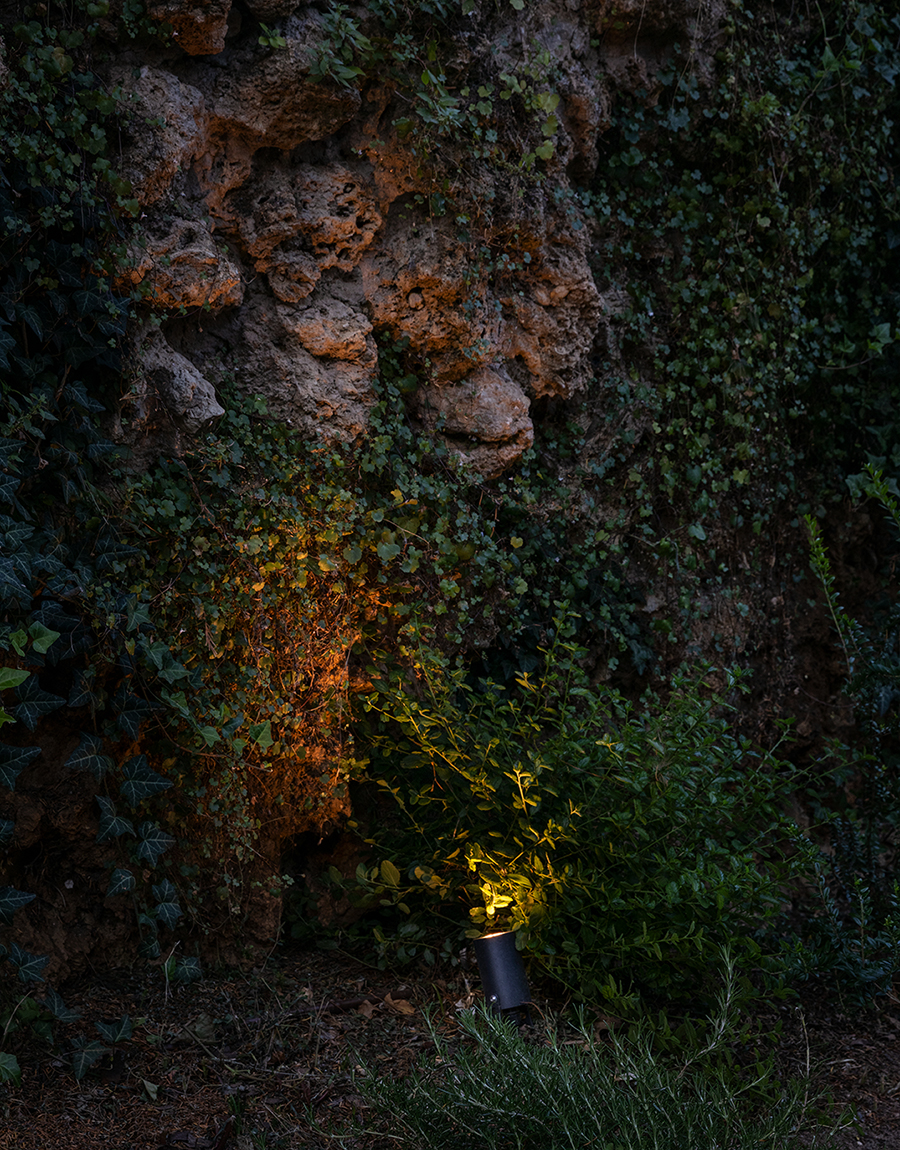
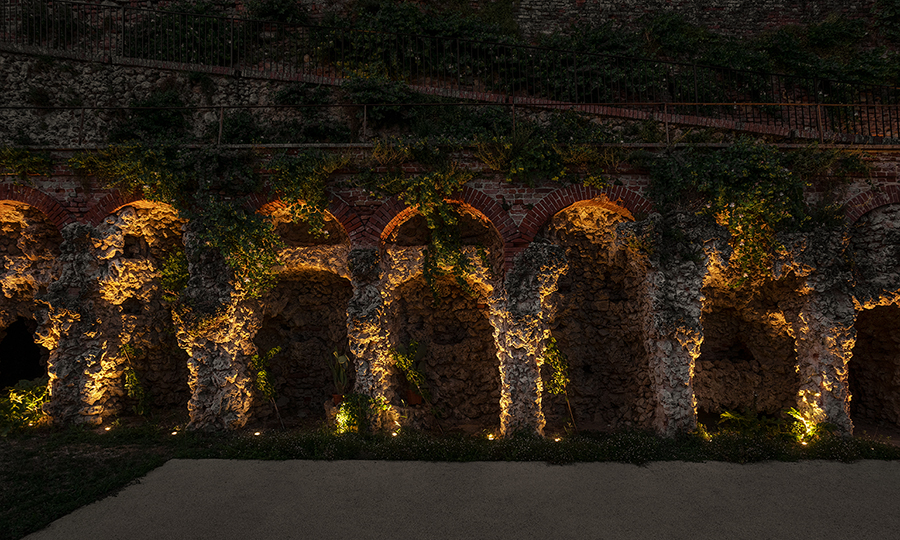
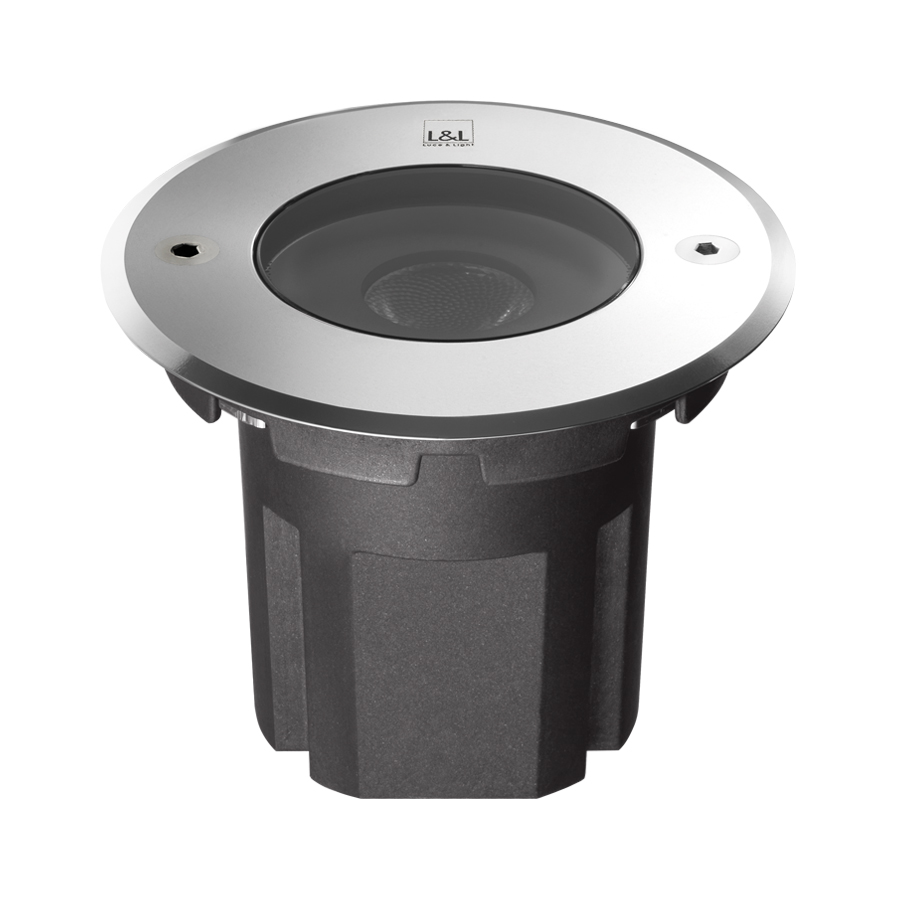
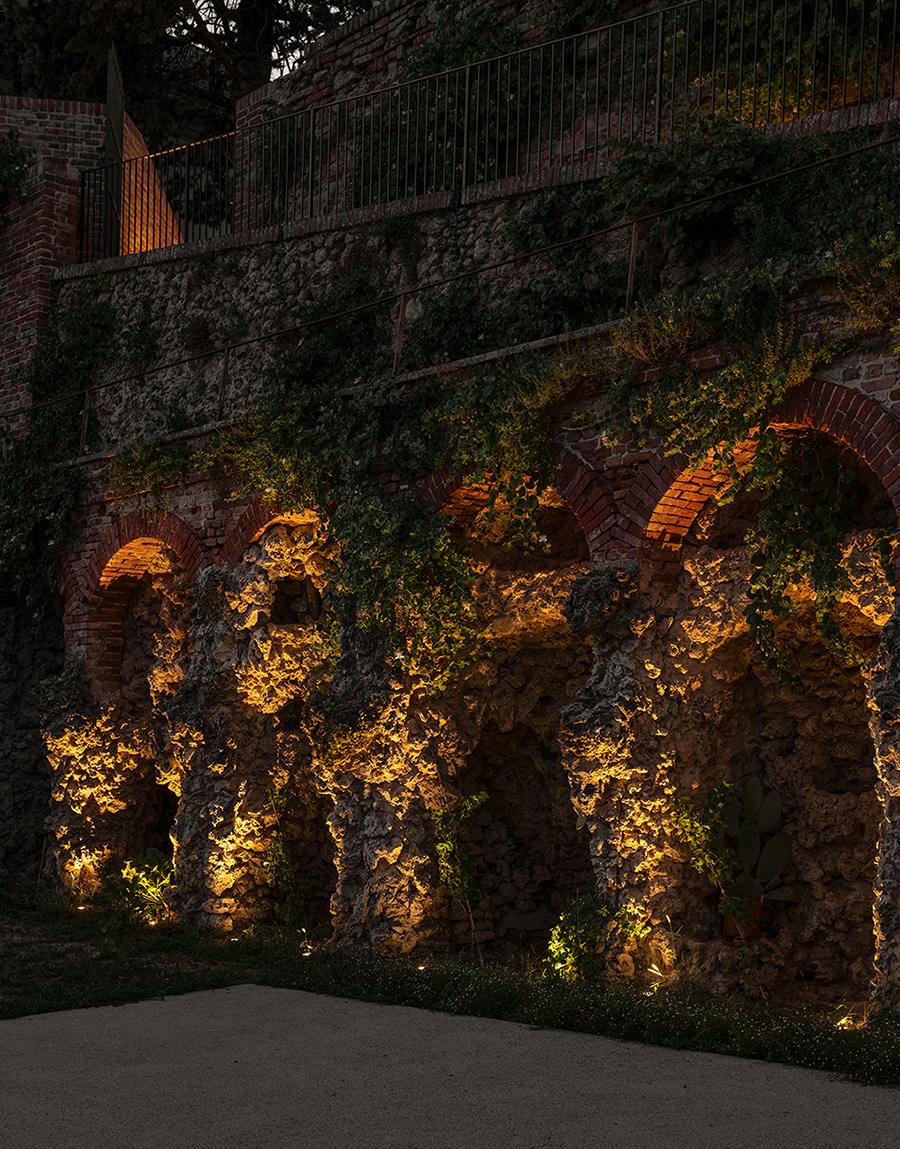
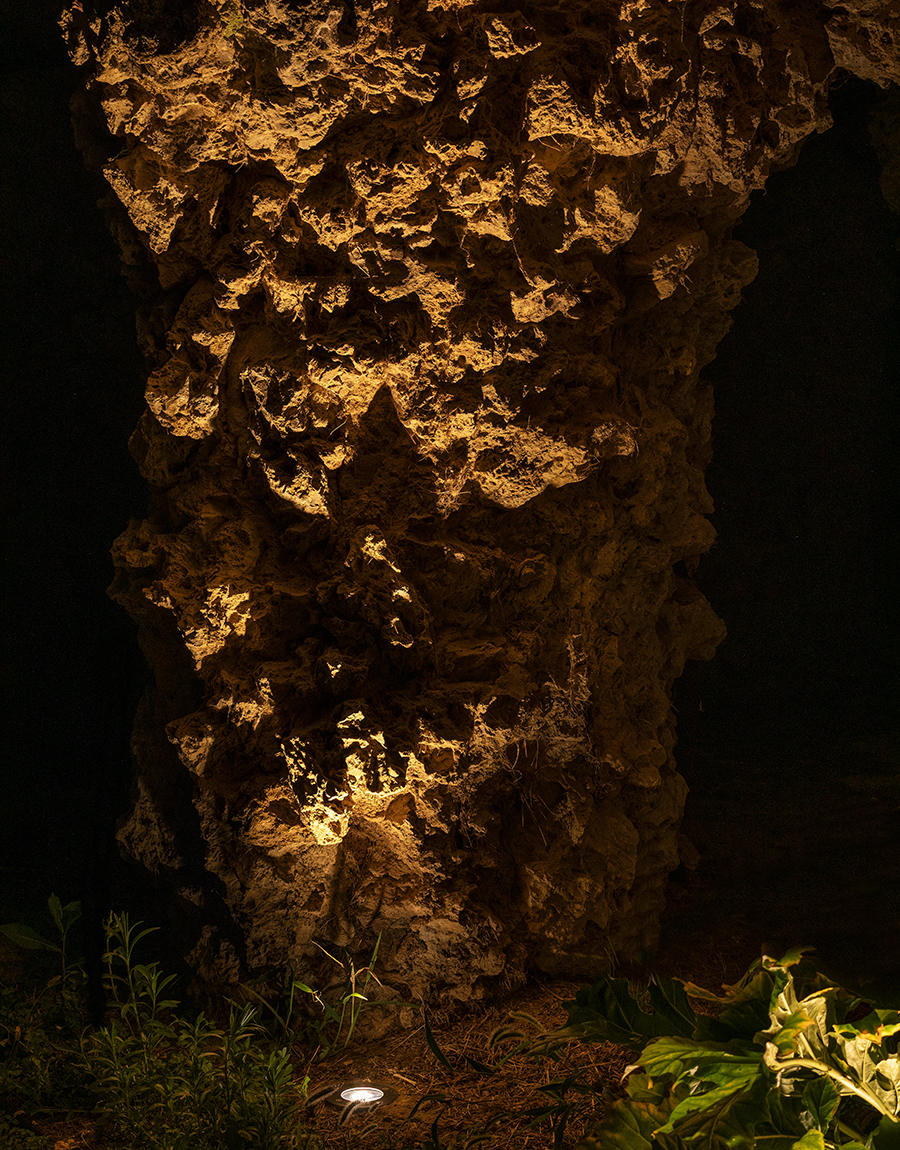
At the start of the path leading to the castle, stone arches, reminiscent of ancient grottos, emerge from the darkness under the delicate light of Corso 3.0 recessed fixtures, while the controlled diffuse downward light of Plin 2.0 bollards marks ramps and steps, rendering them safe and adding atmosphere.
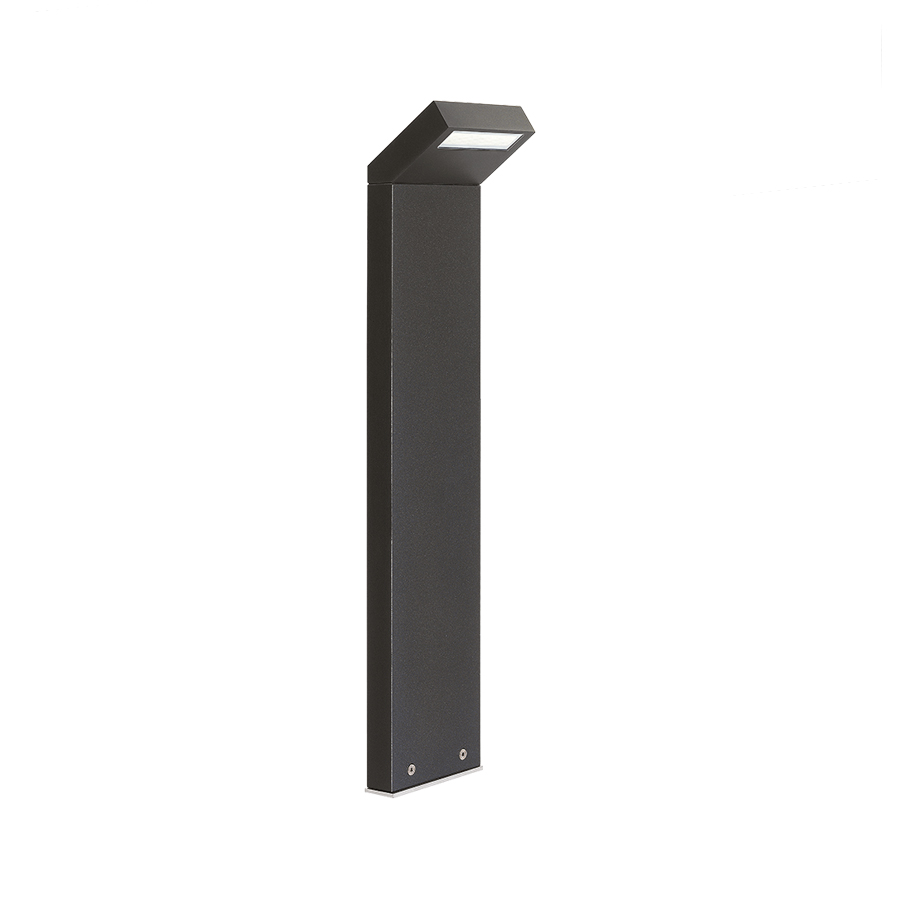
On the connecting walkways, Lira 2.0 step lights cast a controlled beam directly onto the path, tracing a luminous thread between the different areas of the garden. The scene culminates in the architectural illumination of the castle, its tower standing out against the landscape under the light of a Spot 4.4 projector.
“Every design decision was guided by safety and sustainability criteria. We directed most of the light towards the paths to reduce light spill and pollution, programmed the upward-facing projectors to switch off before midnight, and applied the virtual midnight function to the other fixtures on the paths. This enabled us to ensure the necessary safety standards for visitors, even by night, while respecting nature and reducing energy consumption.”
Marco Palandella, lighting designer
At night, the park’s architecture, the bark of the trees, the scent of roses and the rolling hills of this UNESCO World Heritage landscape are revealed in a respectful, unobtrusive light. A project that demonstrates how lighting can become a tool for culture and community, returning a historical landscape to collective enjoyment under a new light.


Via Scandiana, Ferrara, Italy
Foggia, Italy
 All projects
 All articles