

| Year | 2026 |
|---|---|
| Location | Diadochou Konstantinou 1, Peania, Greece |
| Application | Gardens and Landscape, Fountains and swimming pools, Museums and exhibitions |
Located in Paiania, just outside Athens, the Vorres Museum houses a unique collection where contemporary art, Greek tradition and the natural landscape interact in perfect harmony. Sculptures, artistic installations, courtyards and Mediterranean gardens follow one another in an immersive outdoor progression that invites visitors to explore beyond the museum’s indoor exhibition spaces.
It was against this backdrop that HUB Lighting & Innovation by Kafkas, in collaboration with L&L Luce&Light, organized an evening dedicated to the relationship between light, art and landscape. Bringing together architects, lighting designers, landscape designers and industry professionals, the event opened with talks moderated by Christina Moudara: an interview, In Between Light and Landscape, with Thanos Danilof and Dr Antonis Skordilis, and a presentation, Where Light Crafts Landscapes: The Role of Light in Shaping Outdoor Environments, given by L&L’s Lucia Perenzin – both focusing on the role of light in designing outdoor spaces.
But the true star of the evening was the museum itself, transformed into an experiential journey where light guided visitors through a series of scenes. These went from the carefully curated illumination of artworks to luminous elements integrated into the natural landscape, finishing with interactive installations created using shapes and colours projected from multiple custom gobos.
Light as an interpretative tool
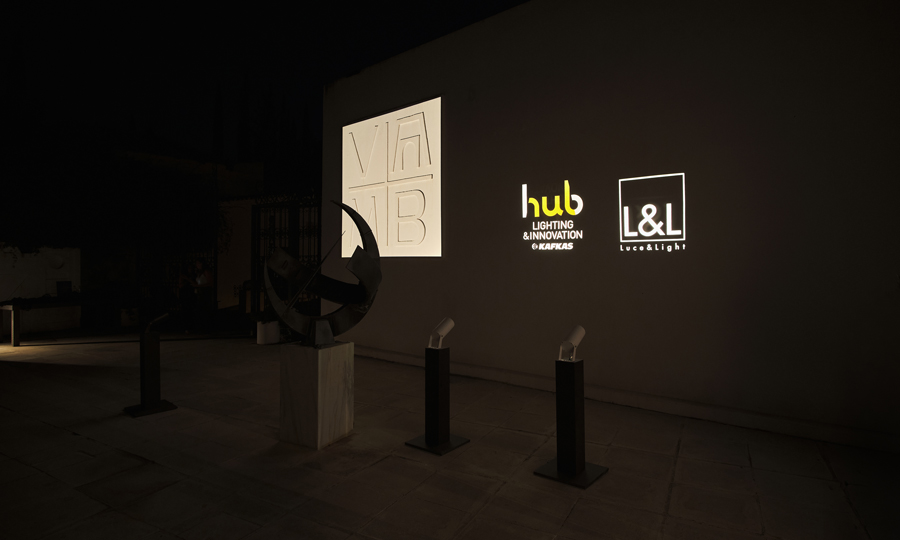
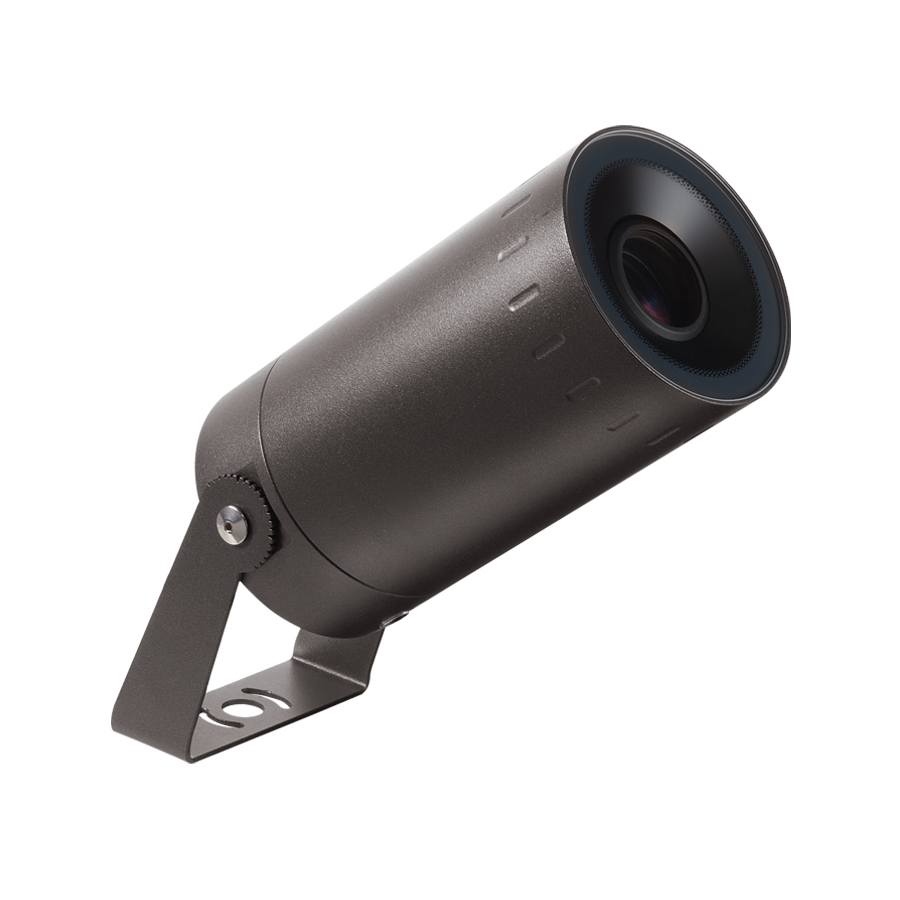
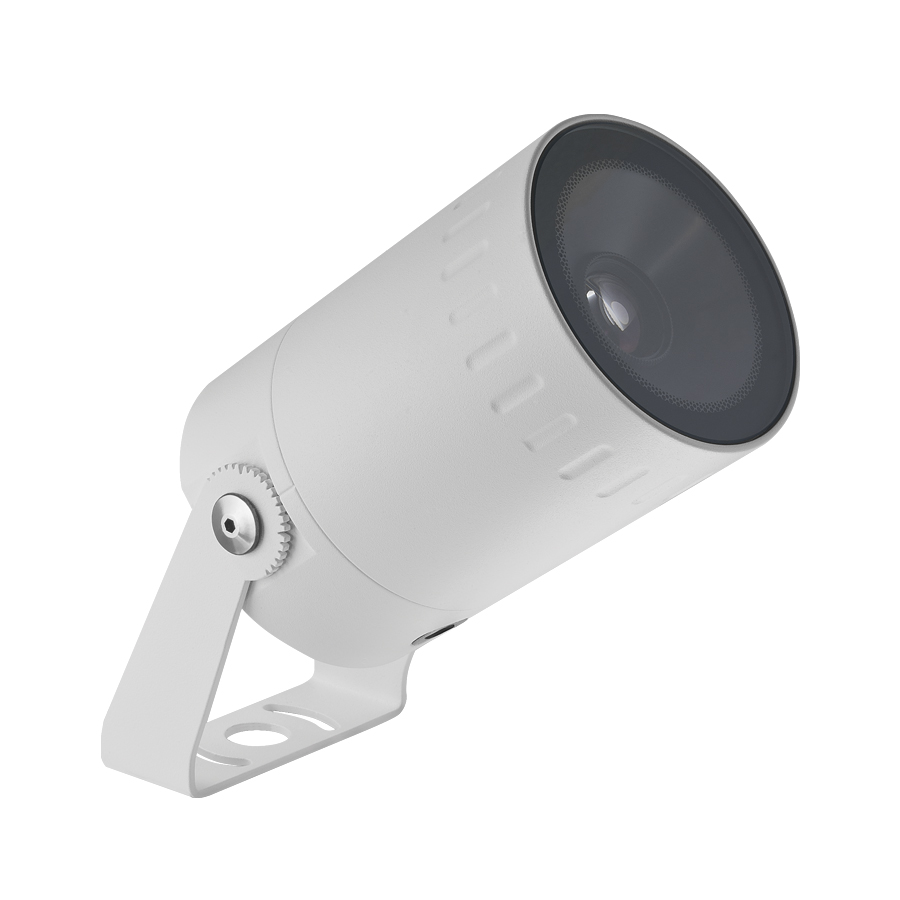
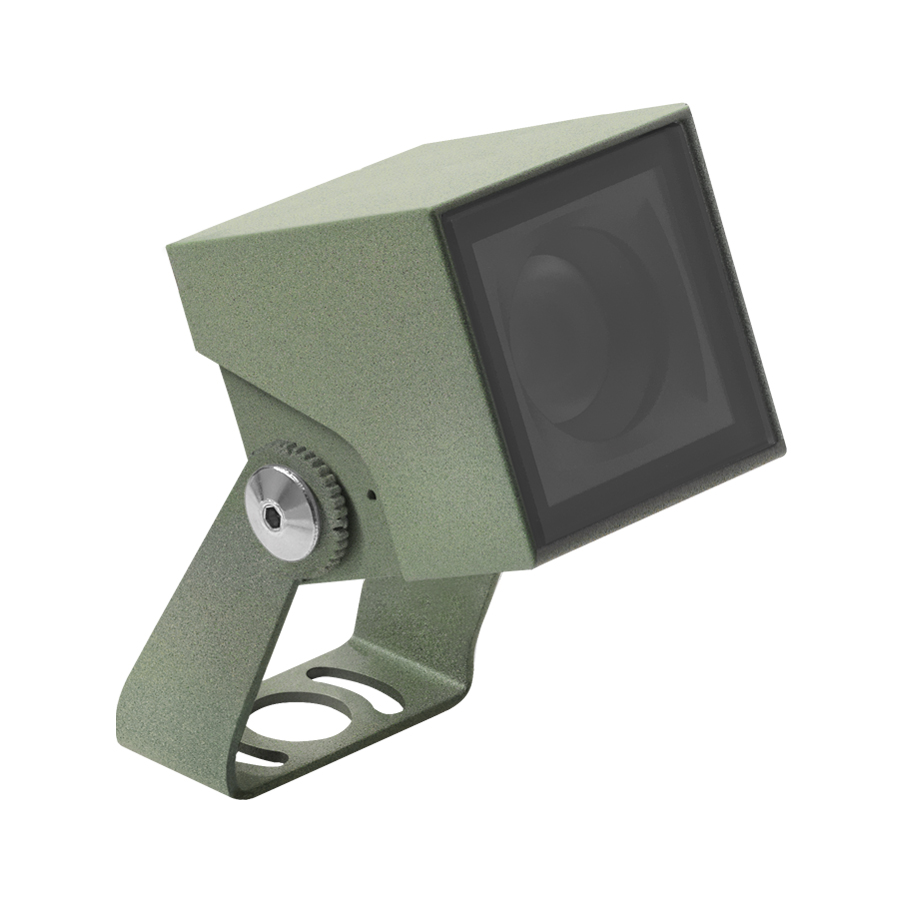
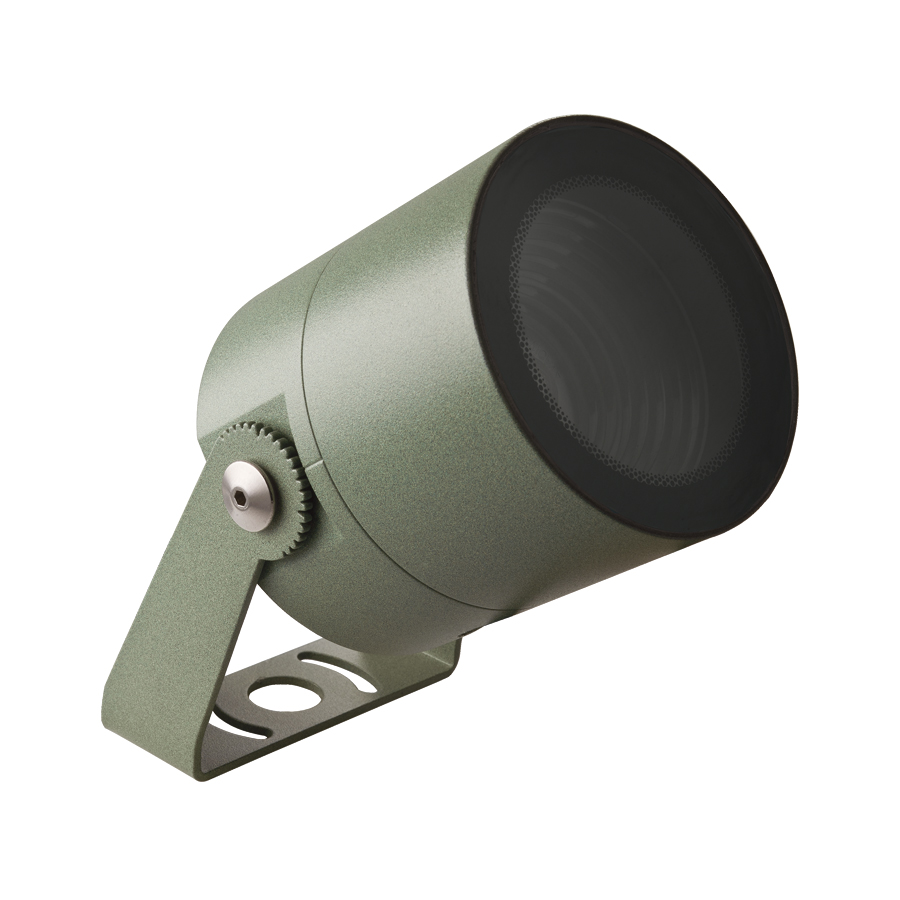
Light took on a narrative role from the very entrance to the museum. Three Ginko 4.5 Light Shaper projectors welcomed attendees by precisely framing the Vorres Museum crest and, through two custom gobos, projecting the logos of HUB Lighting & Innovation by Kafkas and L&L Luce&Light.
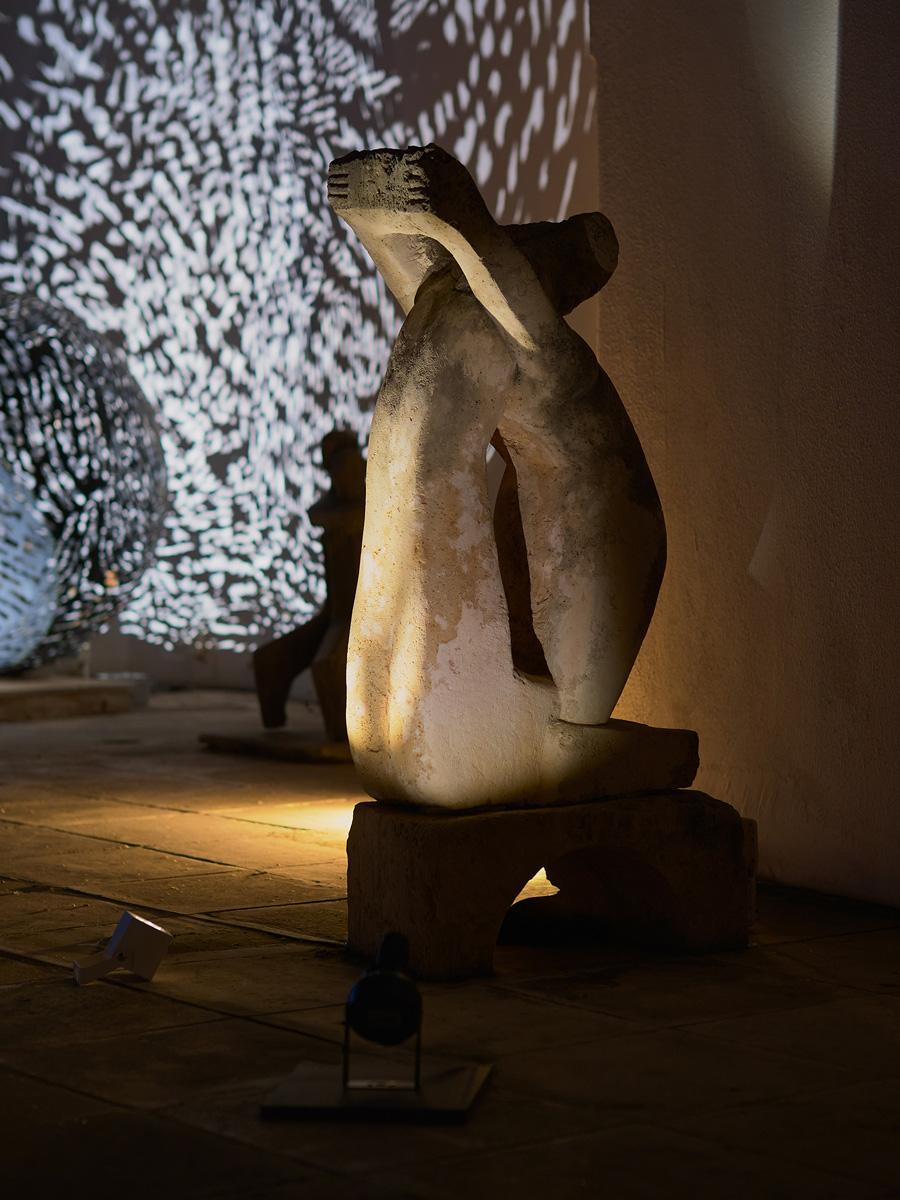
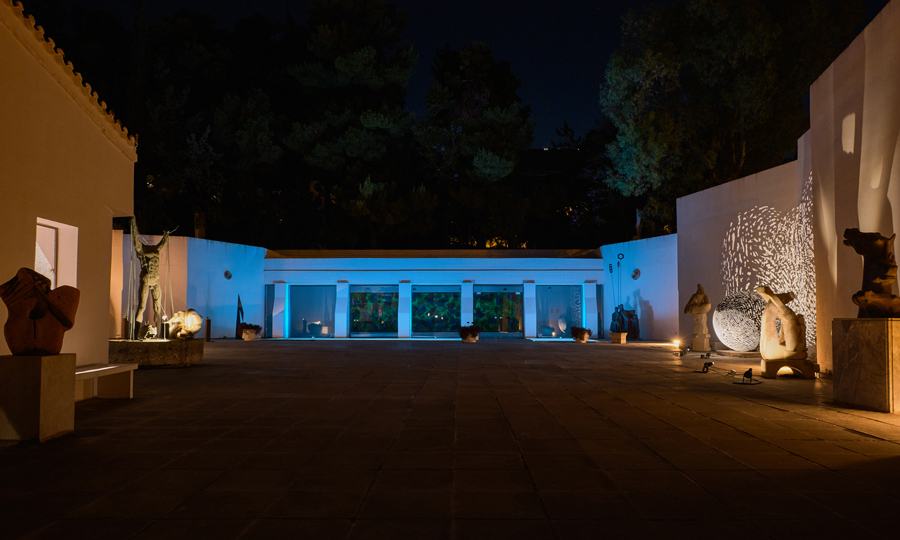
As visitors moved further into the museum courtyard, the contemporary sculptures became first muses and then models for different lighting effects. Each installation explored a different lighting approach, demonstrating how the perception of an artwork can change through carefully controlling light intensity, direction and beam distribution.
Linear profiles and projectors were combined to give the sculptures greater depth and visual presence. Carefully calibrated contrasts, controlled shadows, and precisely placed accents shaped visitors’ perceptions of the works, guiding the eye across surfaces and volumes, and revealing shapes, materials and details.
The first installation, created using a combination of Ginko 3.5 Light Shaper and Reiko 3.0 projectors with shadow-effect filters, explored the relationship between light and darkness through varying light intensities that enhanced the sculpture’s three-dimensional form.
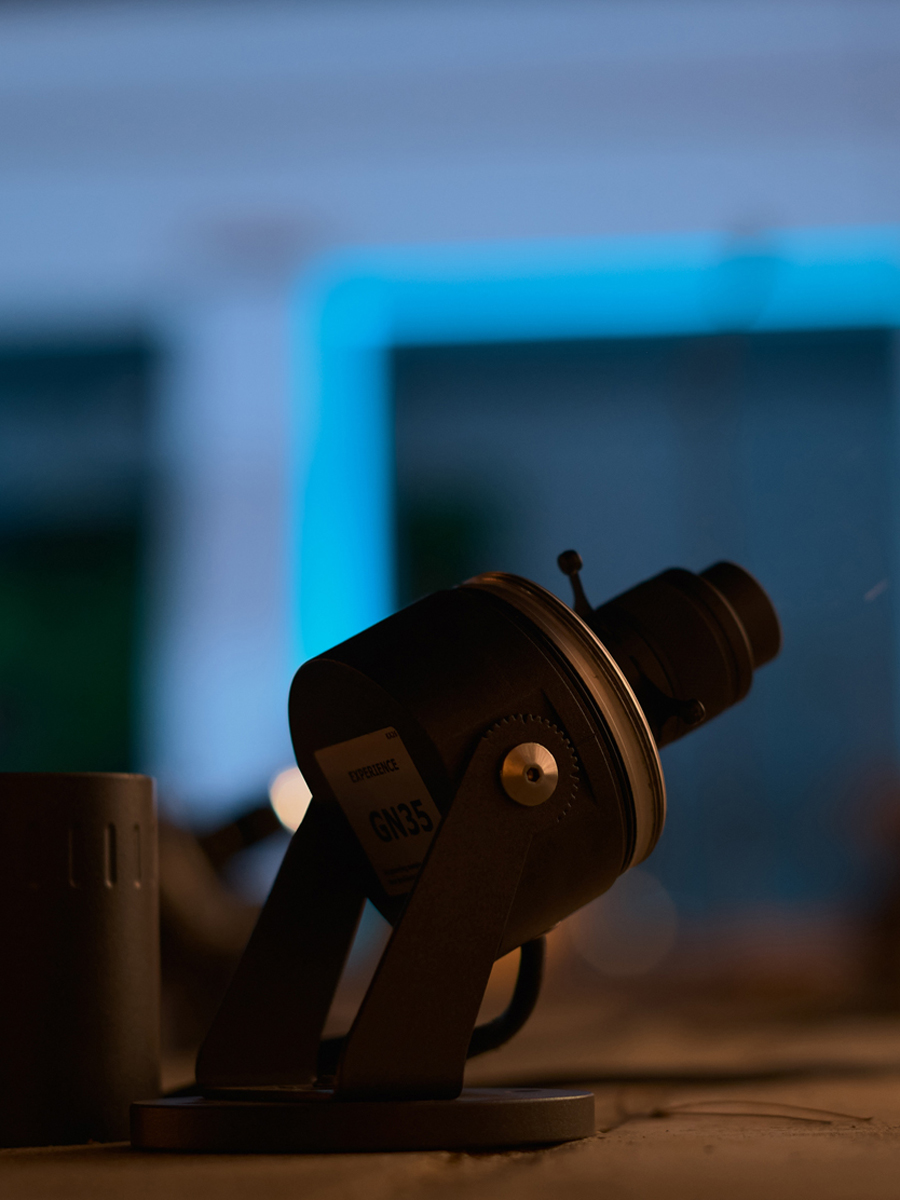
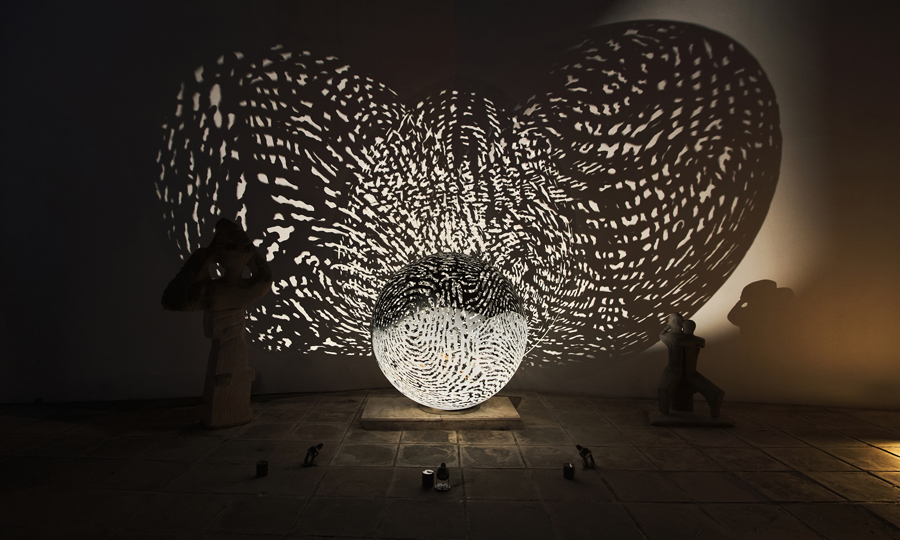
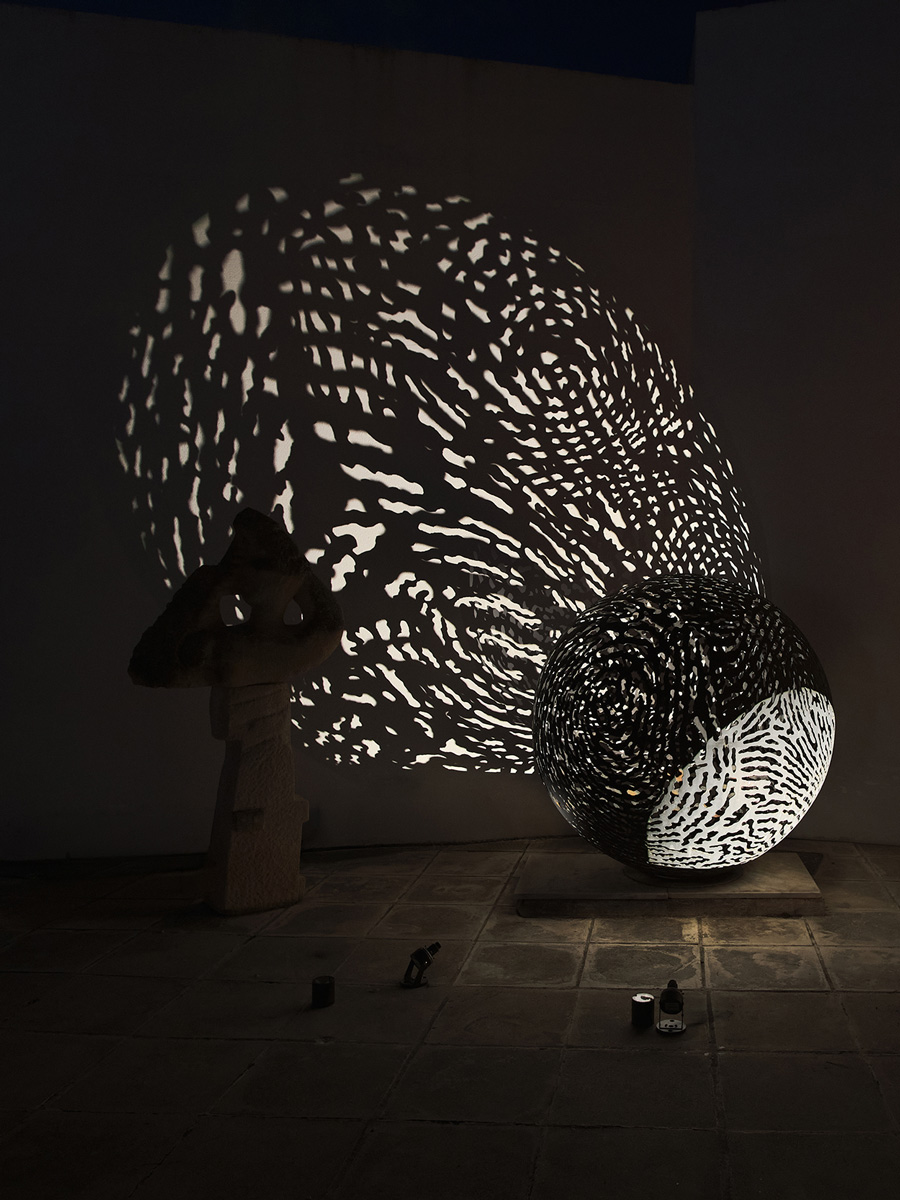
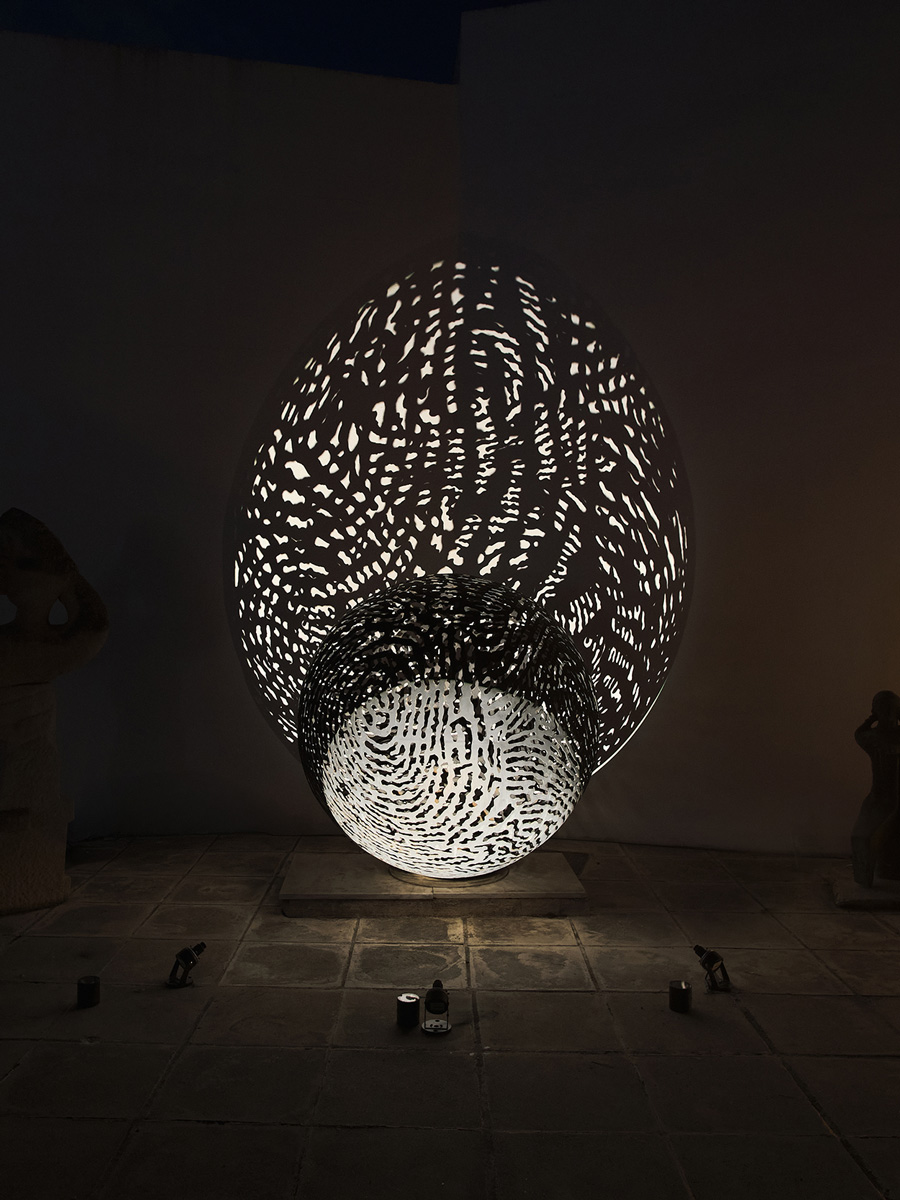
Next, a perforated sphere was transformed into a projector in its own right by Ginko 3.5 Light Shaper projectors, installed at different angles. Through it, they cast striking patterns of light and shadow onto the walls behind.
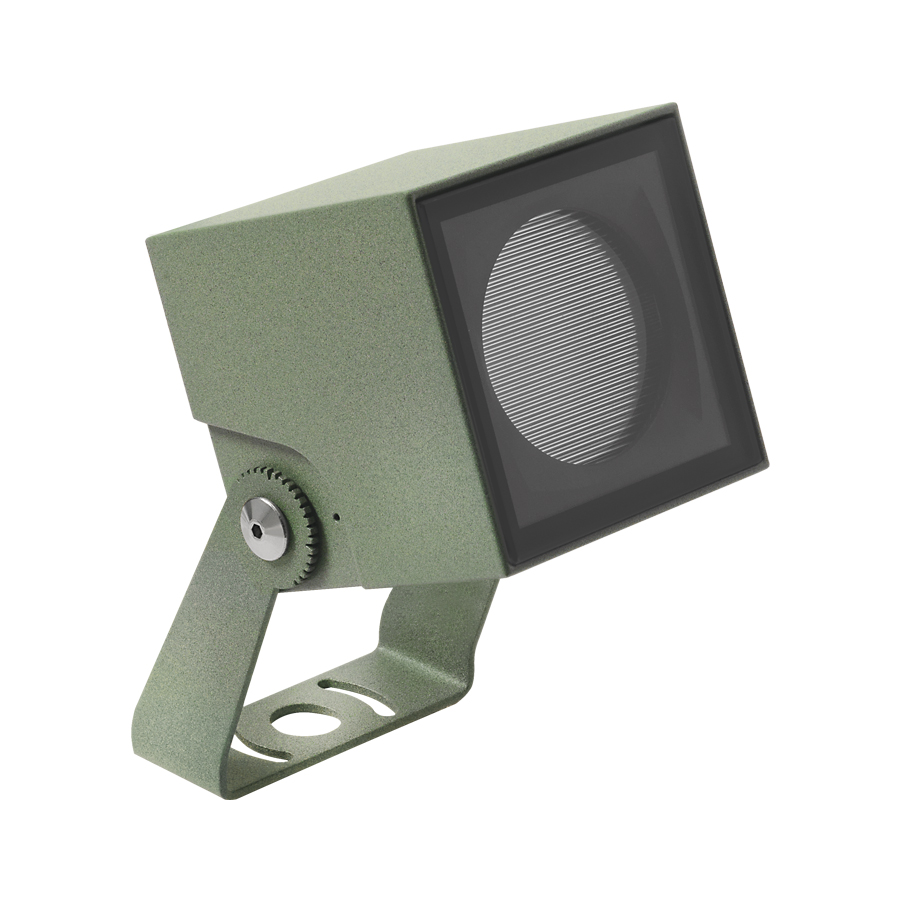
In the centre of the courtyard, a human figure reaching towards the sky became the ideal subject for contrasting accent lighting, frontal illumination and backlighting, created with Reiko 2.0 projectors with snoots. They illustrated clearly how the emission point can dramatically alter the sculptural reading of an artwork.
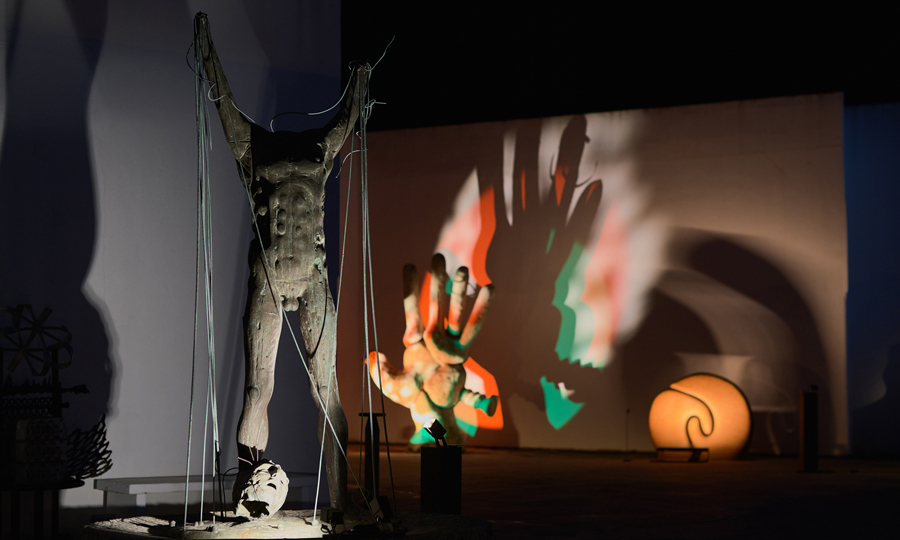
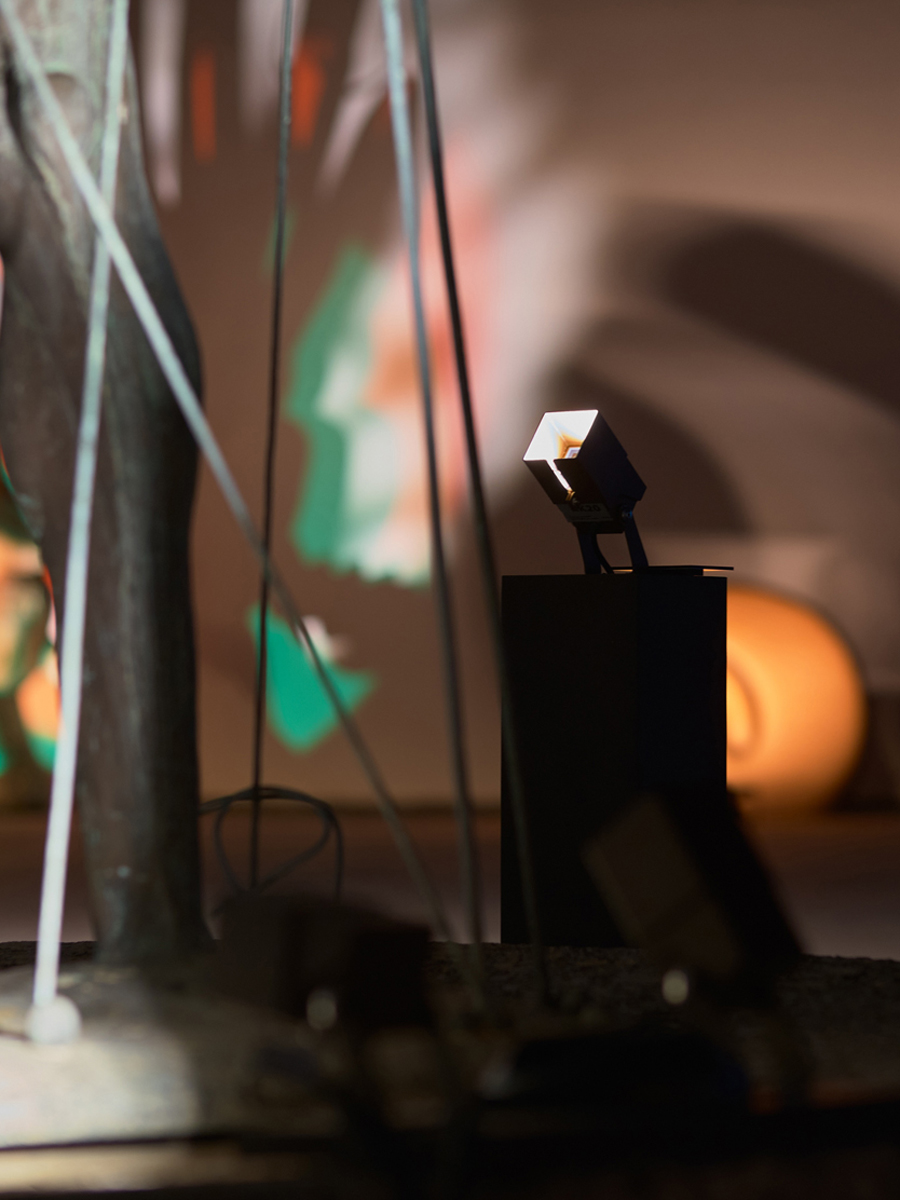
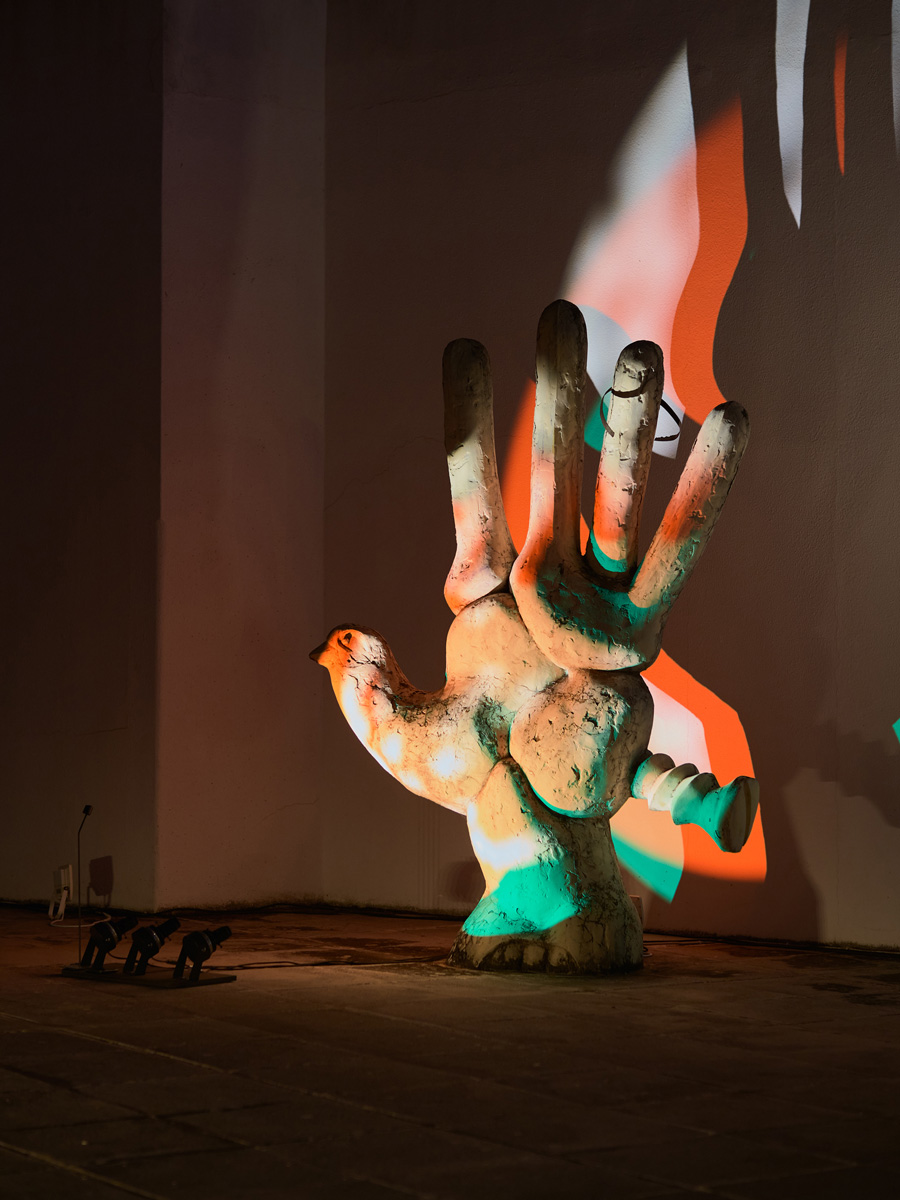
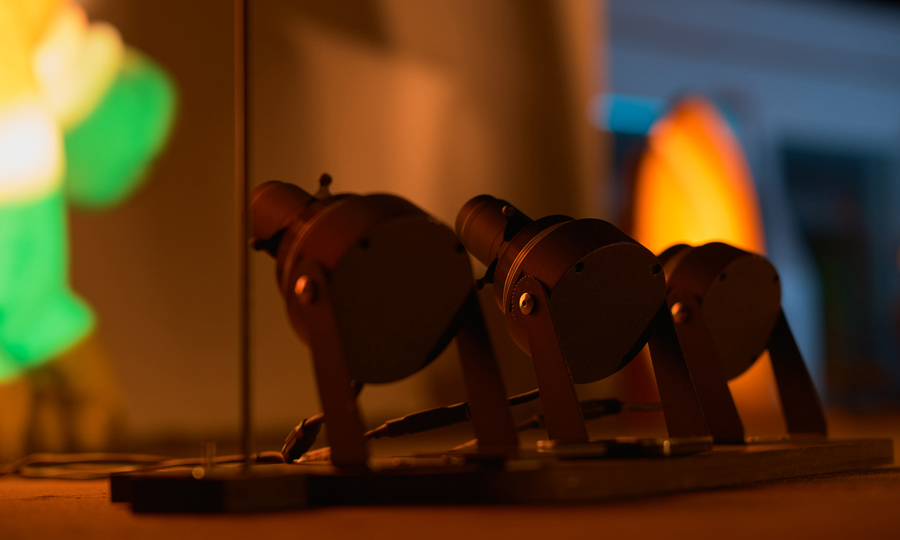
Further along, a monumental sculpted hand became the focus of a study in colour composition. Three Ginko 4.5 Light Shaper projectors, fitted with foliage-effect red, green and white gobos, projected sharply defined beams that overlapped across its surface, blending colours and deconstructing shadows in a continuous interplay of contrasts.
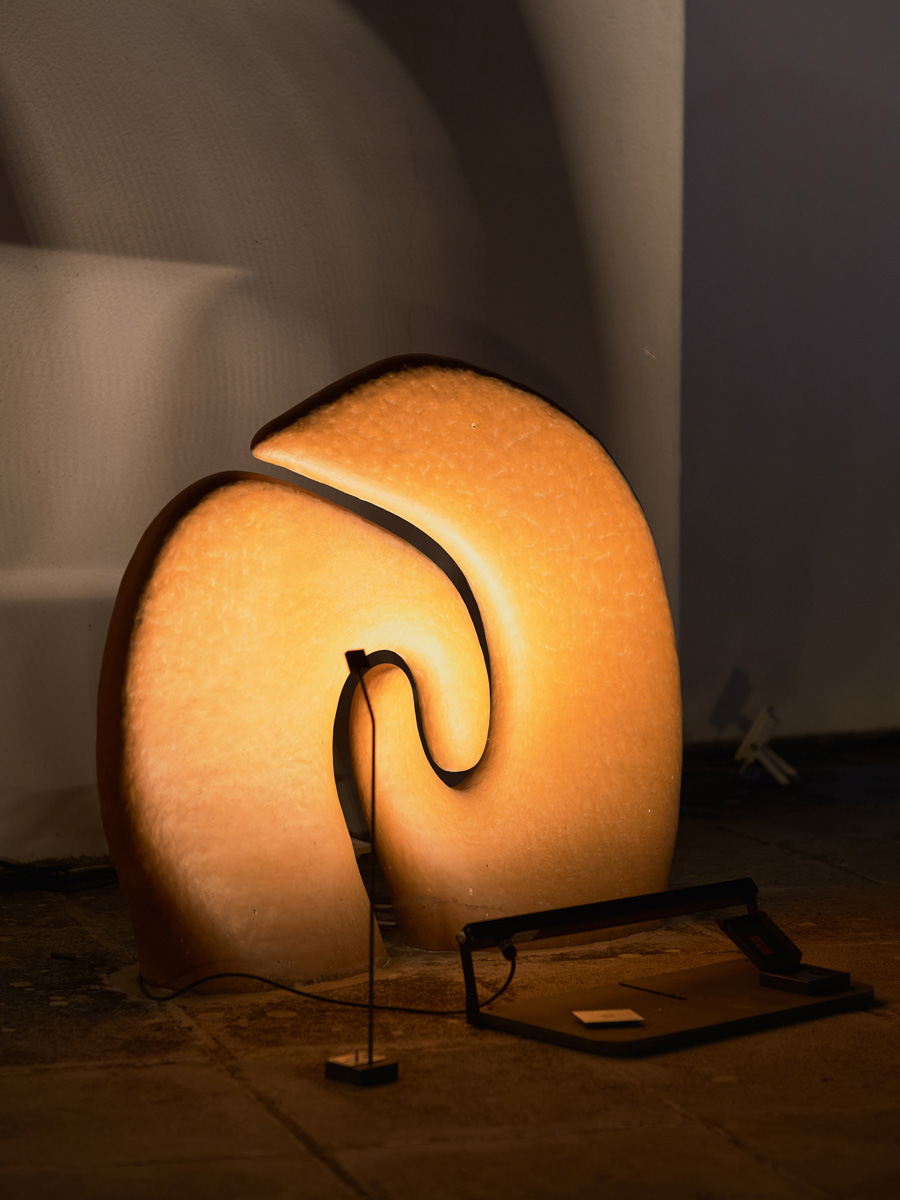
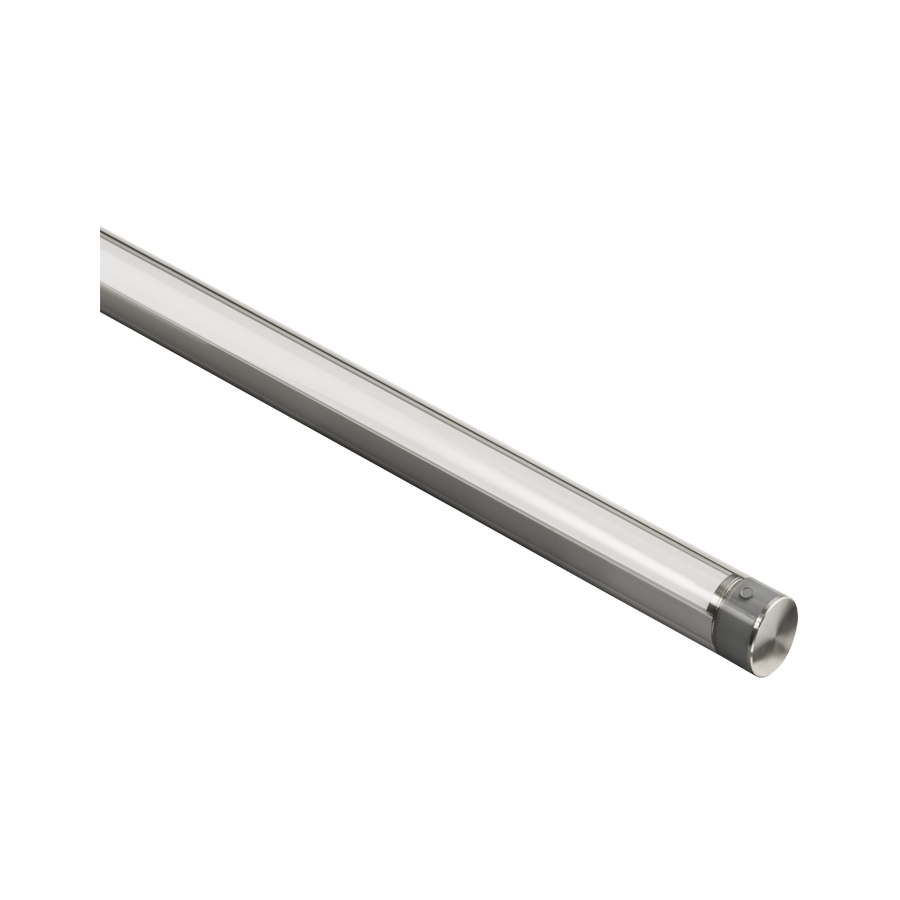
Further still, a terracotta-coloured sculpted disc provided the opportunity to explore the creative potential of Tunable White technology. Two Neva Pro 5.0 profiles, one with wide linear optics at the front and the other with narrow optics casting a grazing light on the wall behind, alternated between warm and cool colour temperatures, changing the perception of the artwork while highlighting its texture, carved details and depth.
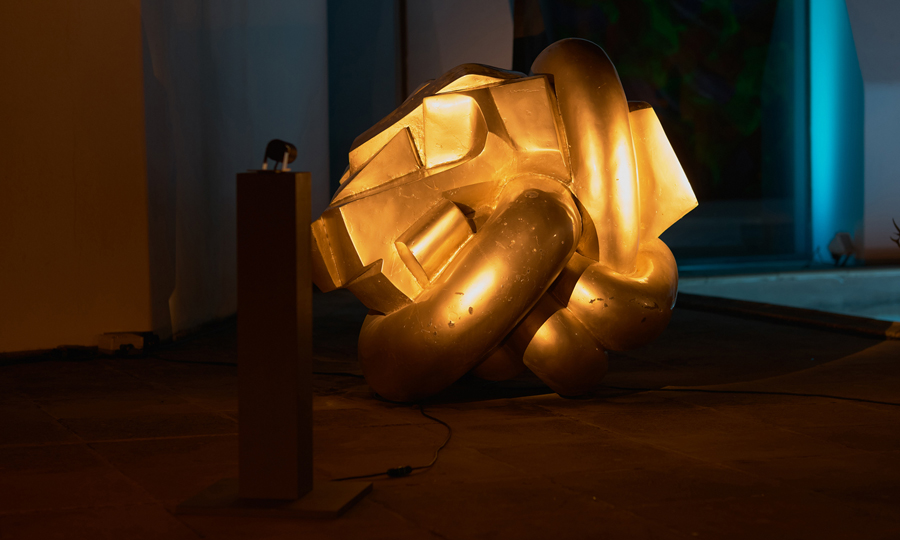
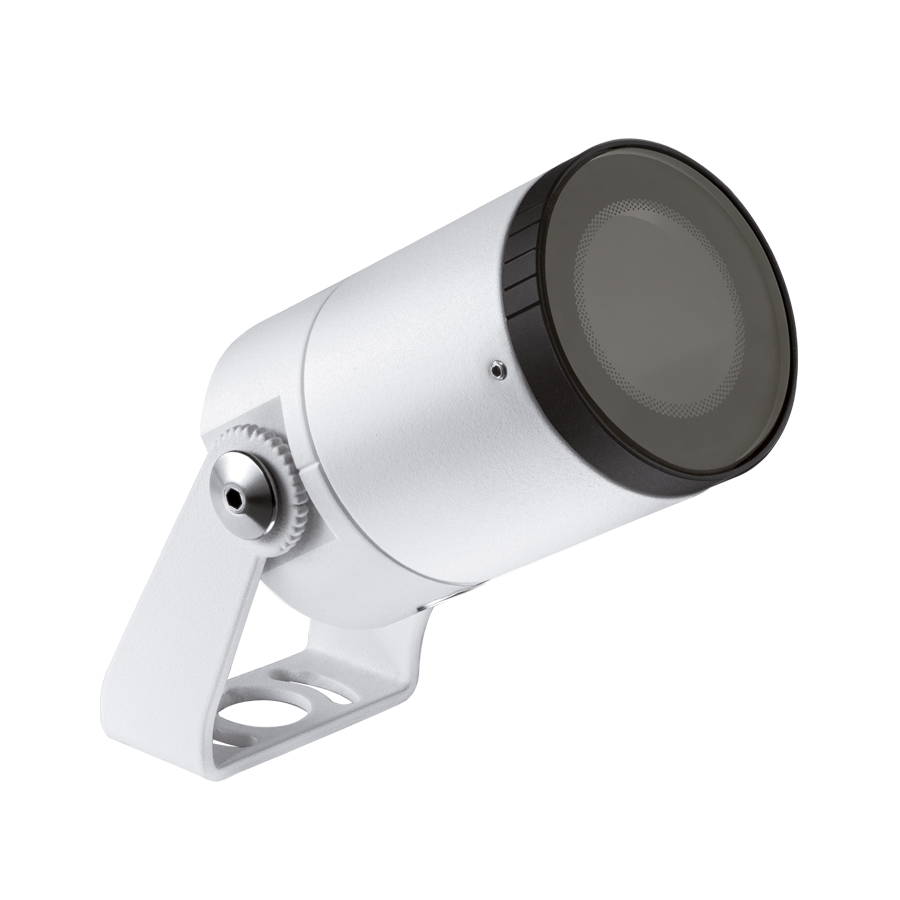
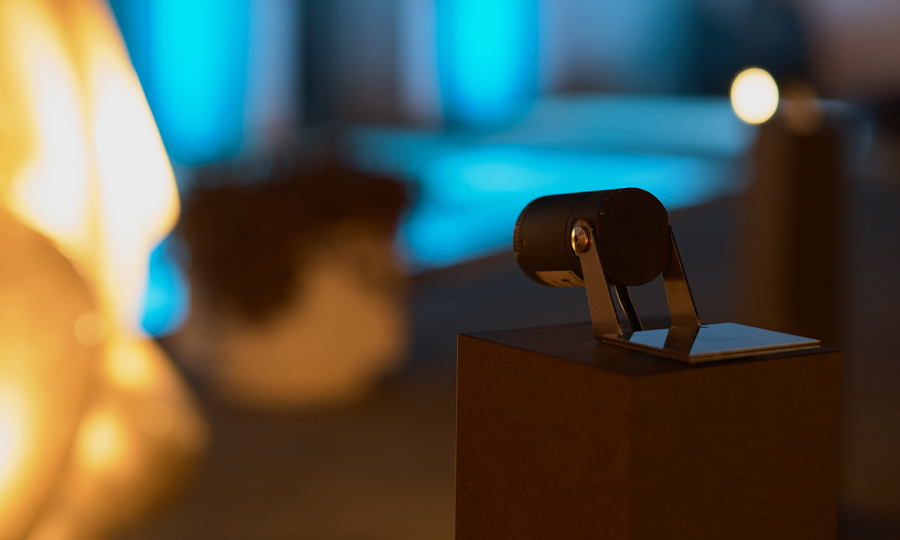
The sequence concluded with a sculpture of interwoven knots illuminated by a pair of Ginko 2.4 projectors with zoom lenses, demonstrating how adjusting the beam angle affects light intensity and makes it possible to highlight details without straying beyond the artwork’s outline.
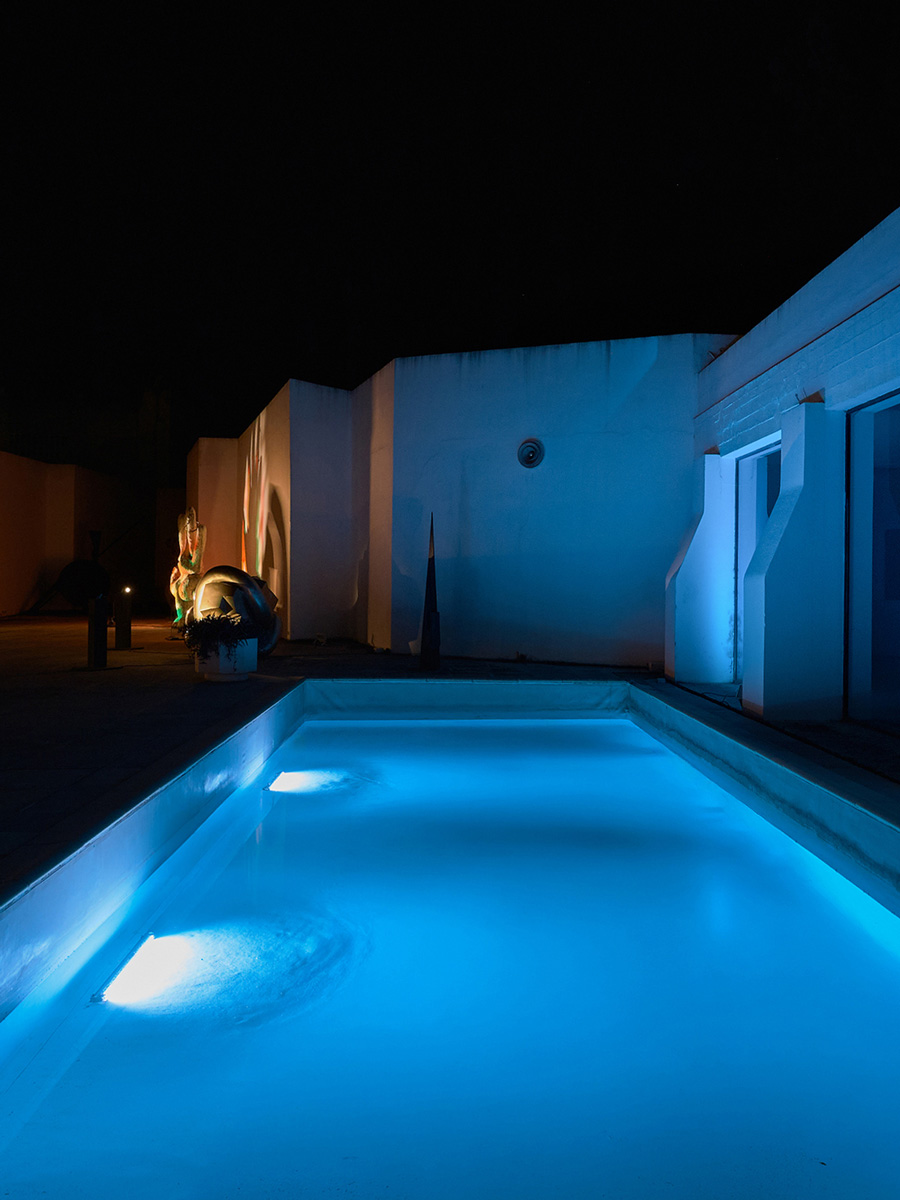
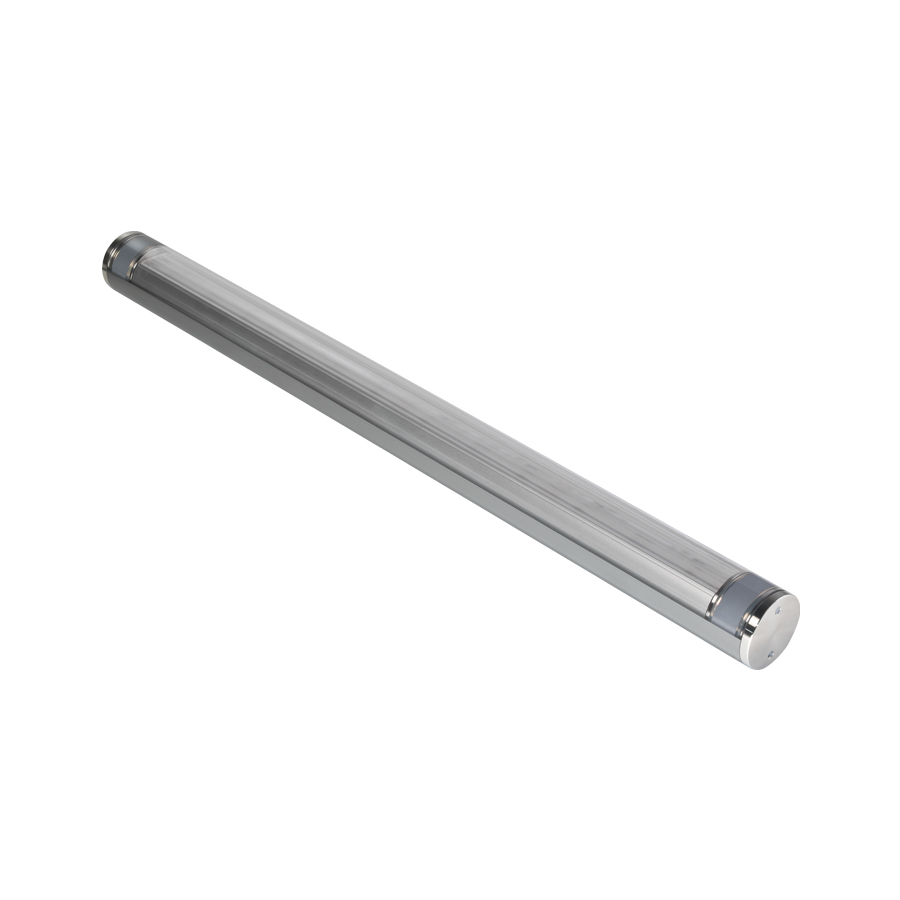
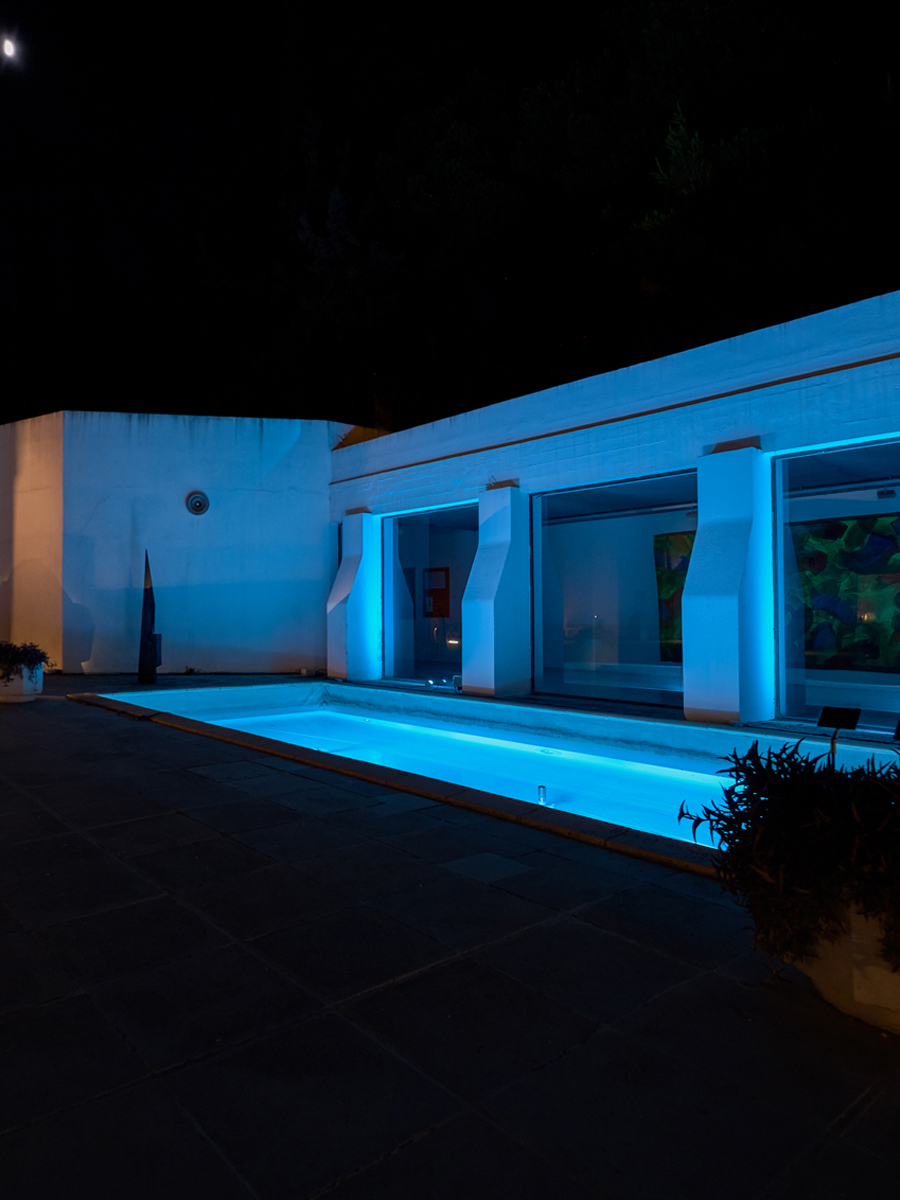
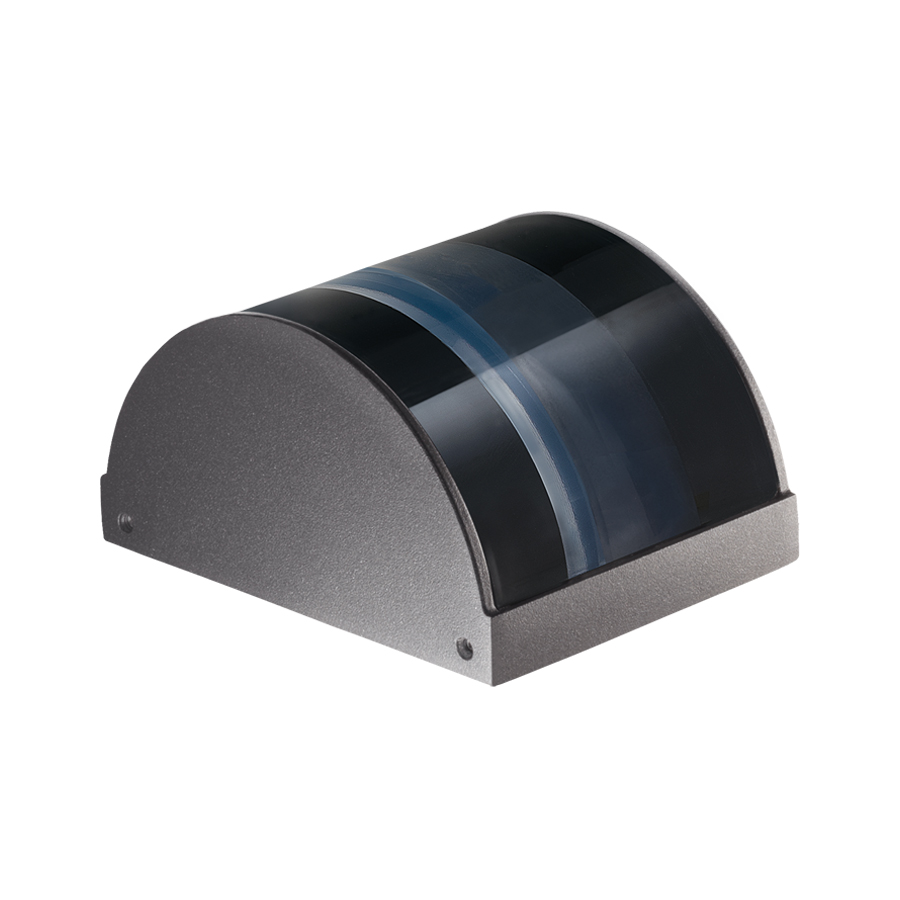
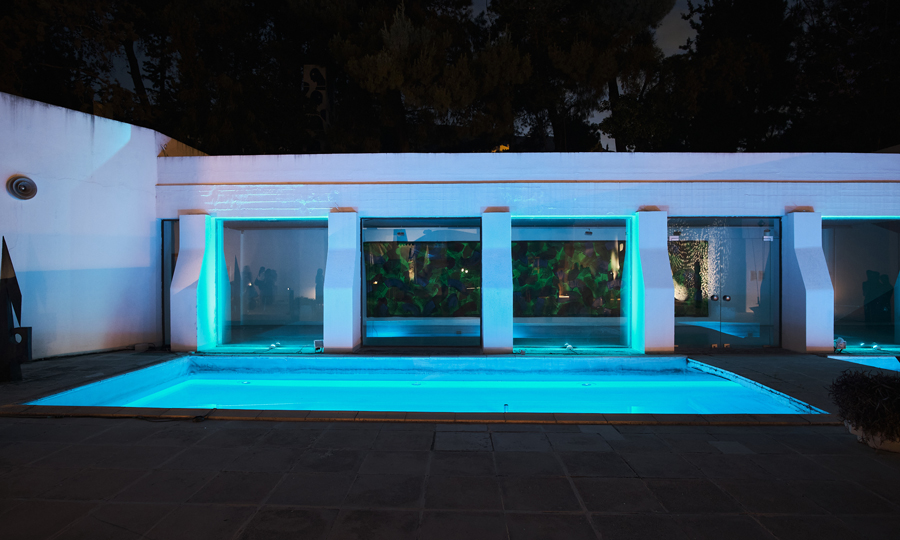
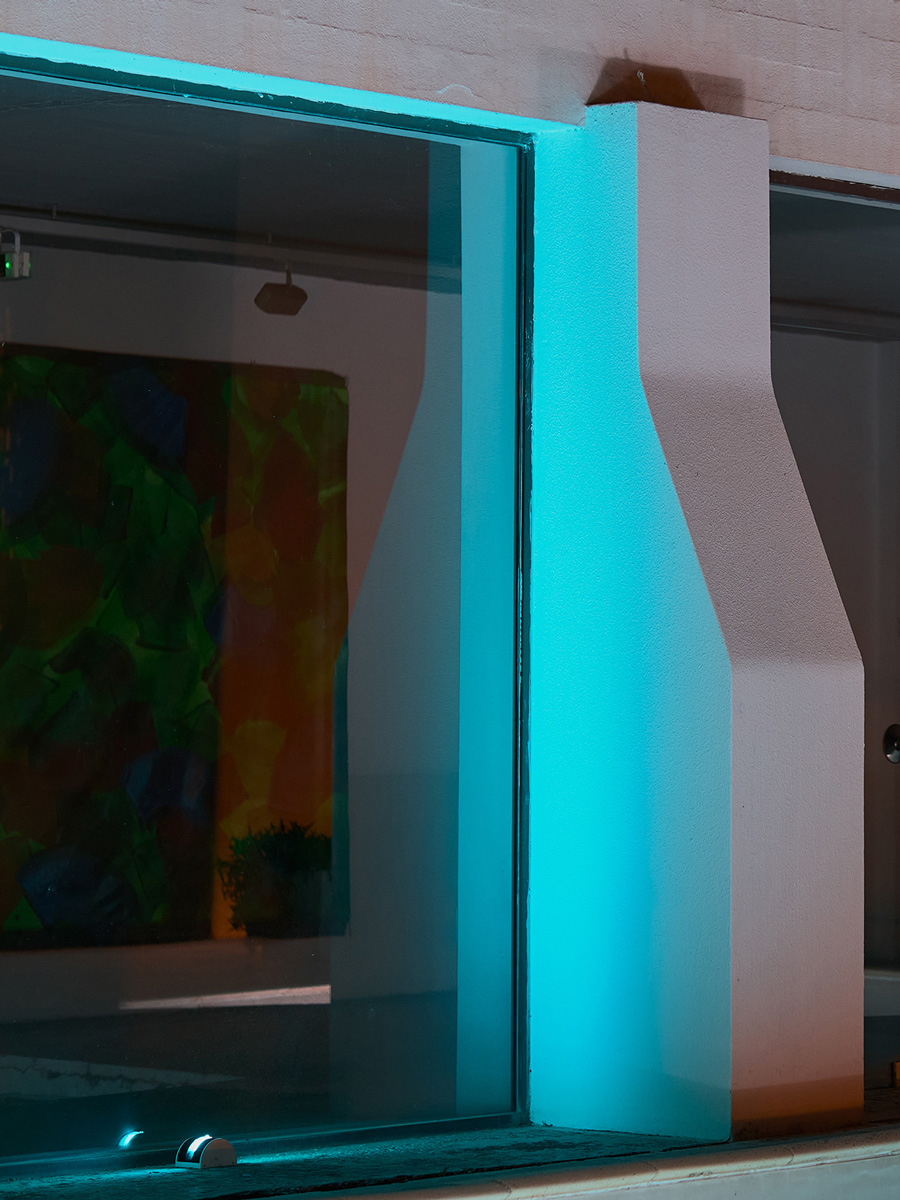
Providing a dramatic backdrop to the exhibition area, a large pool of water was lit from within by Trevi 2.6 RGBW underwater linear profiles with elliptical optics, alternating shades ranging from cerulean to turquoise. The same colours were replicated on the frames of the large windows behind, illuminated by Lyss RGBW projectors with 8°×160° optics, creating a continuous, immersive lighting composition.
The landscape as a place to gather
In the Vorres Museum gardens, the lighting took on a different quality, becoming softer and more relational. Here, it moved beyond scene-setting accent lighting to become a means of creating places where people could meet, pause for a moment and continue to enjoy the landscape as night fell.
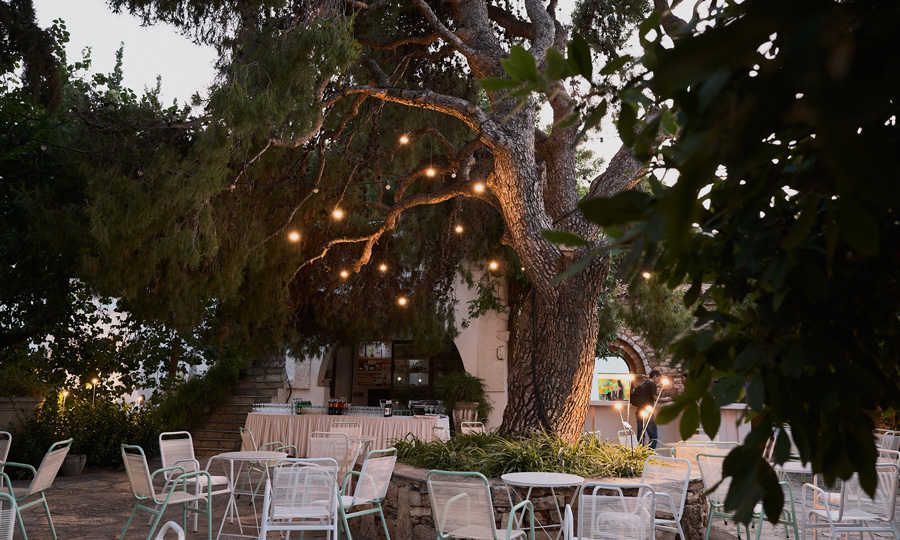
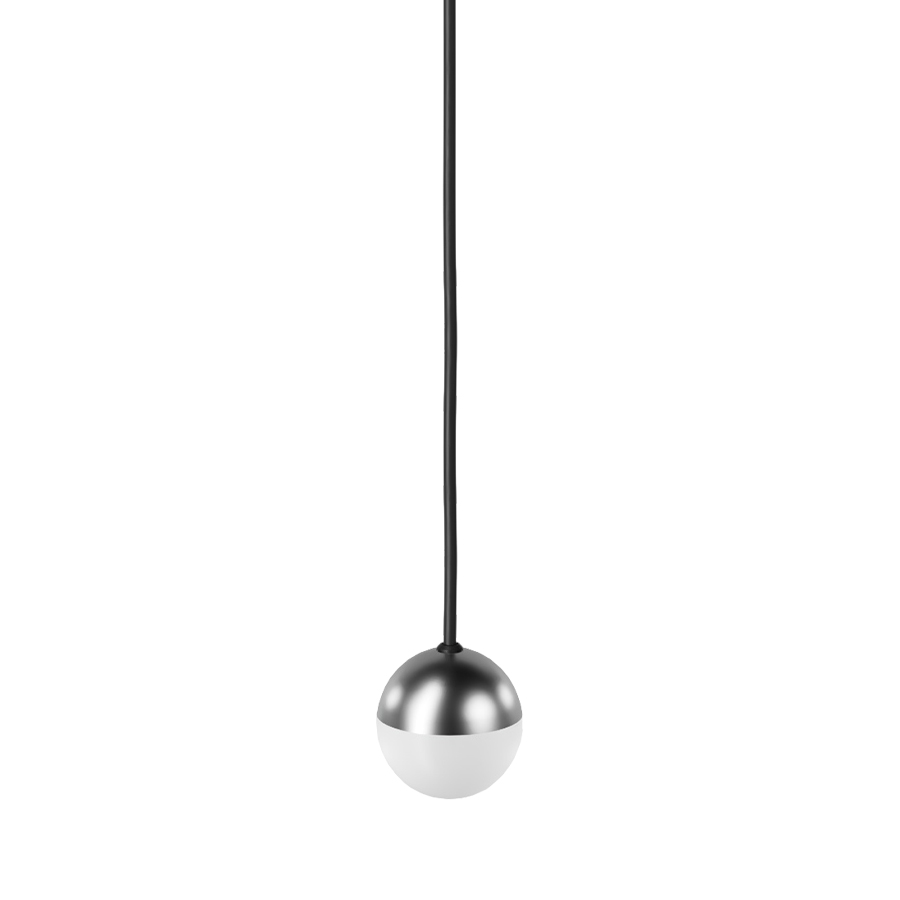
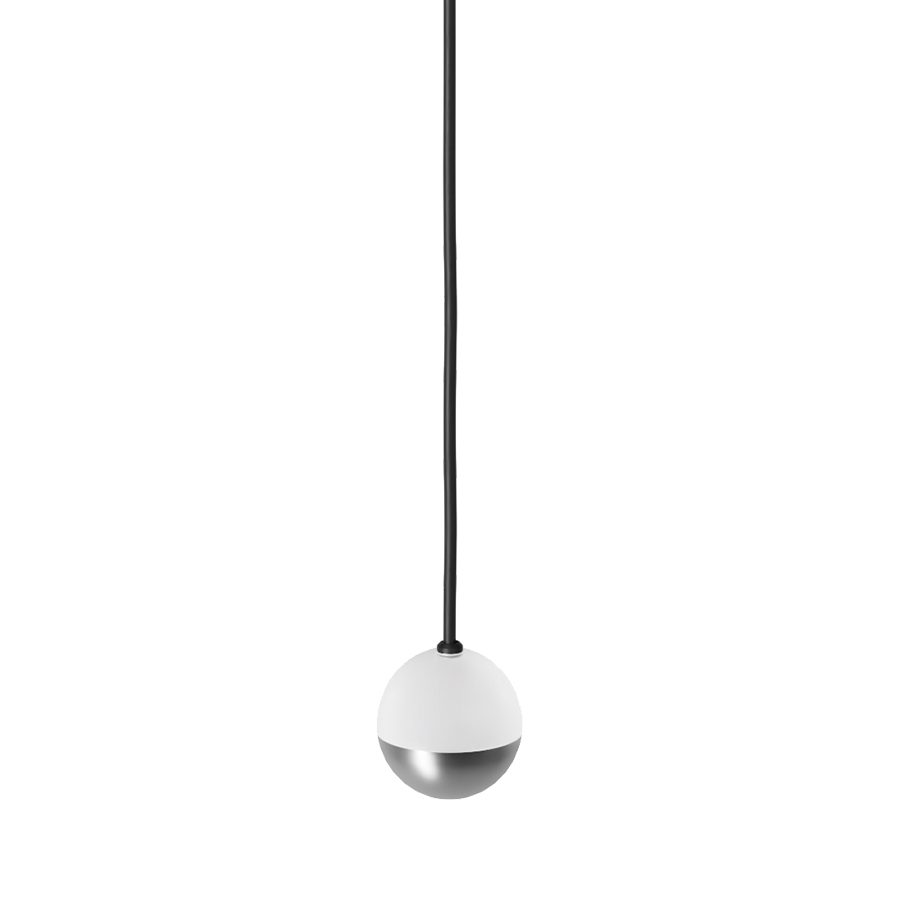
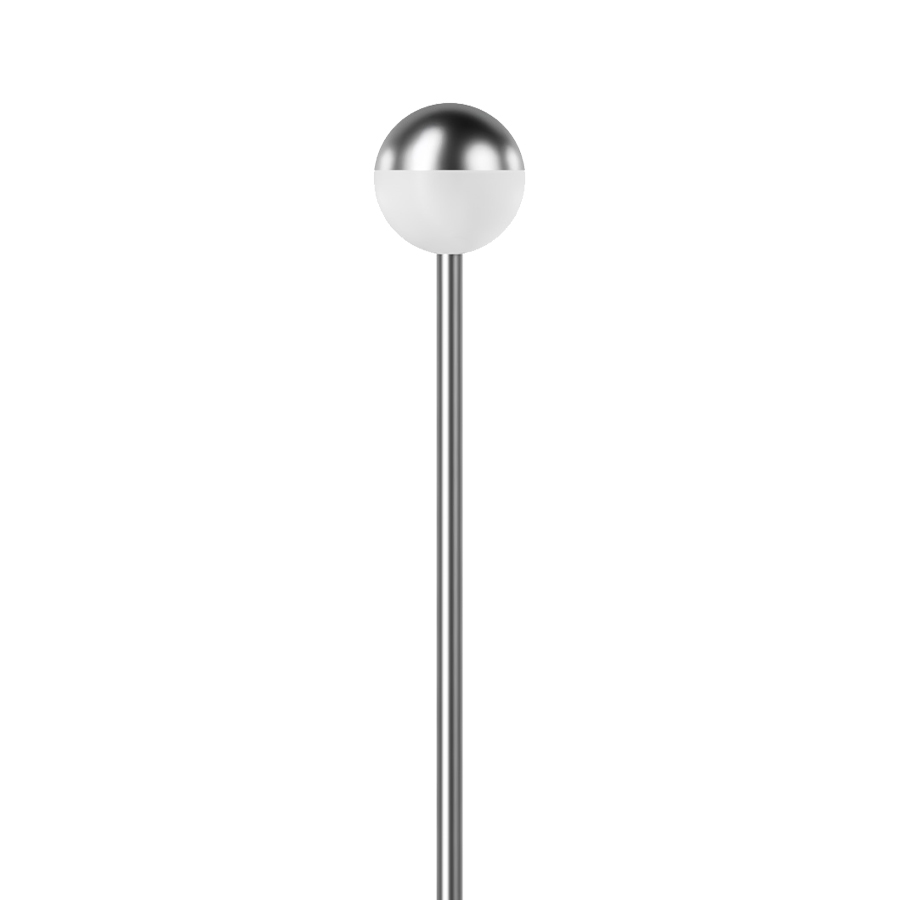
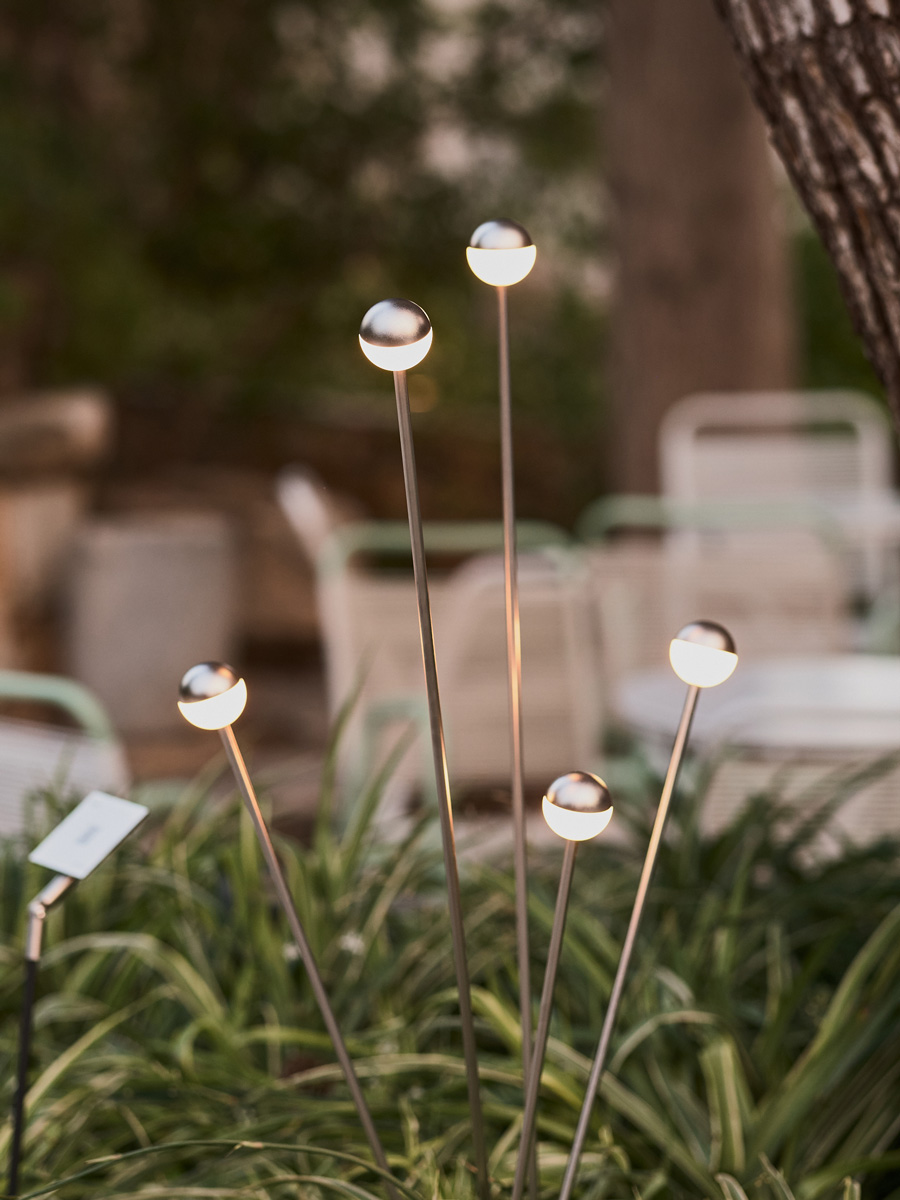
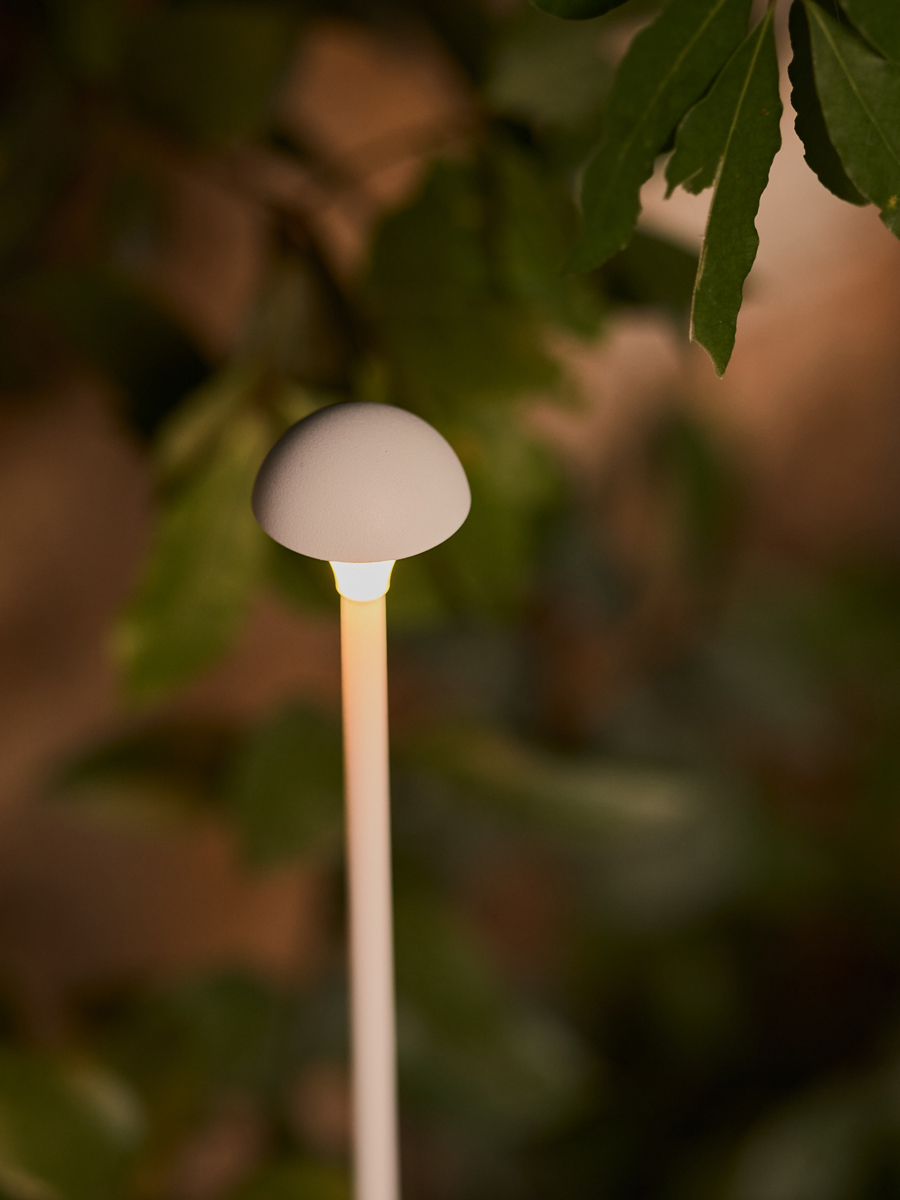
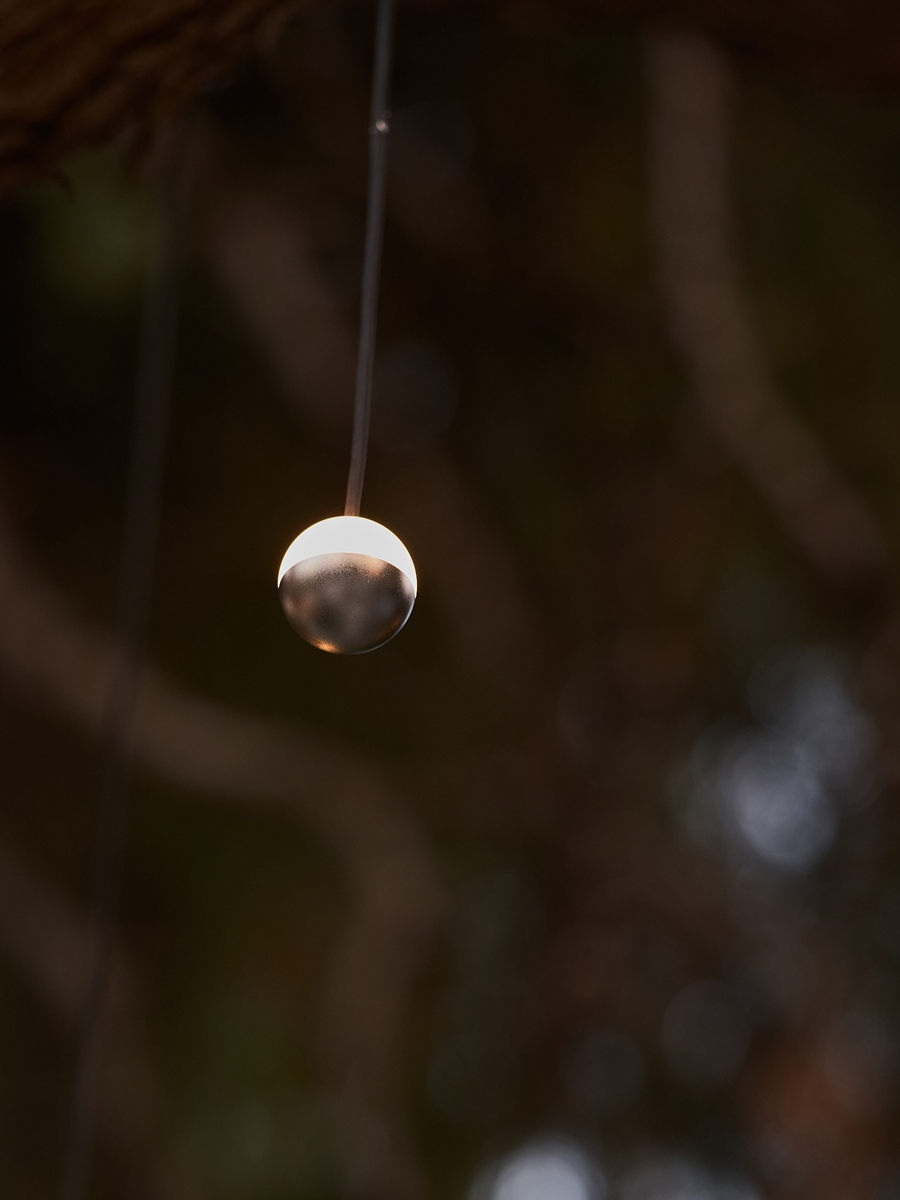
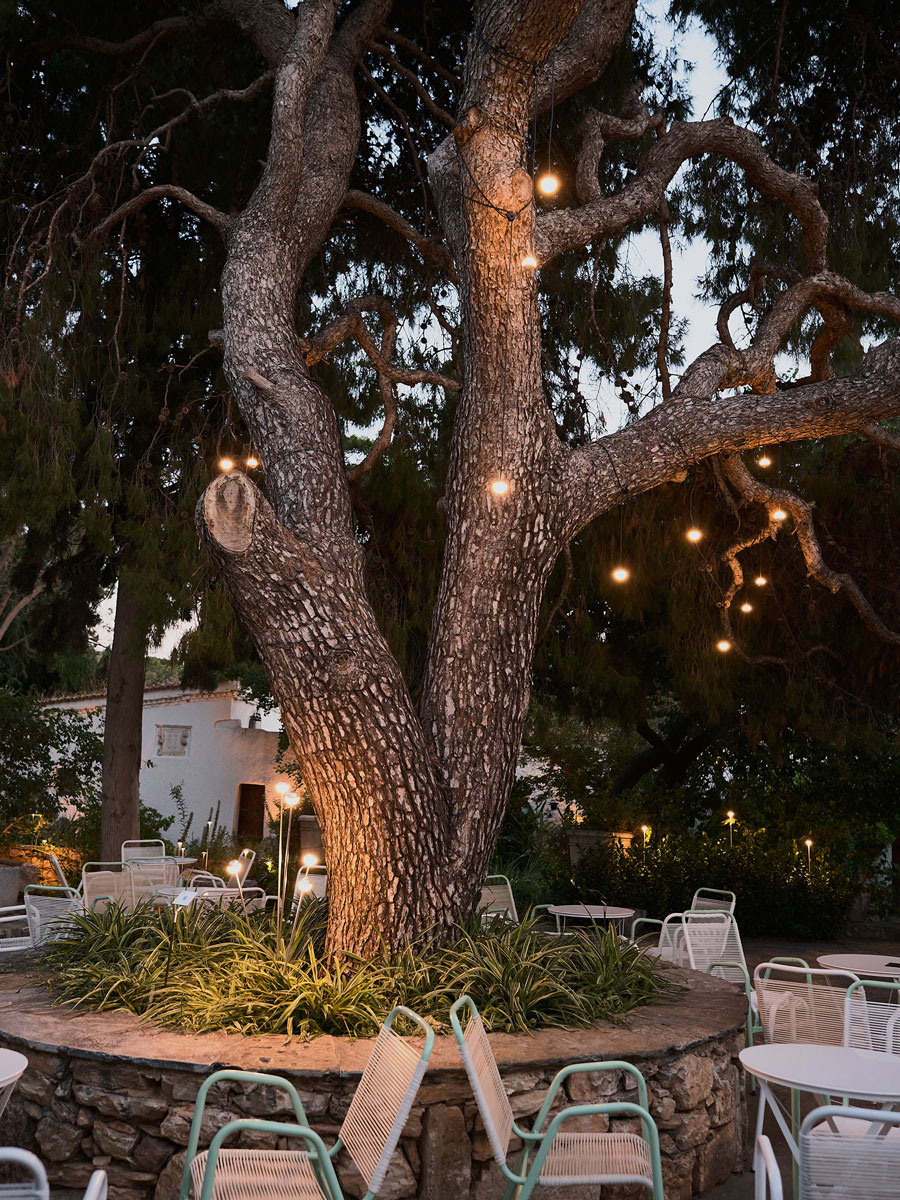
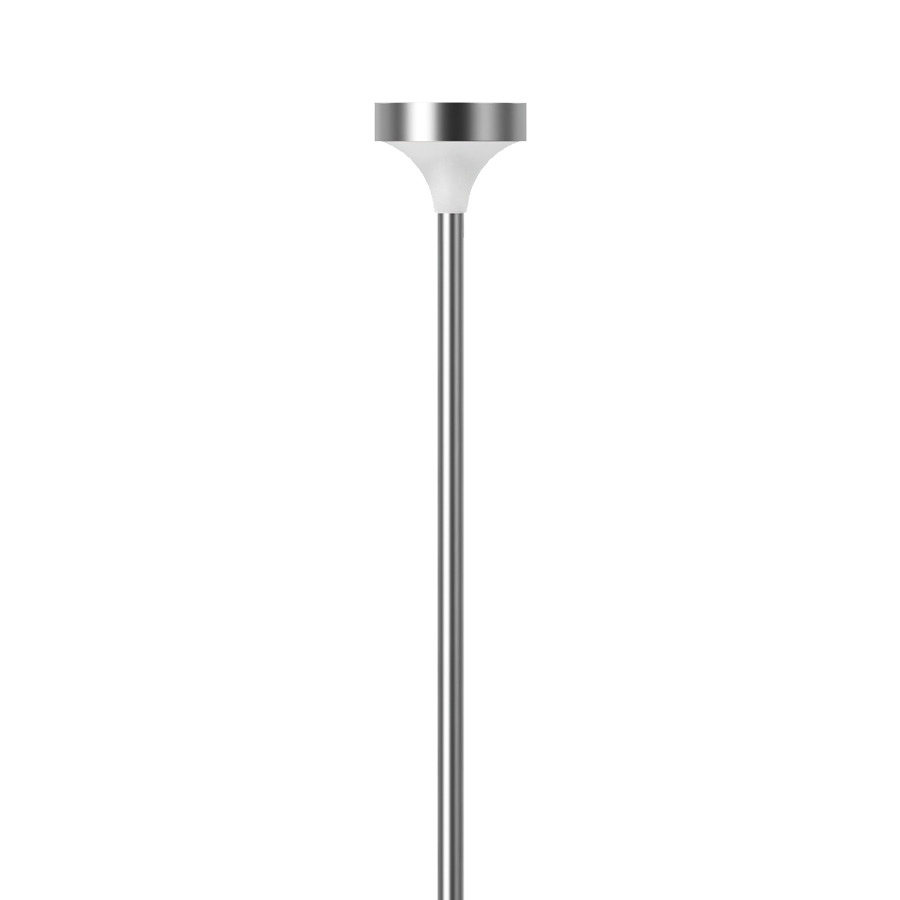
DoReMi fixtures installed in the flowerbed around the large tree at the centre of the gardens and DoReMi S suspended between its branches transformed the surrounding space into a natural meeting point. Light enveloped the vegetation from multiple directions, creating a luminous composition that invited guests to stop, talk and share experiences.
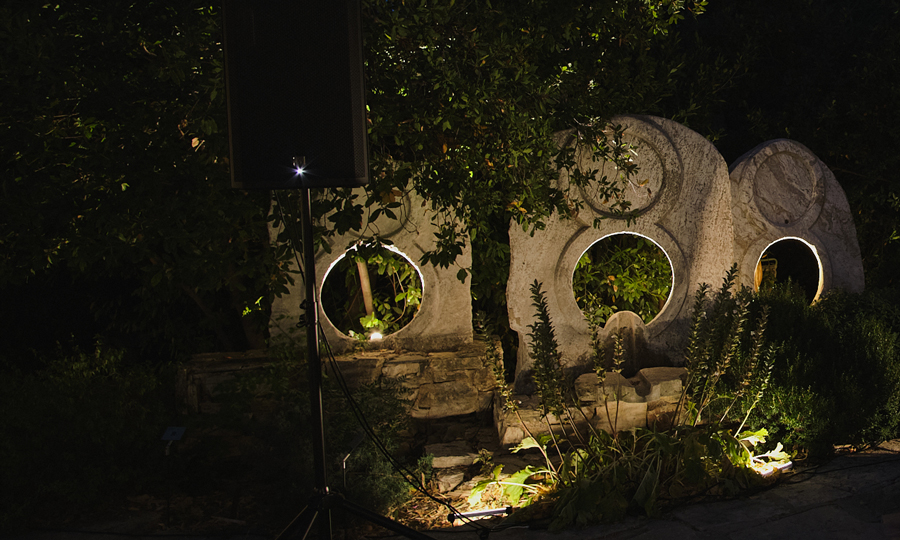
In the inner courtyard, among the chairs and tables, three stone stelae softly emerged from the shadows. Diffuse Trevi 1.1 profiles lit their fronts, while Lyss Mini 1.0 outlined their central openings from behind.
A pair of Ginko 3.0 with 2° optics, secured to the branches of a maritime pine with purpose-designed tree belts, highlighted the white stone friezes on the opposite wall.
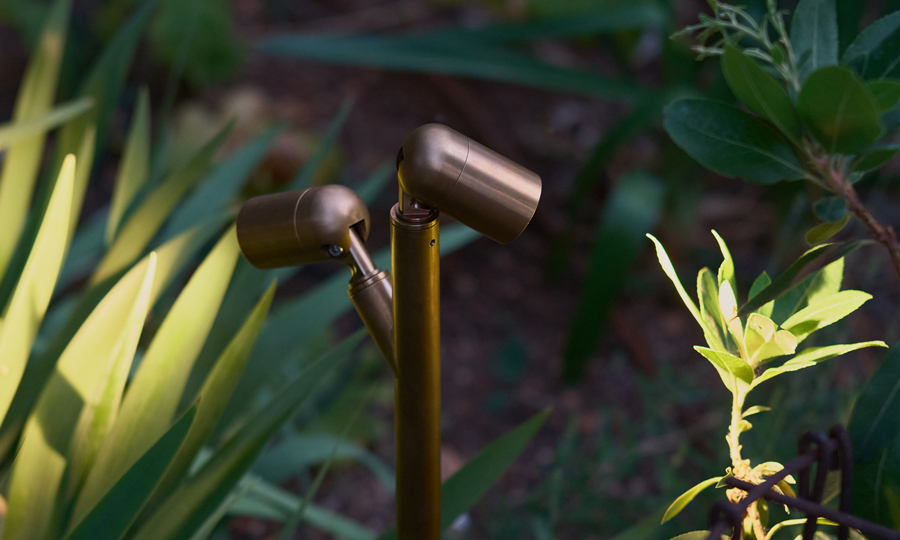
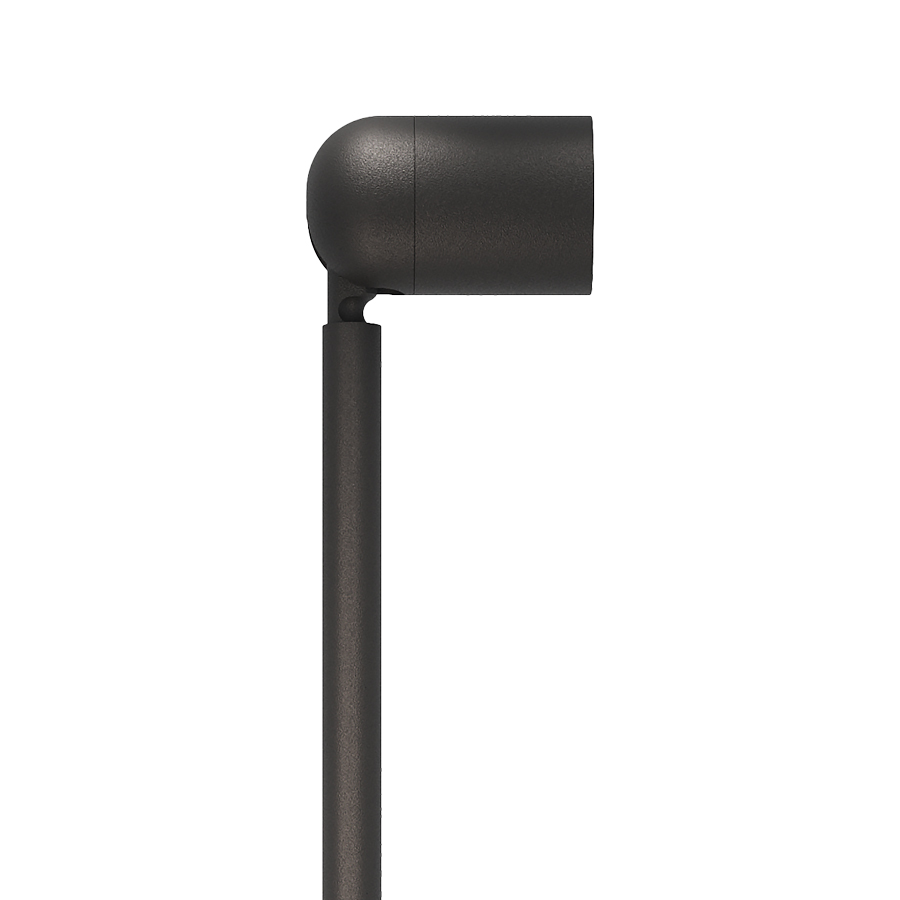
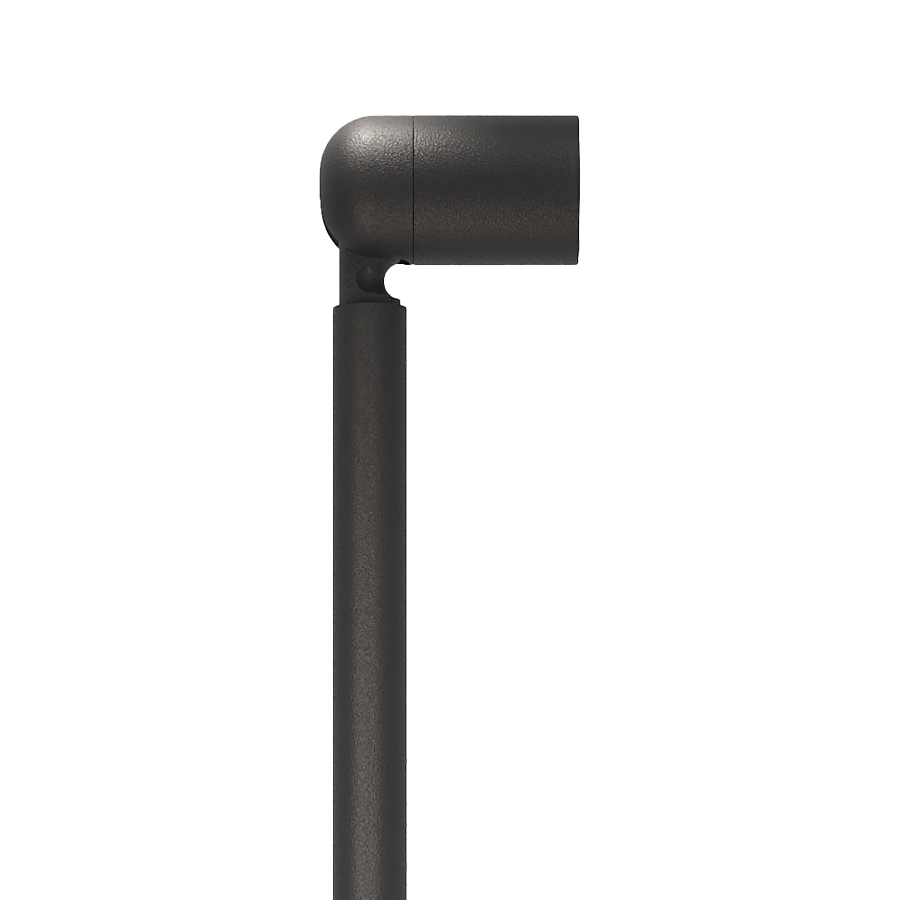
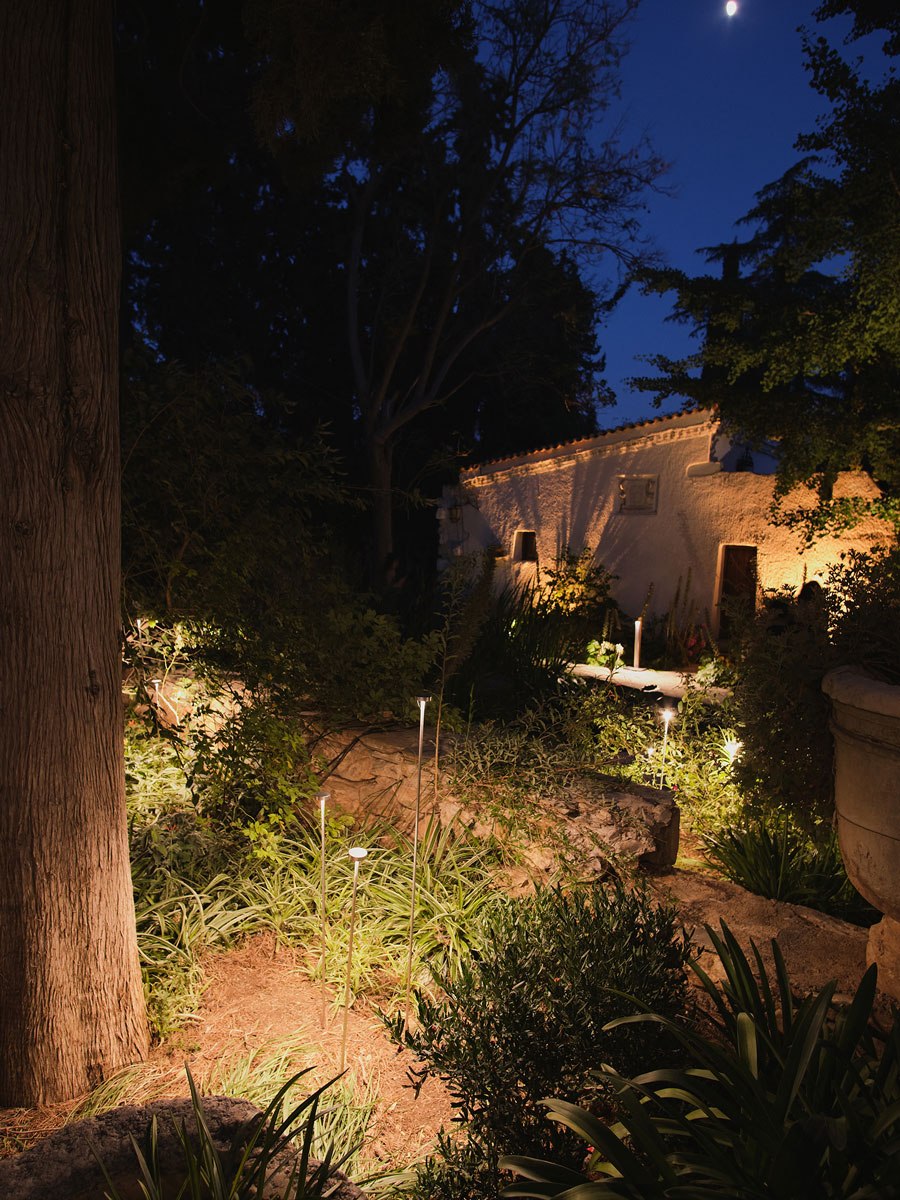
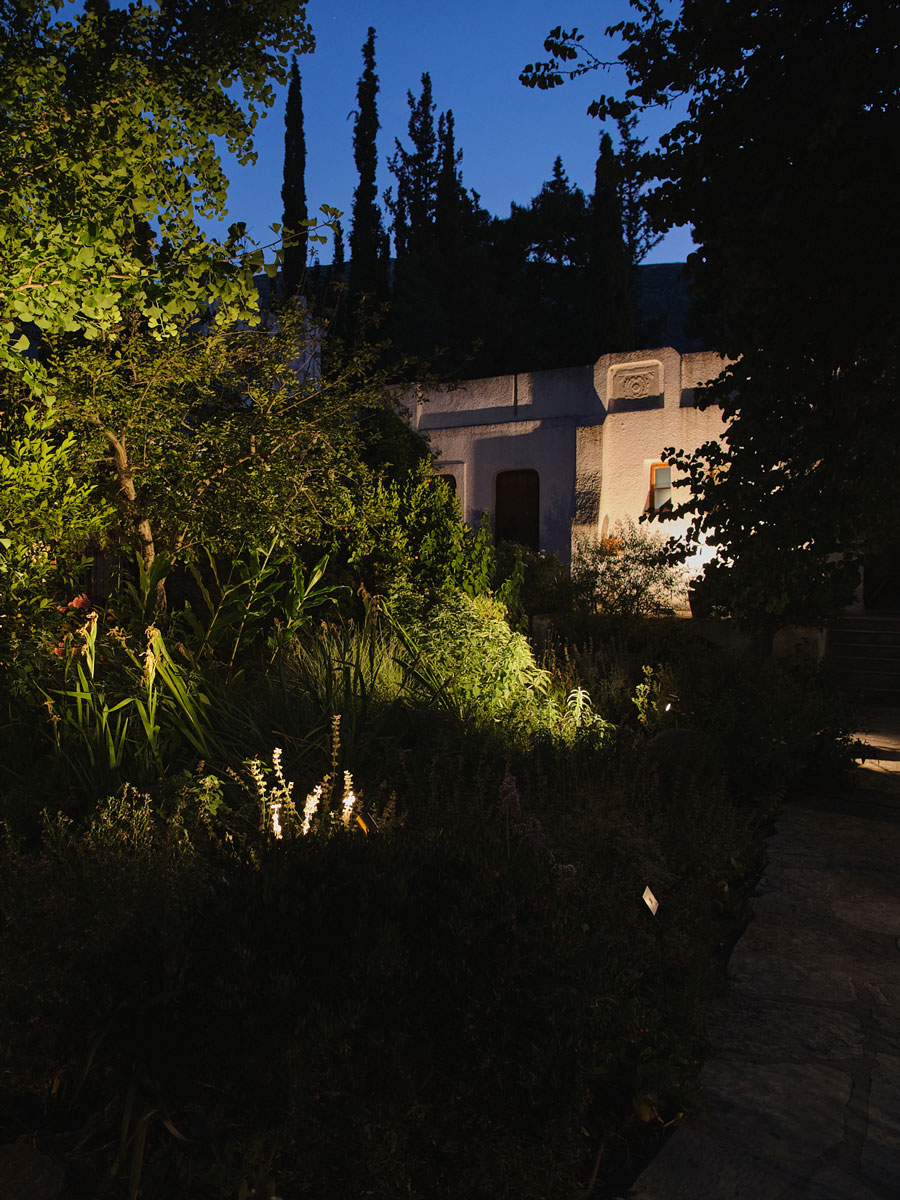
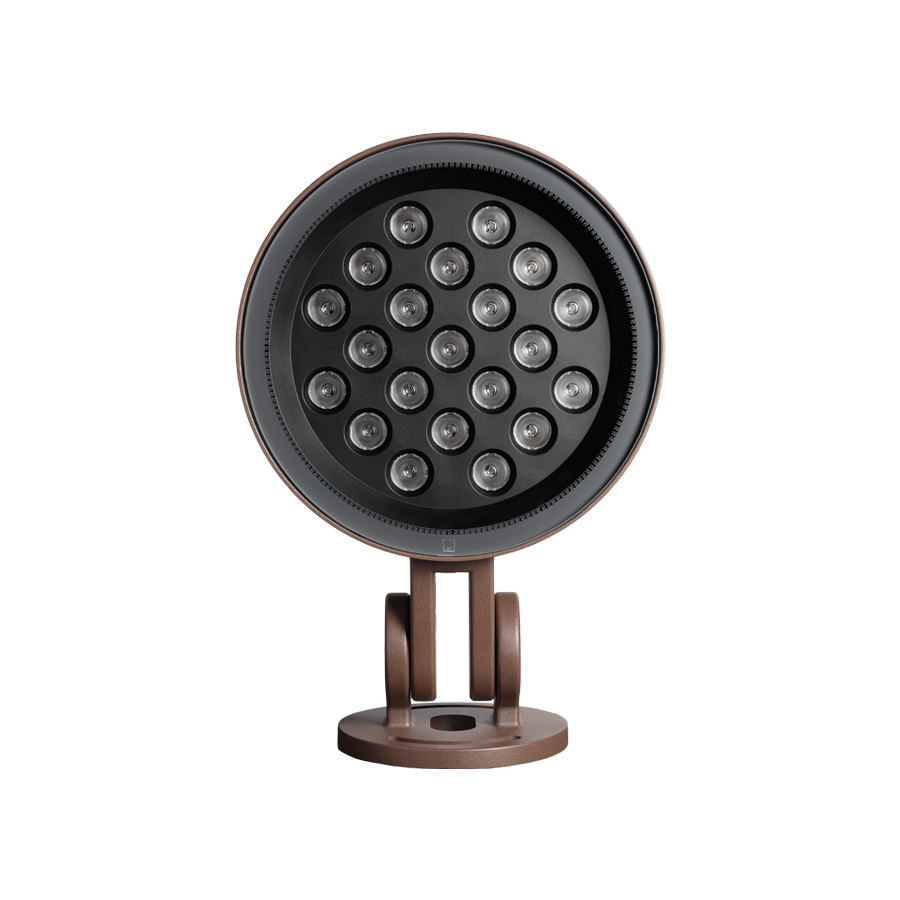
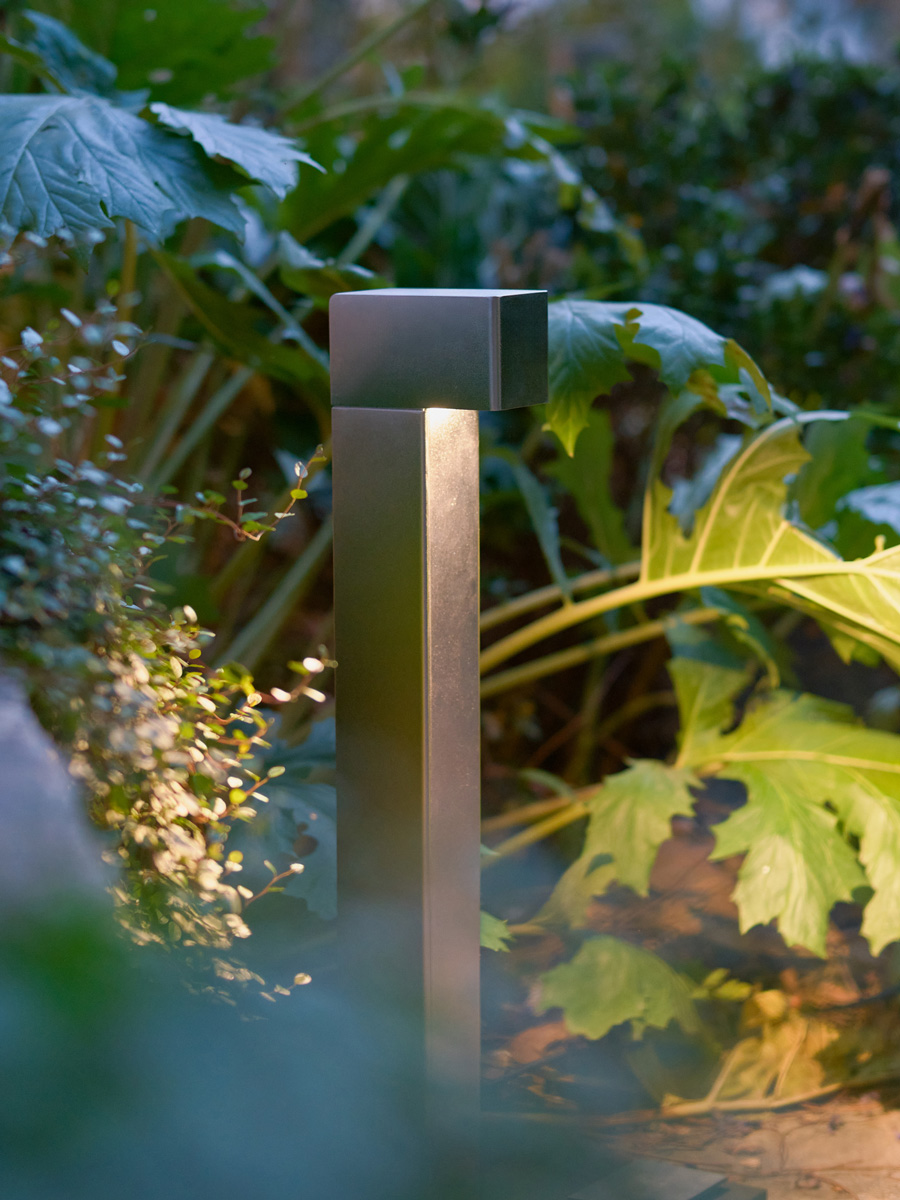
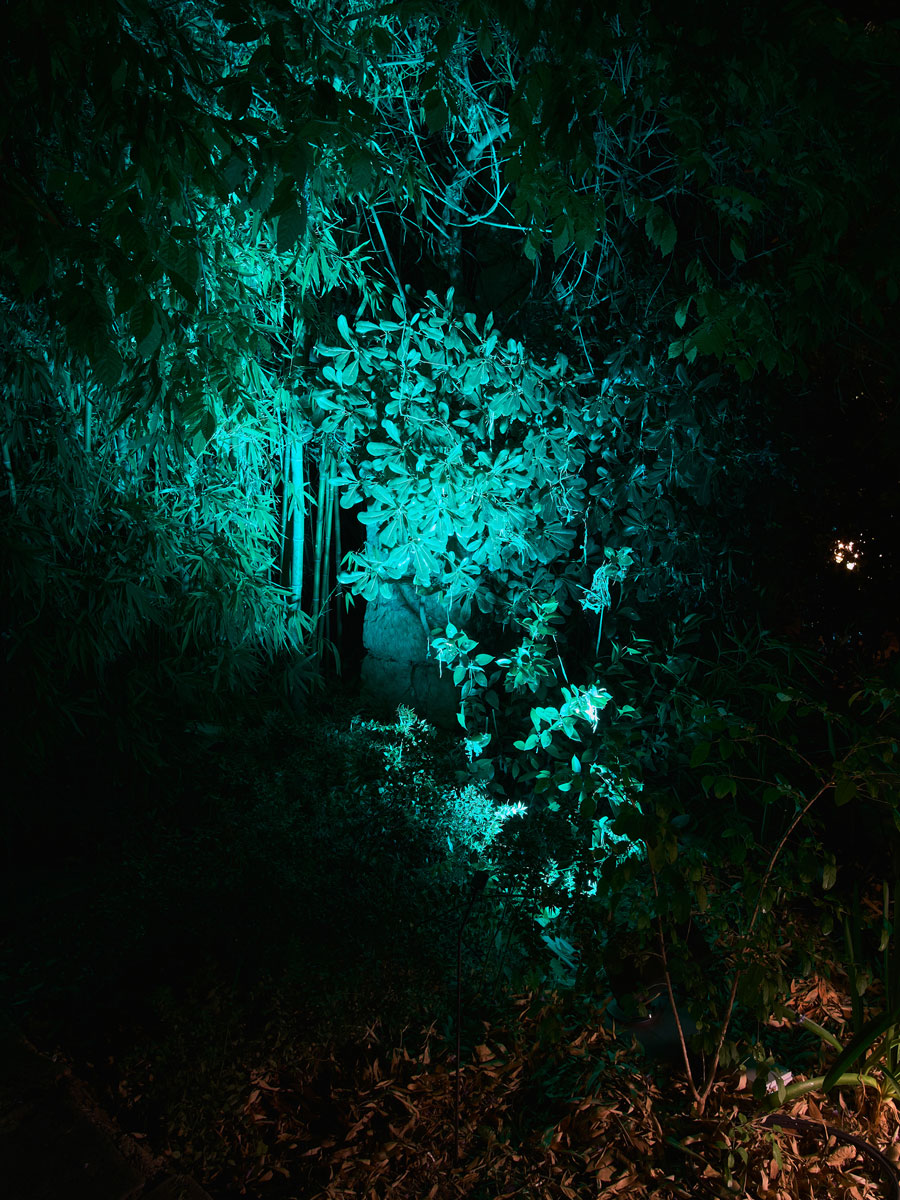
Along the park’s paths, brass Pivot B 1.9 and Pivot B 2.9 projectors picked out Mediterranean shrubs and pathways with precise accents.
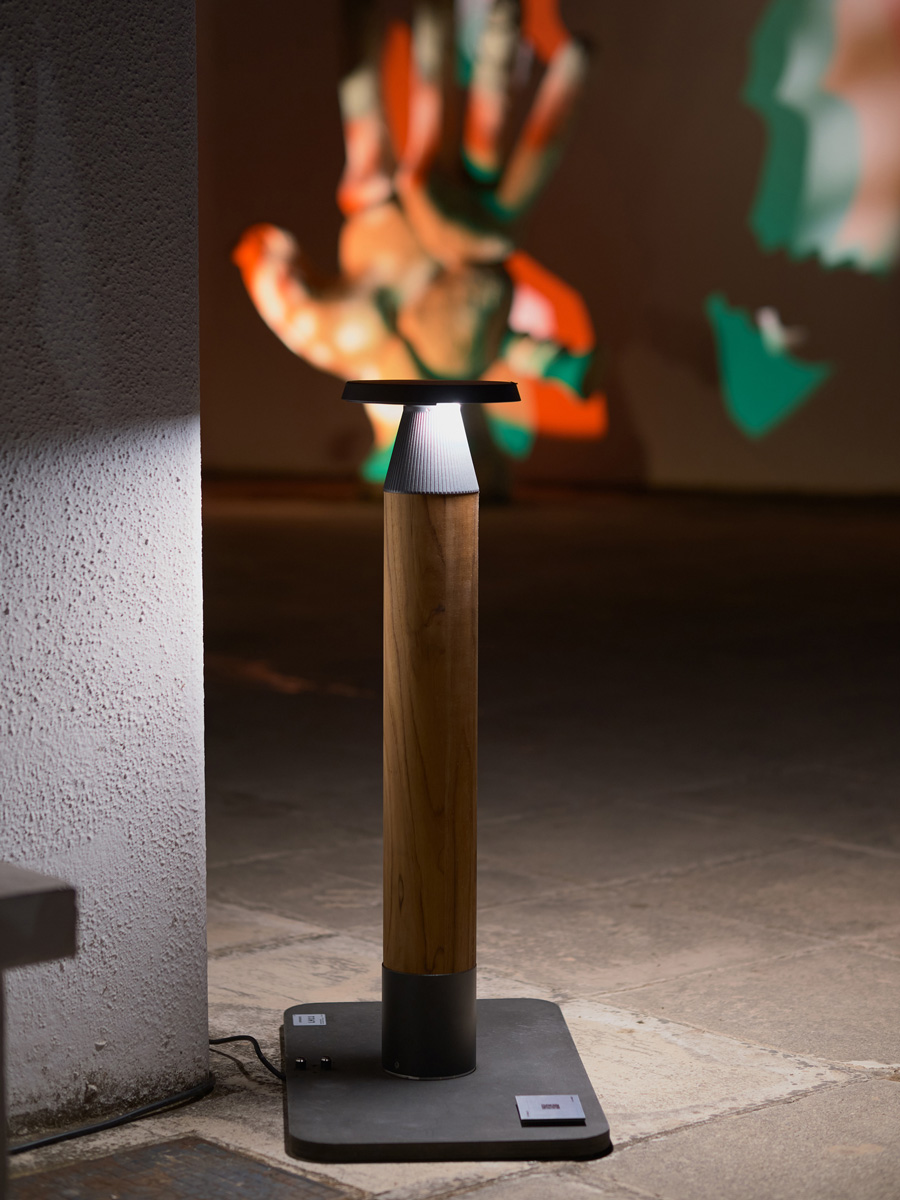
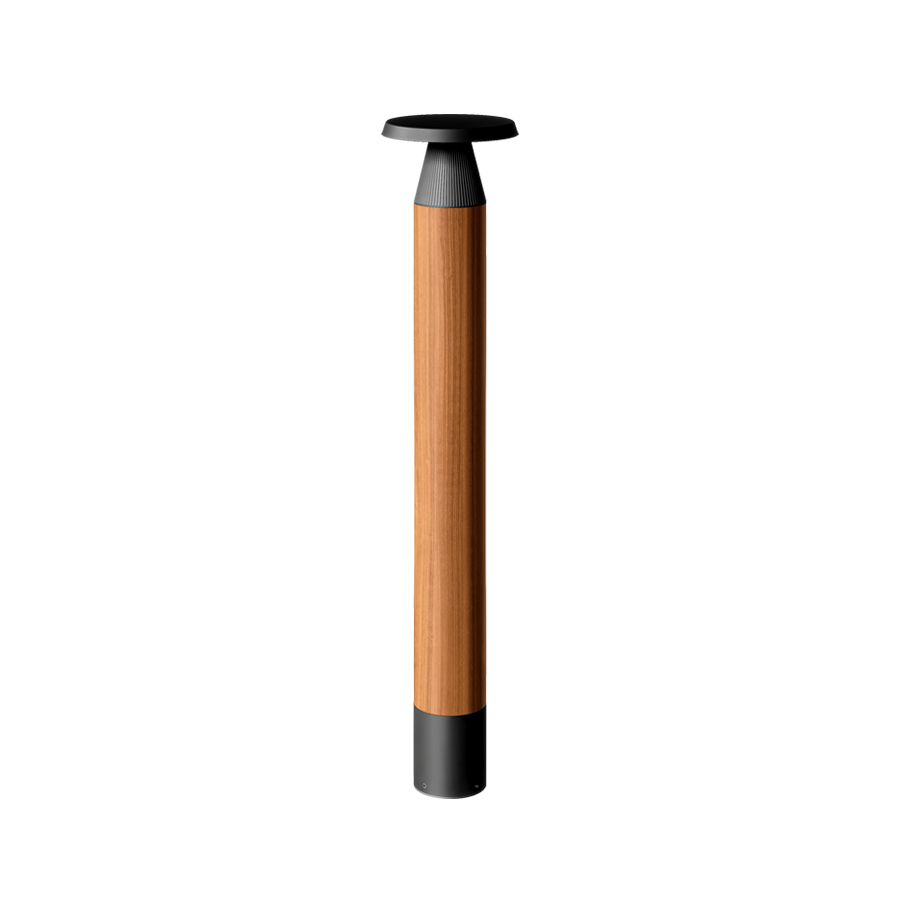
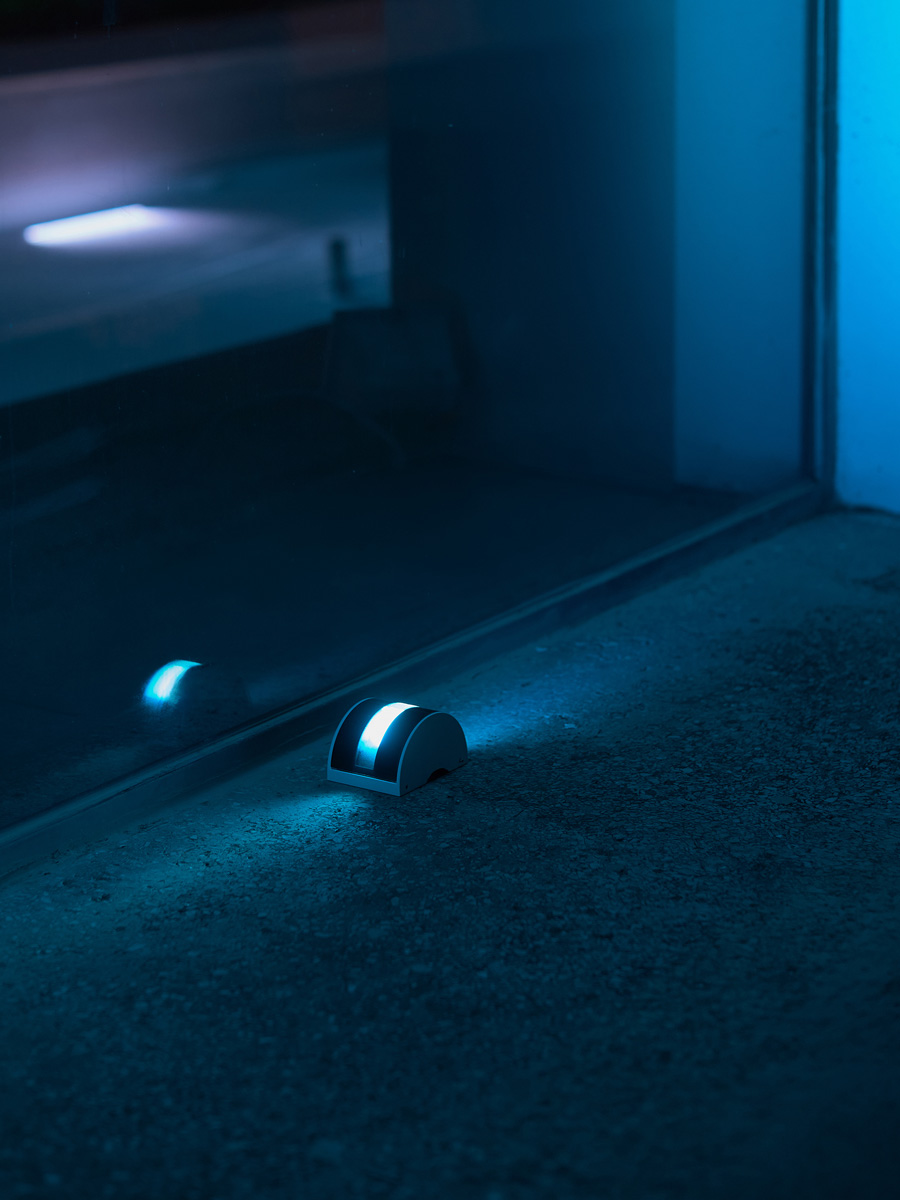
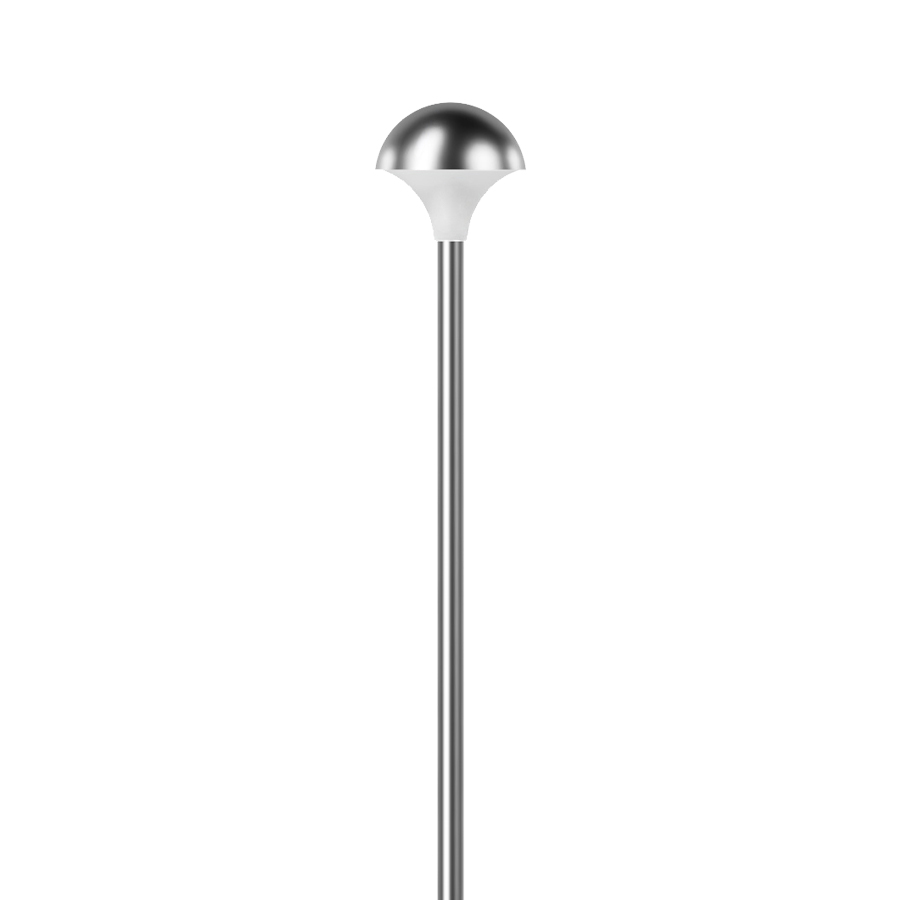
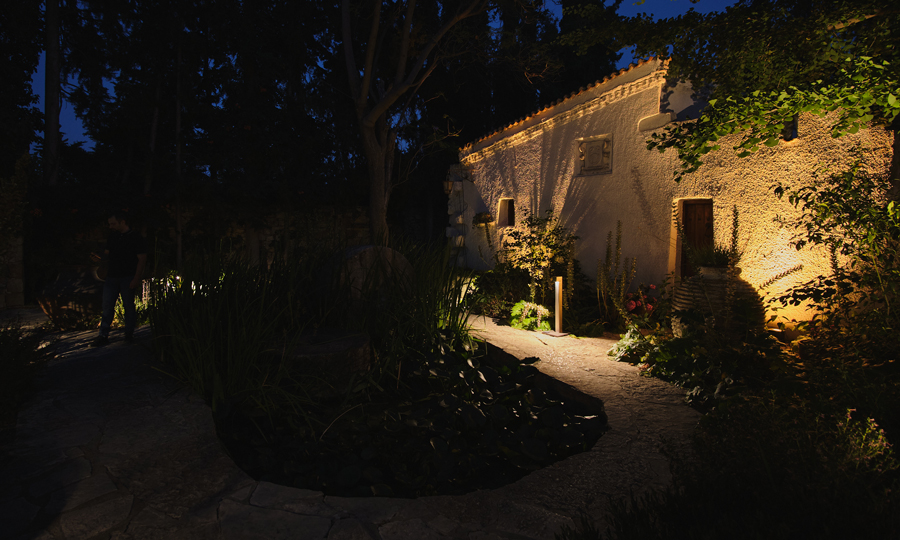
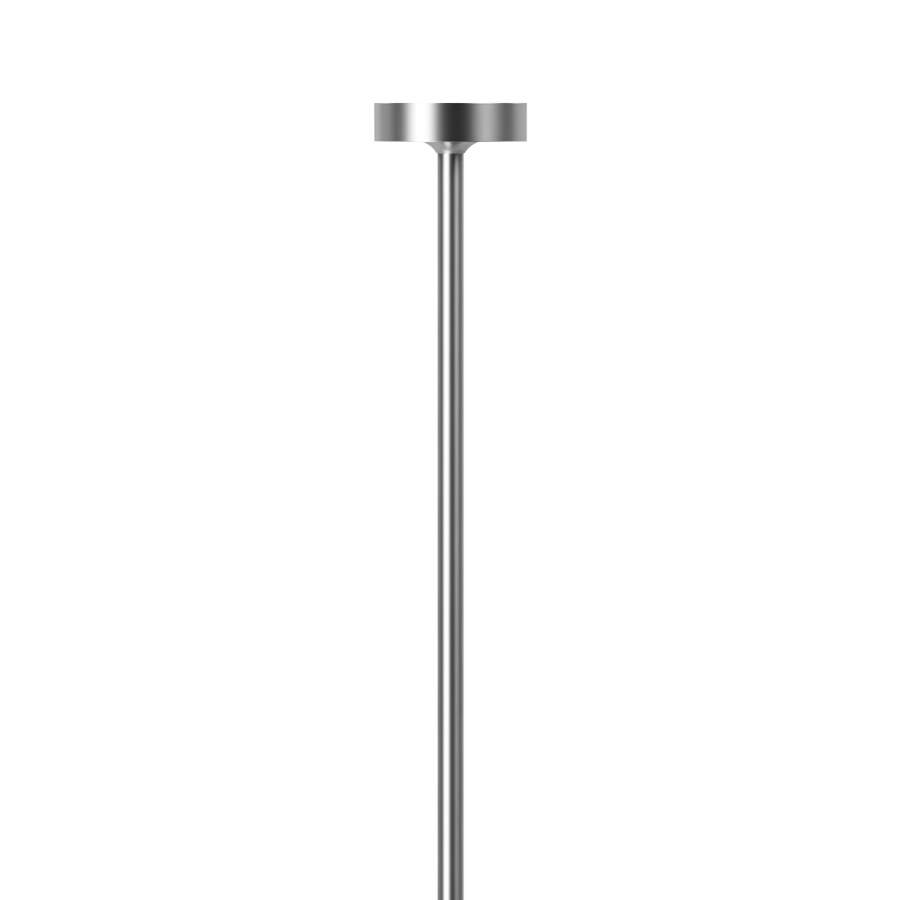
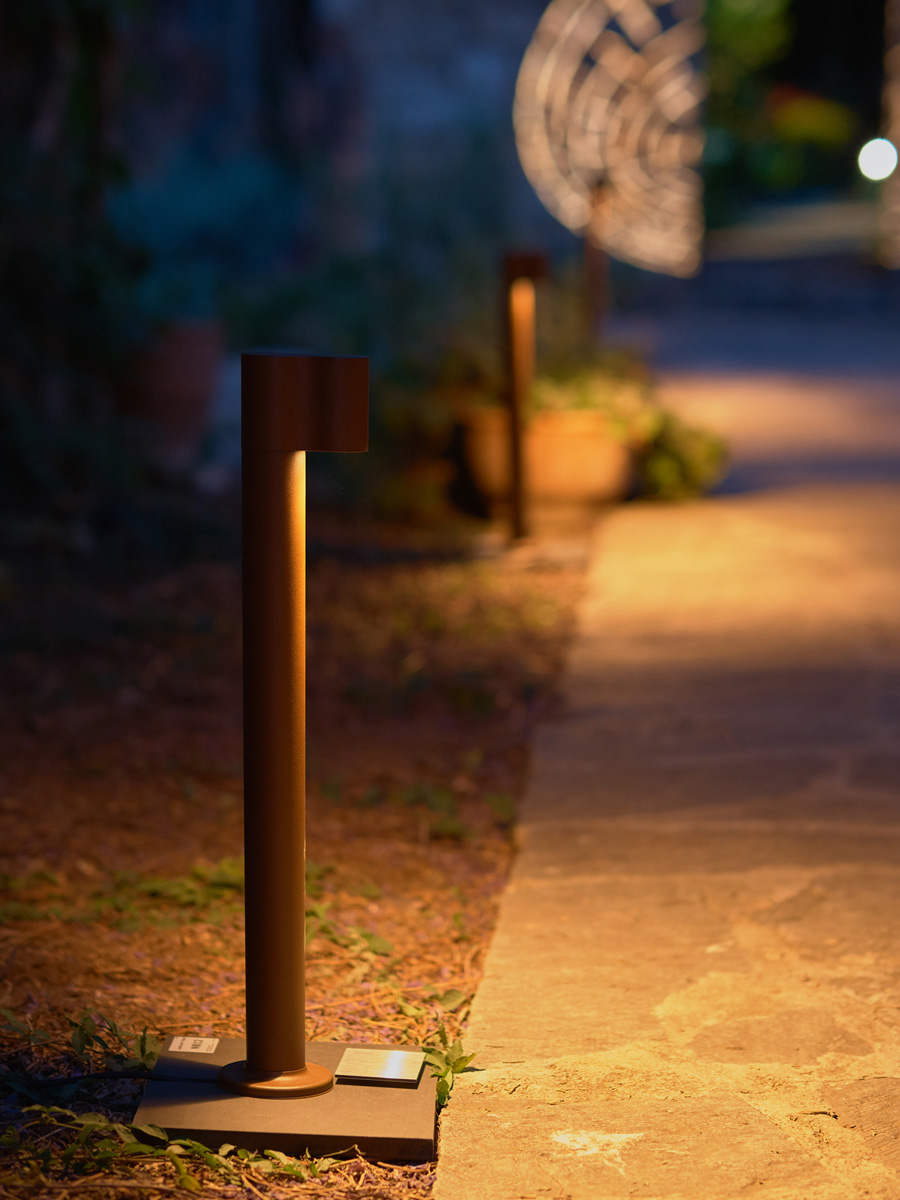
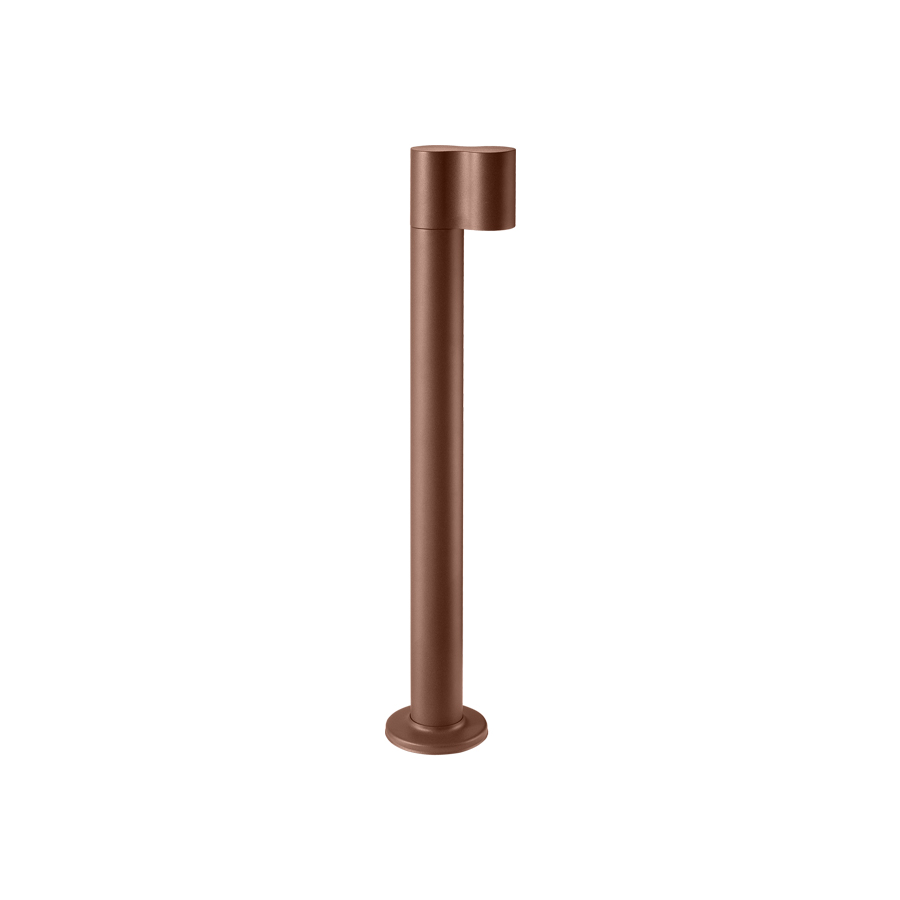
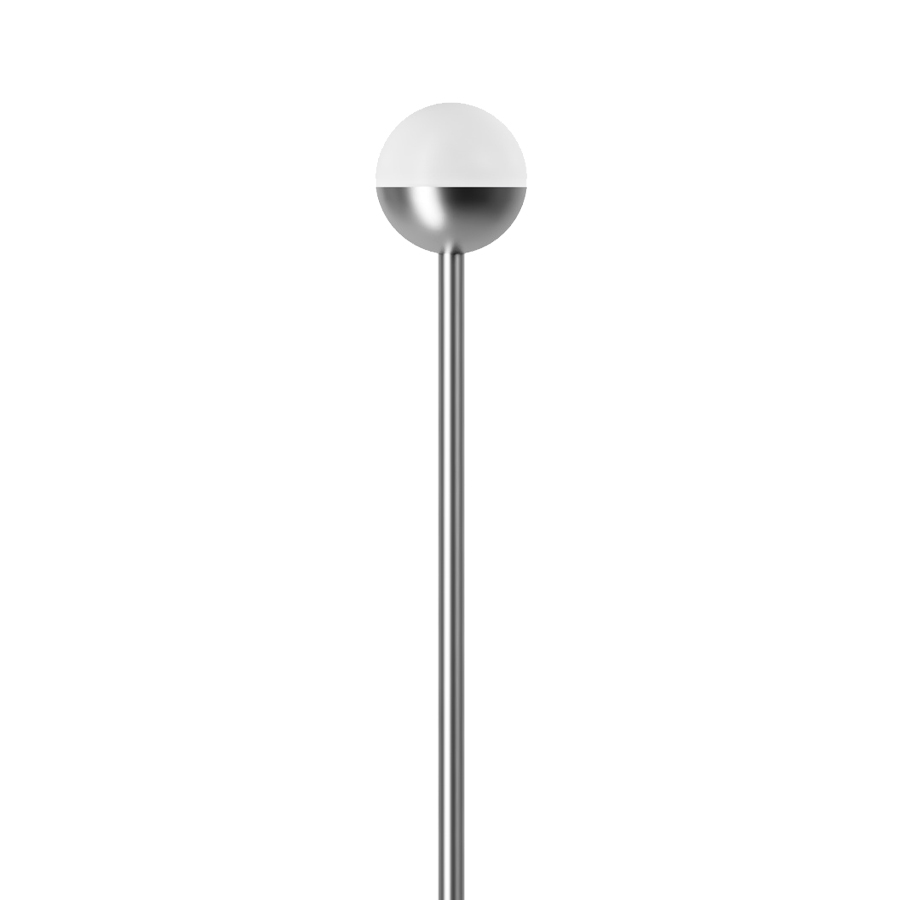
At the same time, the new Maris B bollards in stainless steel ensured a continuous guide along the path by the pond.
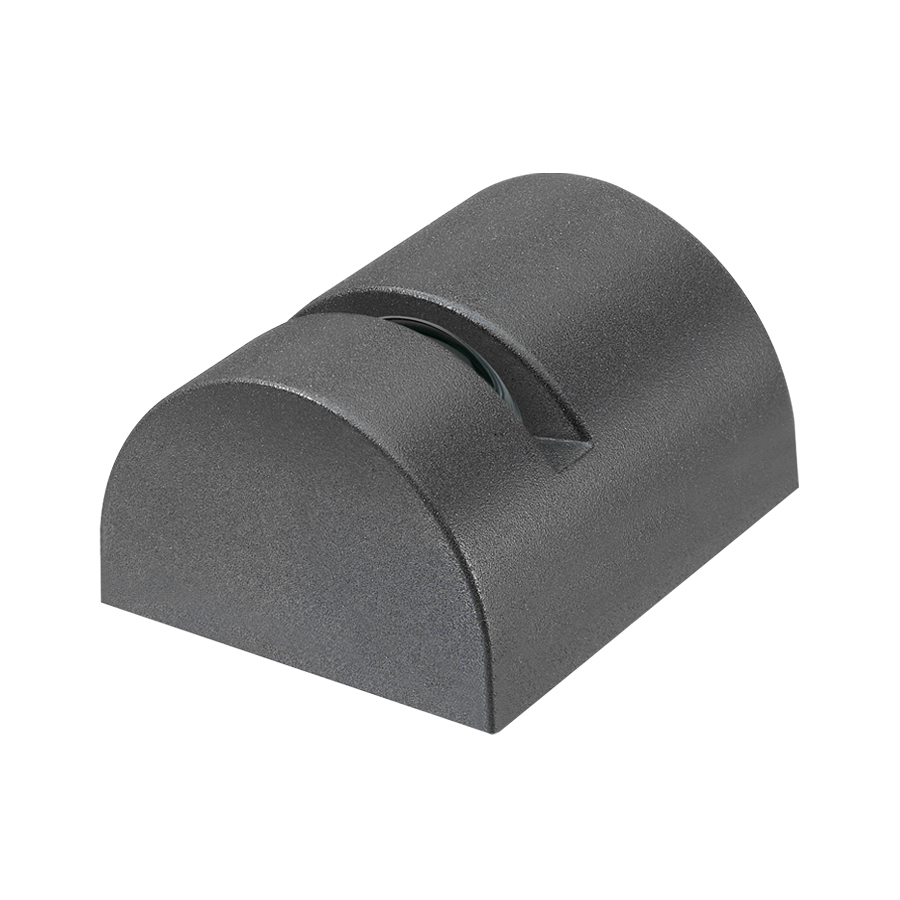
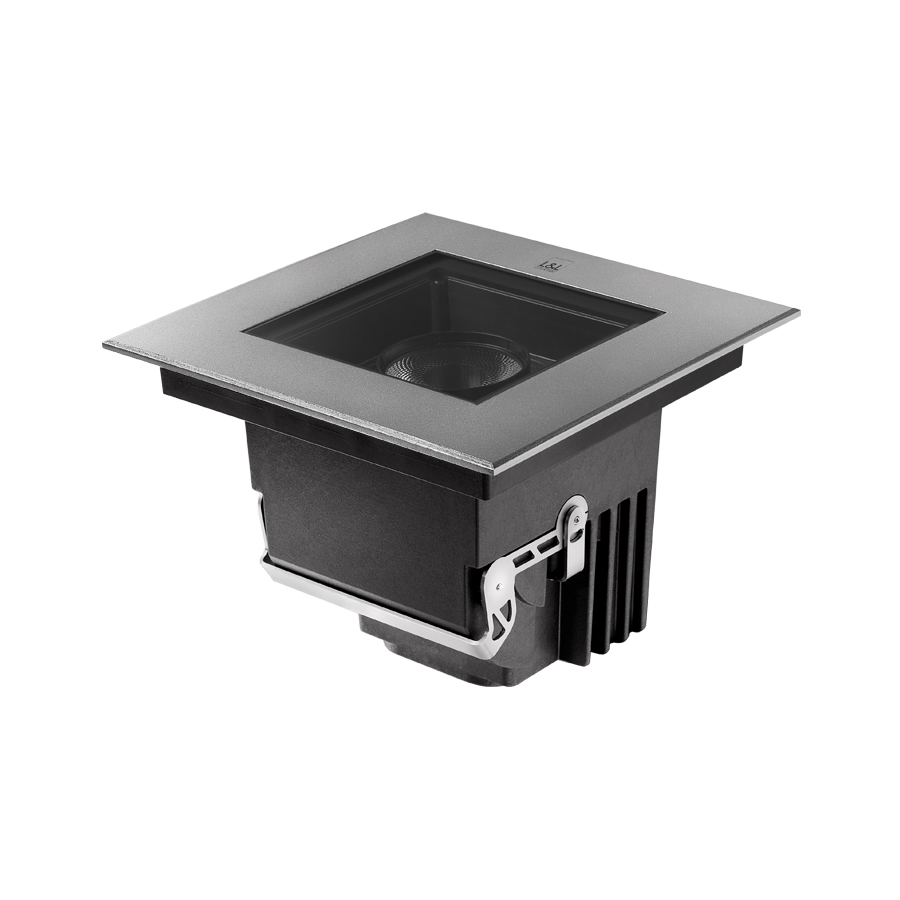
Completing the night-time landscape, Quilatero 3.4 tiltable recessed fixtures with elliptical optics cast a soft, grazing light across the textured white walls in the background, revealing their irregular grain.
When light becomes play
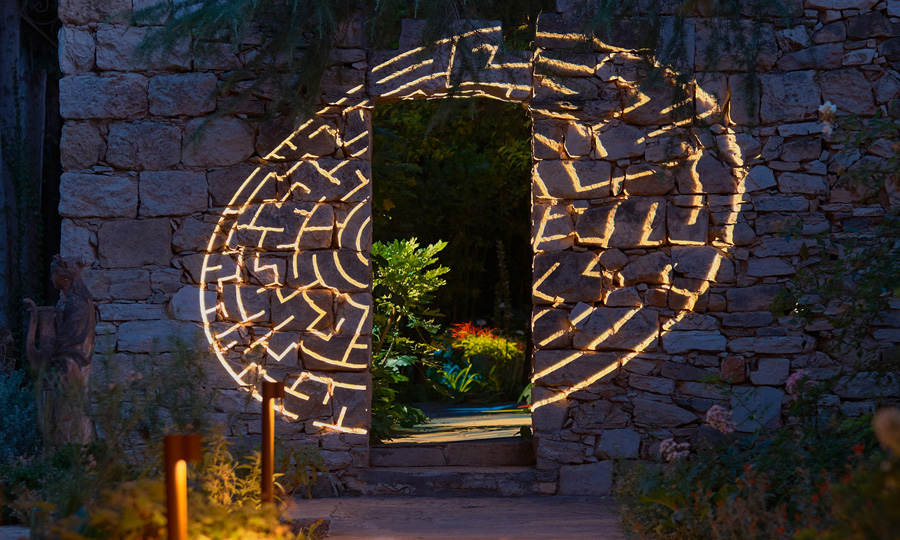
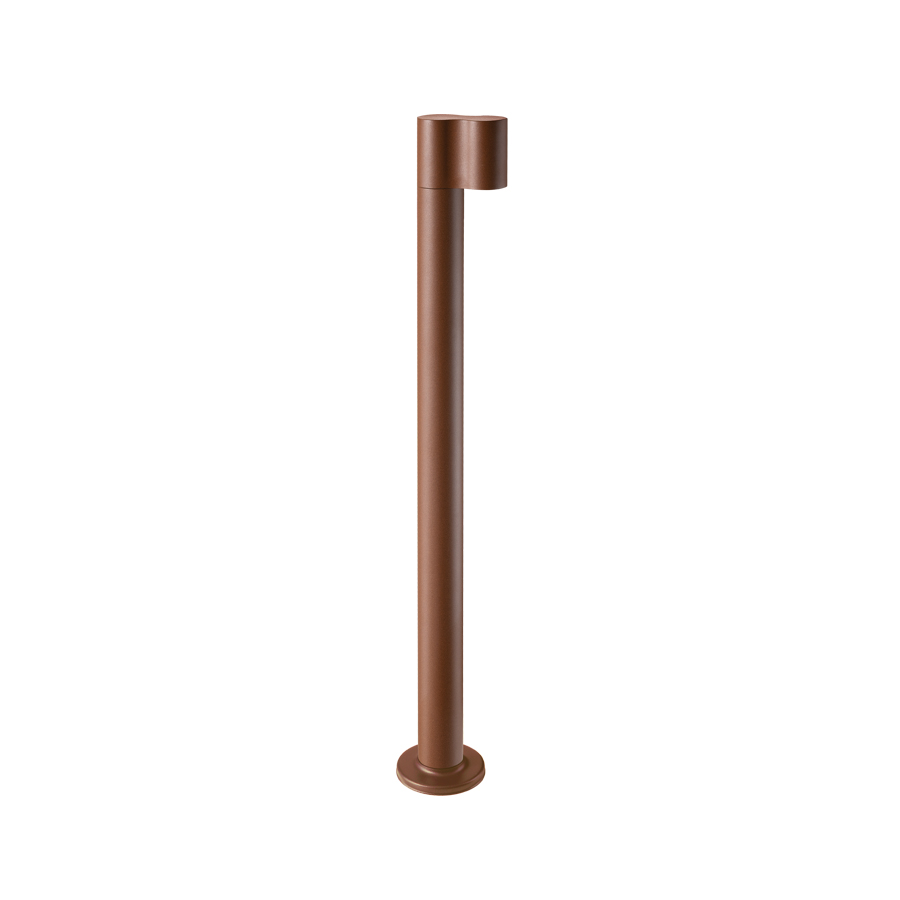
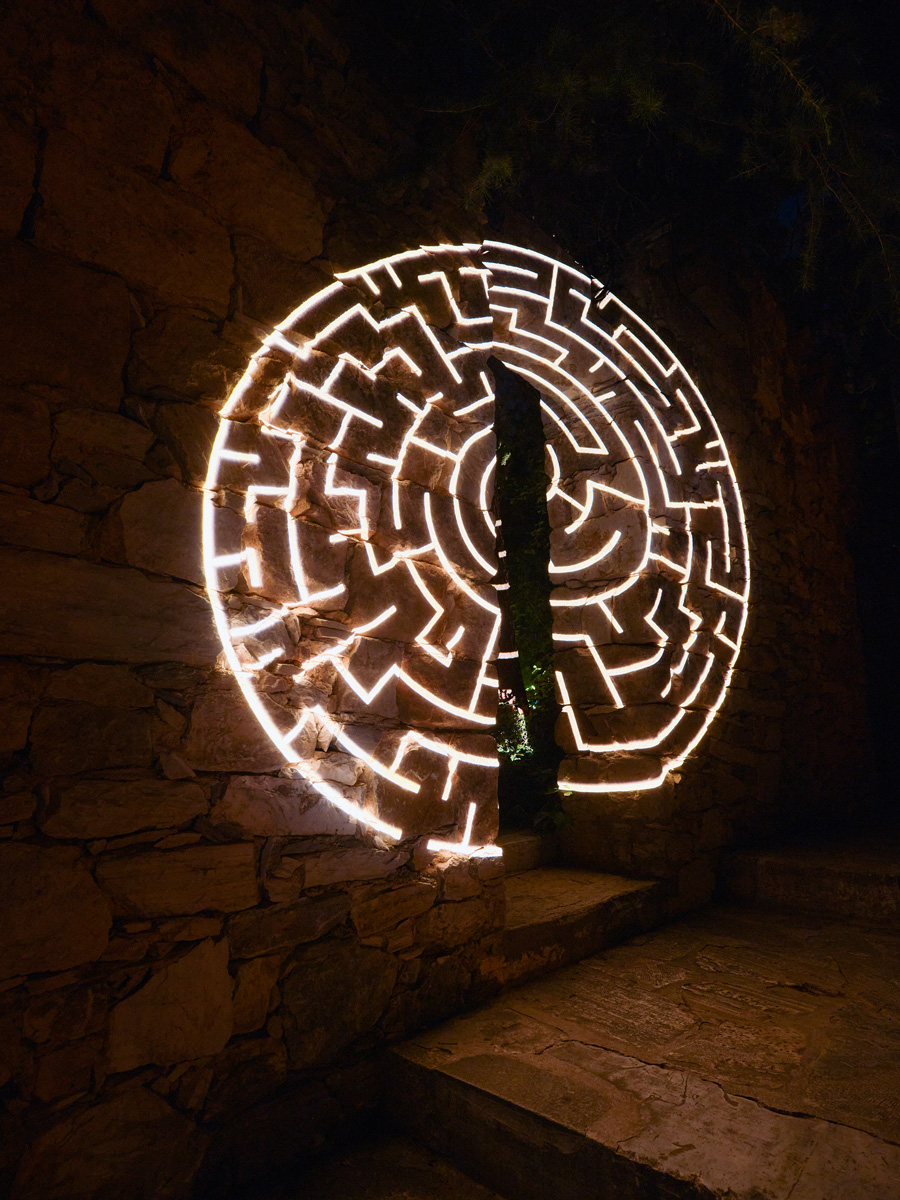
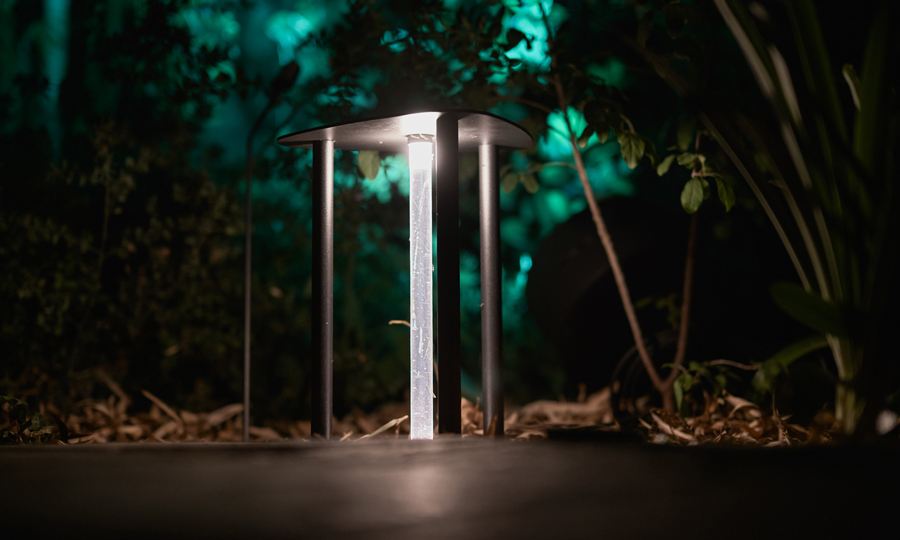
Continuing the journey, a pathway lit by Intono B bollards with 2200K light guided visitors towards a wall that appeared to conceal a passageway. A Ginko 4.5 Light Shaper projected a large, light-filled labyrinth onto the wall, at whose centre a door opened, transforming a simple architectural surface into an invitation to discover the “secret garden”.
Passing through the doorway, visitors entered the Playing Yard, a space where light adopted yet another language. Having conversed first with architecture and then with the landscape, it now directly engaged the guests, transforming their visit into one of hands-on discovery, play and participation.
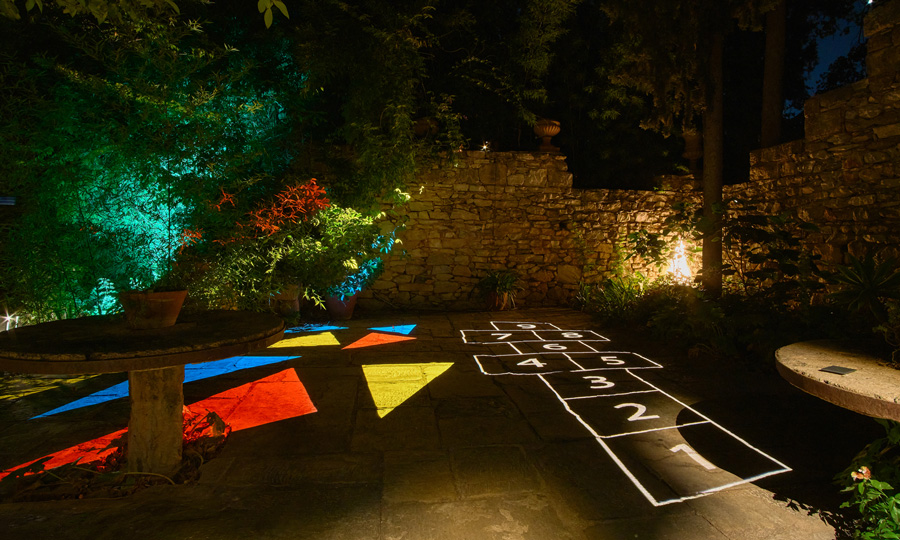
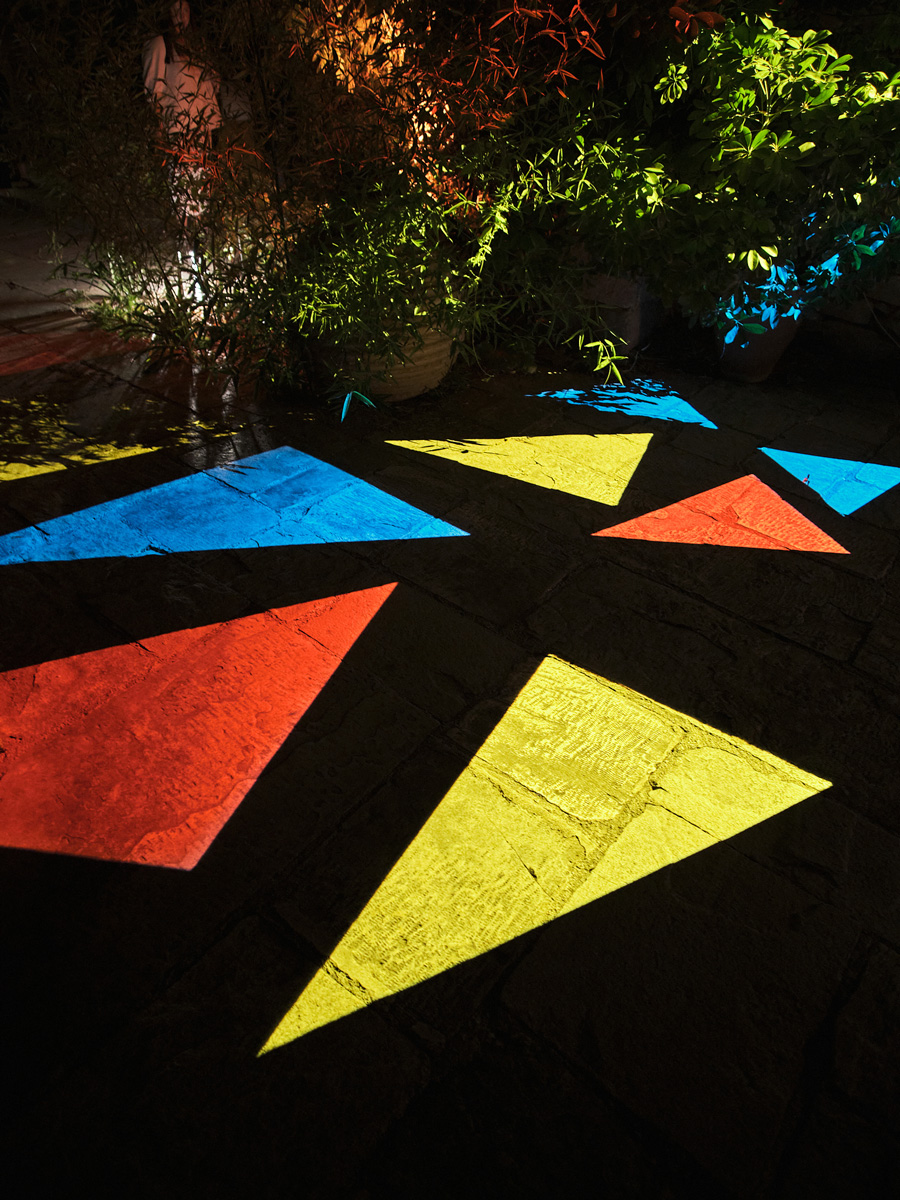
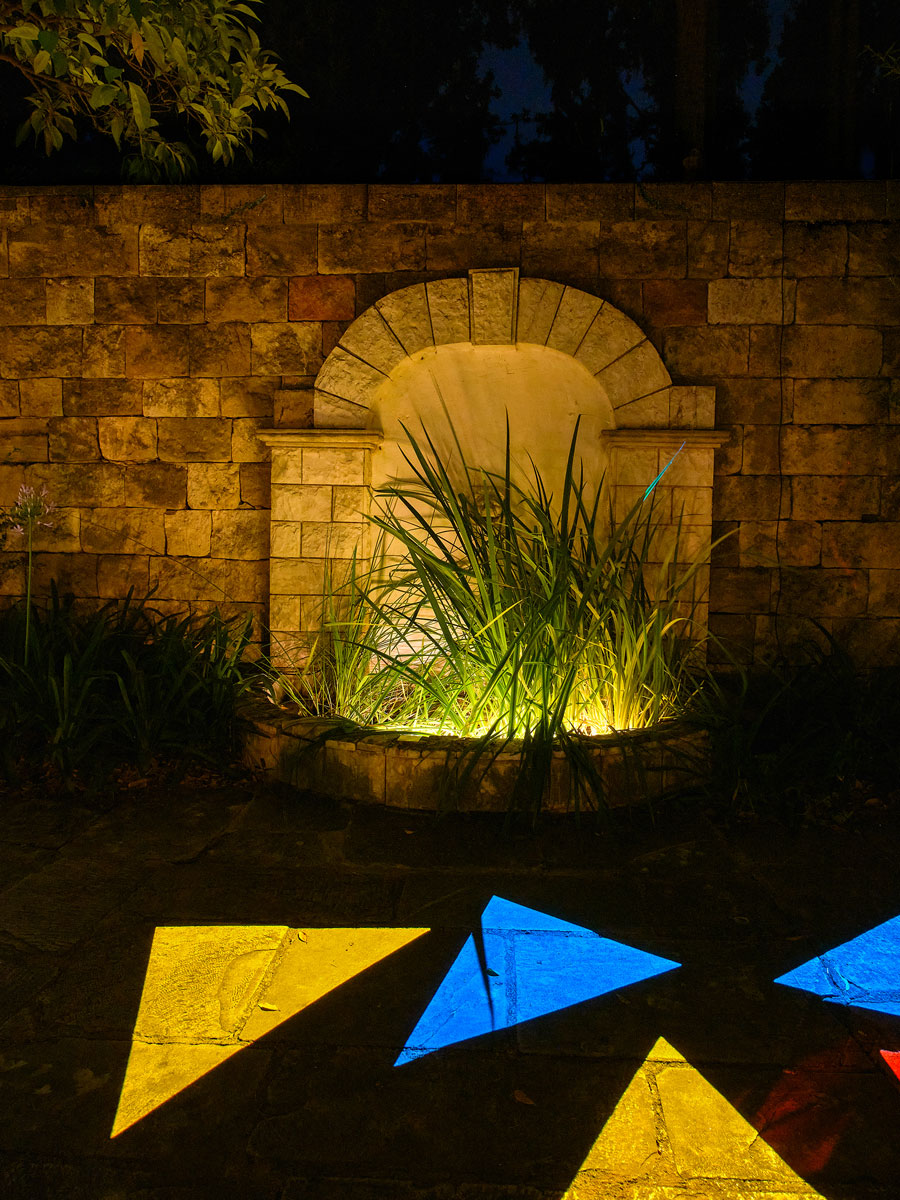
A series of Ginko 4.5 projectors fitted with customized Light Shapers and gobos brought the paving to life with interactive projections. Coloured triangles, hopscotch, a chessboard and circular graphic compositions invited visitors to move, play and become part of the installation itself. Light stopped being simply something to observe and became something to experience, transforming every movement into an interaction with the space.
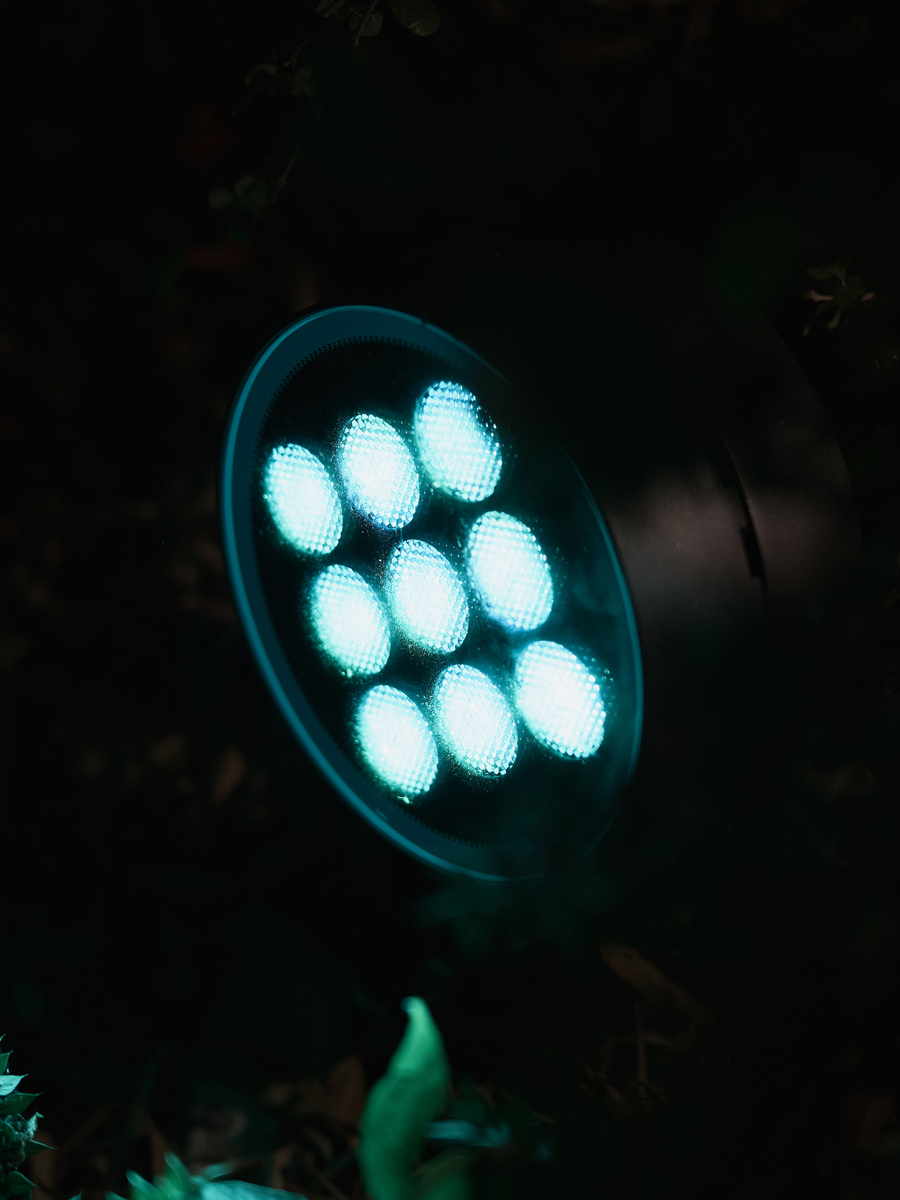
Completing the scene, Trevi 1.1 profiles with diffuse light, positioned among the aquatic planting and logs resting against the pool walls, revealed more of the landscape’s details. In the reed bed, a powerful Oliver 2.3 RGBW projector introduced an unexpected splash of colour, guiding visitors along the route with colourful accents that made the space feel dynamic and engaging.


Cortile d'Onore courtyard, University of Milan, Milan, Italy
Milan, Italy
 All projects
 All articles